Content Repurposing Strategy: 7 Proven Methods to Maximize Your Content ROI
Content Creation
Quick Summary
Content repurposing means turning one piece of content into multiple formats for various platforms and audiences. It helps you get more reach, save time, and increase ROI without starting from scratch. In this guide, you’ll learn seven proven strategies, step-by-step workflows, and automation tools to build a scalable content repurposing system that works across every channel.
Is Creating Fresh Content Every Day Burning You Out?
Constantly creating new content can feel like a treadmill you can’t step off. You spend hours brainstorming, scripting, editing, and posting, only for your work to disappear in feeds within days.
Many creators focus on chasing algorithms and overlook the value of what they’ve already made. Podcasts, blog posts, YouTube videos, webinars, and even LinkedIn updates can all be repurposed into fresh, high-performing content for new audiences.
You don’t need more content; you need a smarter system. In this Klap guide, we’ll show you how to build a content repurposing strategy that scales your reach and saves time without burning out your creative energy.
But first…
Why Listen to Us?
At Klap, we’ve helped over 1.7 million creators generate 3.3 million clips from their long-form content. Every day, our AI analyzes videos to identify the most engaging moments and transform them into platform-ready shorts. Our insights are based on real user data, revealing what works, what doesn’t, and how automation can enhance content performance. The strategies we share are practical and product-proven steps to make your videos hold attention while producing results.
What Is Content Repurposing?
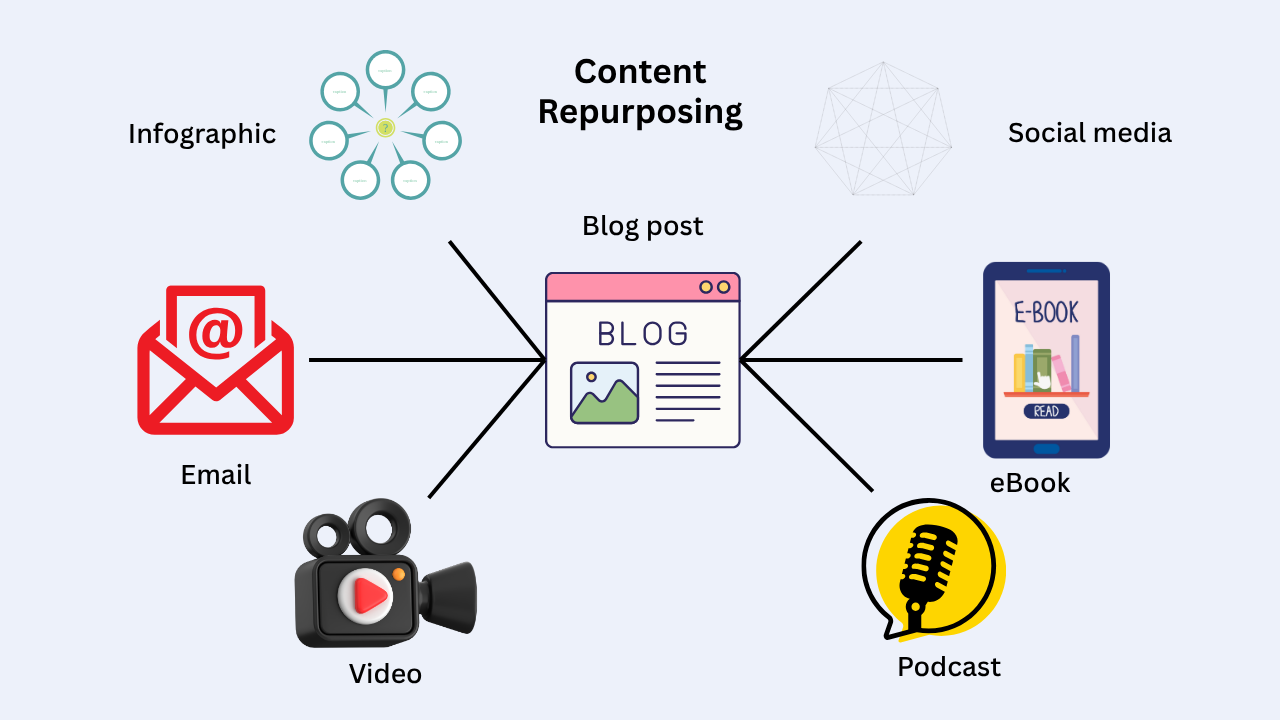
Content repurposing means taking existing content and turning it into new formats or angles for different audiences and platforms. It’s not about copying, it’s about adapting your message to fit how each platform works and how its users engage.
For example, one 30-minute podcast can become 10 TikTok clips, 5 LinkedIn posts, 3 blog articles, and an email series. Each piece serves a unique purpose and connects with people in different ways.
The value is clear: create once, distribute everywhere, and keep your content working long after you hit publish.
Why a Good Content Repurposing Strategy Matters
- Work smarter, not harder. Repurposing helps you get more from what’s already working instead of constantly creating from scratch.
- Save time and resources. Turn one idea into multiple pieces that perform across different platforms.
- Reach audiences everywhere. Adapt content for each channel, blogs, TikTok, or podcasts, so it connects in every format.
- Stay consistent. Keep your message and brand identity aligned across all touchpoints.
- Build long-term momentum. Every repurposed piece boosts your authority, visibility, and overall content ROI.
How to Build a Content Repurposing Strategy
1. Define Your Goals and Core Content Pillars
Before repurposing, you need to know what success looks like. Are you aiming for brand awareness, website traffic, lead generation, or social engagement? Your goals determine which platforms matter most and what content types to focus on.
Here’s how to begin;
Identify Your Core Content Pillars
Content pillars are the main topics your brand wants to own. They keep your messaging consistent and make repurposing easier because everything ties back to a central theme.
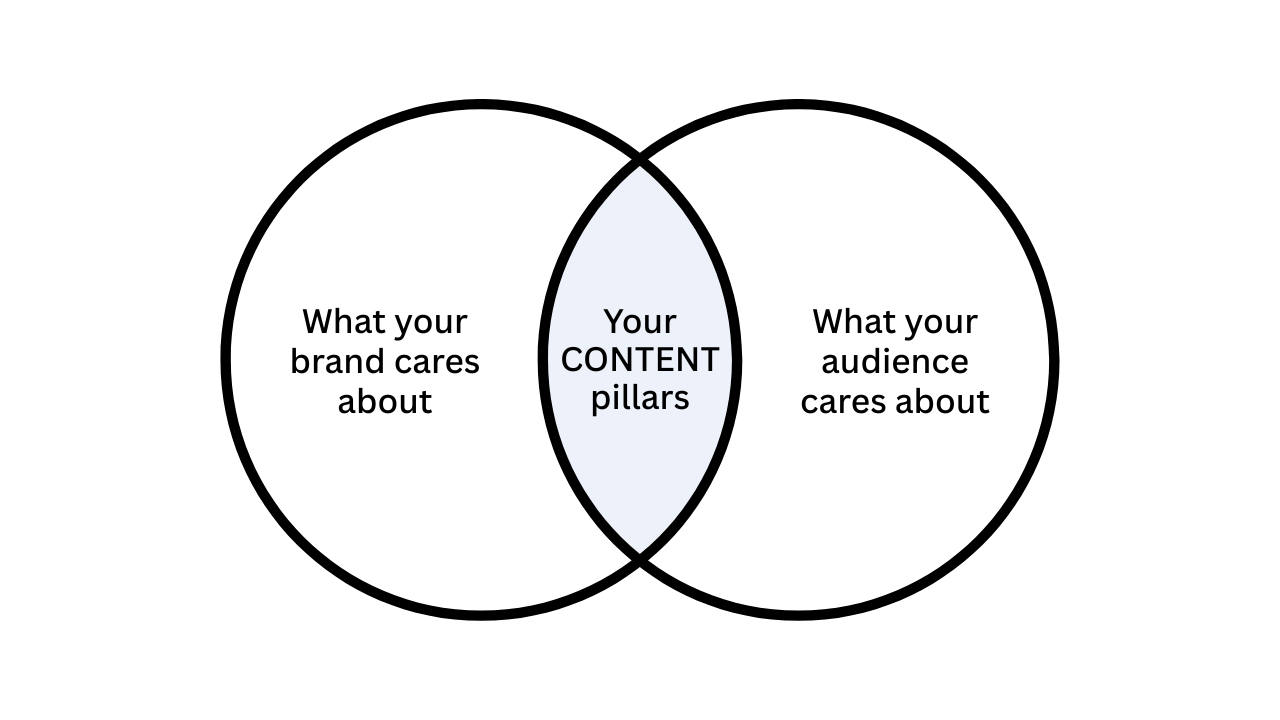
Examples by industry:
- B2B SaaS: Remote work, productivity tools, AI automation
- Fitness coaching: Strength training, nutrition basics, mindset strategies
- Marketing agency: Content strategy, paid ads, analytics, and reporting
Create Your Framework
Once you have your goals and pillars defined, build a simple framework:
- Set clear KPIs: Define what success looks like for each platform (e.g., YouTube = watch time, LinkedIn = engagement rate, website = traffic conversions)
- Understand audience intent: Why do people follow you on YouTube versus LinkedIn? What problems are they trying to solve?
- Map content formats: Which formats align with your goals and audience preferences? (e.g., tutorials, behind-the-scenes, case studies)
This foundation makes every repurposing decision easier and more strategic.
2. Audit Your Existing Content for Repurposing Potential
Before creating anything new, audit what you already have. Chances are, you’re sitting on high-performing assets that can be reborn in fresh formats.
Start by identifying content that’s:
- Evergreen: Topics that remain relevant over time
- High-performing: Posts or videos that generated engagement or conversions
- Underutilized: Great ideas that didn’t get the attention they deserved
Use tools like Google Analytics, YouTube Studio, and social media insights to uncover what’s resonating. Look for patterns; which topics, headlines, or formats perform best?
Next, evaluate format adaptability.
- A blog post can become a LinkedIn carousel or infographic.
- A webinar can become 10 short clips or a mini-course.
- A podcast can become a series of tweets or blog posts.
Pro tip: Focus on long-form content with multiple talking points; these make excellent short-form snippets. When done right, a good audit can reveal months of content opportunities you didn’t even know existed.
3. Choose the Right Formats for Each Platform
Different platforms reward different content types, and your repurposing strategy should respect those differences. YouTube prioritizes longer videos and Shorts. TikTok thrives on quick, entertaining clips. LinkedIn favors professional insights and educational content. Instagram blends visual storytelling with Reels and carousels.
Here's a practical example of how one piece of content can transform across platforms:
- Webinar
- Repurposed into: 10 short clips, 3 blog posts, and 1 email series
- Best platforms: YouTube Shorts, TikTok, LinkedIn, Newsletter
- Blog Post
- Repurposed into: LinkedIn post, Carousel, Infographic
- Best platforms: LinkedIn, Instagram, Pinterest
- Podcast
- Repurposed into: Quote graphics, Audiograms, Articles
- Best platforms: X (Twitter), YouTube, Medium
- YouTube Video
- Repurposed into: Shorts, TikToks, Reels
- Best platforms: TikTok, Instagram, YouTube Shorts
Each platform has its rhythm. TikTok users scroll fast and want quick, emotional hits. LinkedIn prefers storytelling and value-driven insights. YouTube rewards depth.
Repurpose intentionally; tailor your message, tone, and visuals to fit each environment instead of copying and pasting. With this, you transform one original idea into a content ecosystem that lives across platforms.
4. Automate and Streamline with AI Tools
Manual editing is the biggest bottleneck in content repurposing. Watching an hour-long video to find the best moments, trimming clips, reframing for vertical formats, and adding captions can take hours.
AI-powered tools eliminate most of that work, turning a multi-hour process into a few clicks.
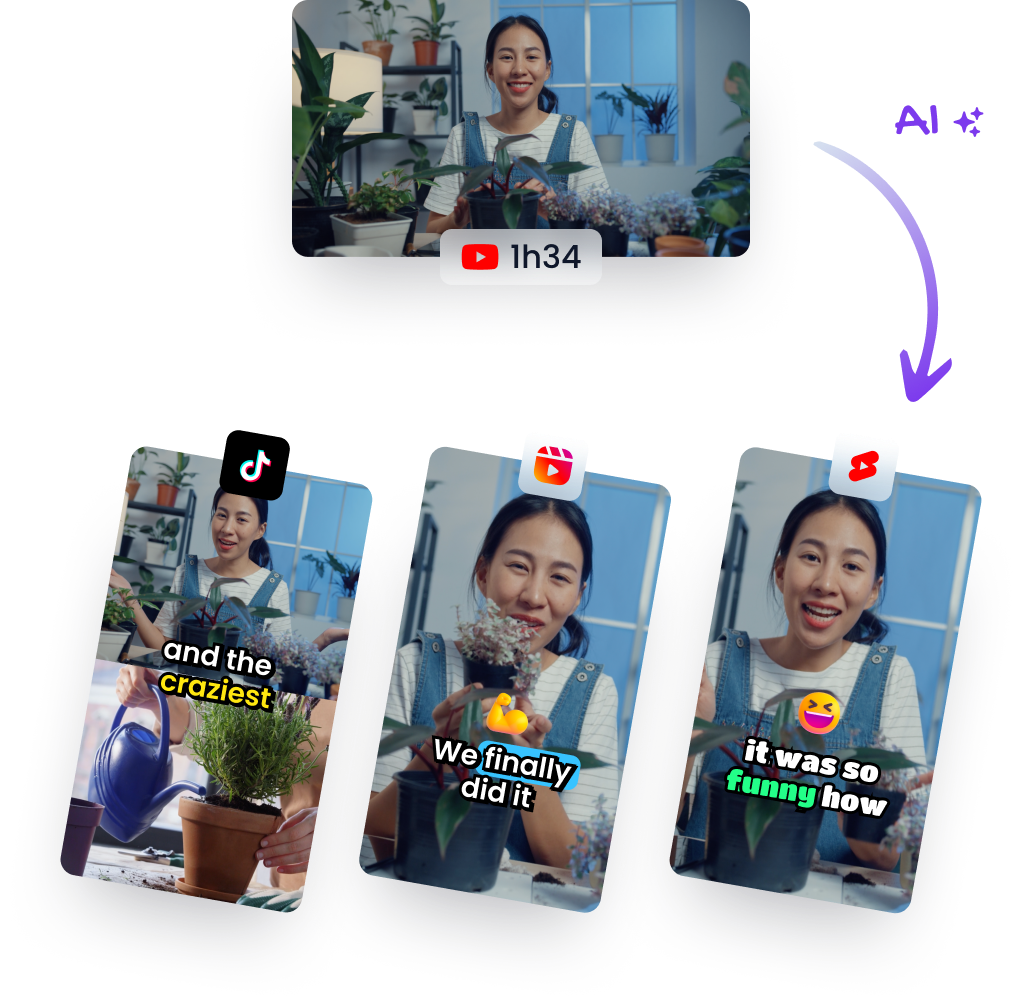
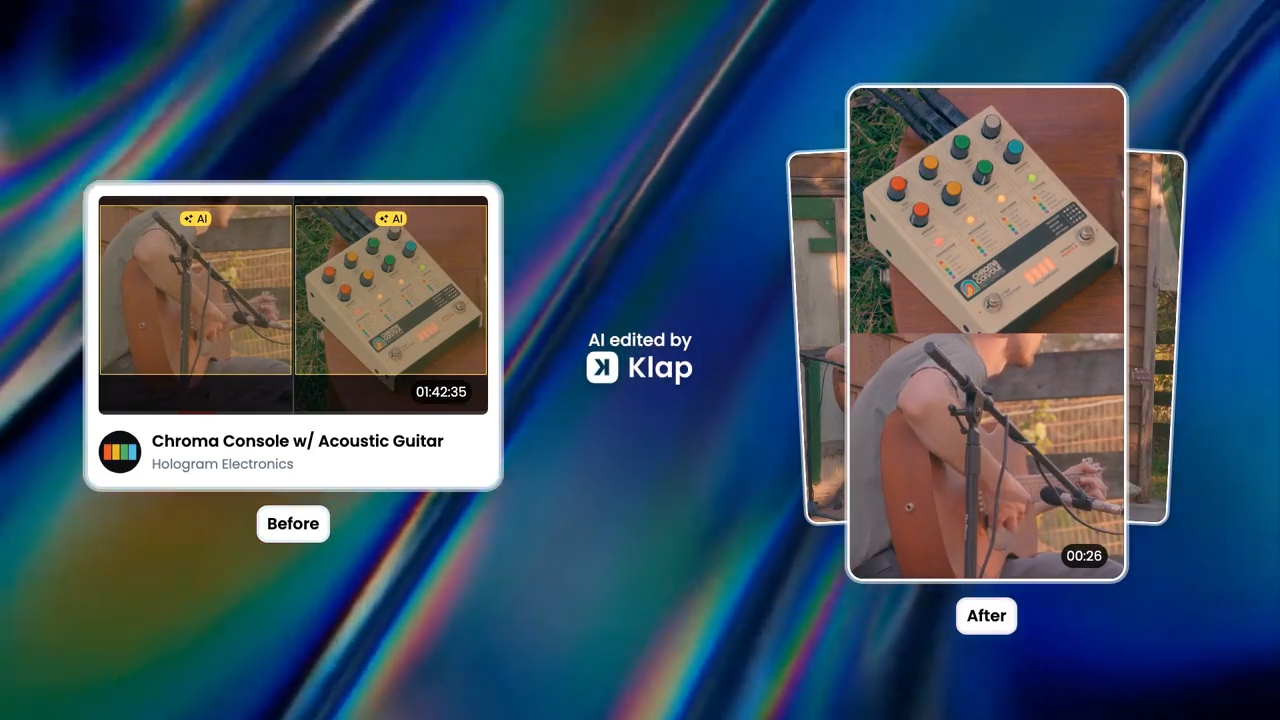
That’s where repurposing tools like Klap come in. Klap automatically detects the most engaging moments in your videos and transforms them into ready-to-post clips, complete with captions, reframing, and aspect ratio adjustments.
Here’s how to repurpose your content with Klap:
Step 1: Sign Up and Get Started
Go to klap.app and create a free account. You can start with the free trial or choose a plan that suits your workflow. Once logged in, you’ll access our AI-driven repurposing dashboard.
Step 2: Upload Your Long-Form Video
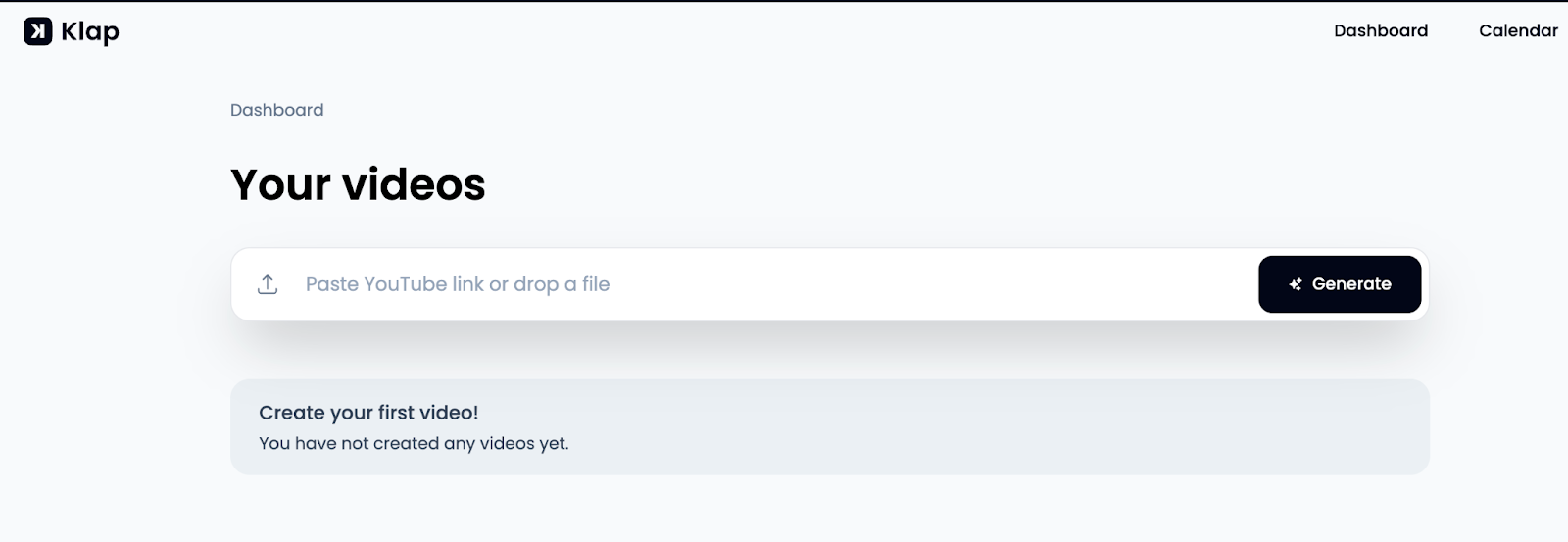
Select the content you want to repurpose: webinars, podcasts, product demos, or interviews, and upload it directly to Klap. Our platform supports all major video formats.
Step 3: Let AI Do the Work
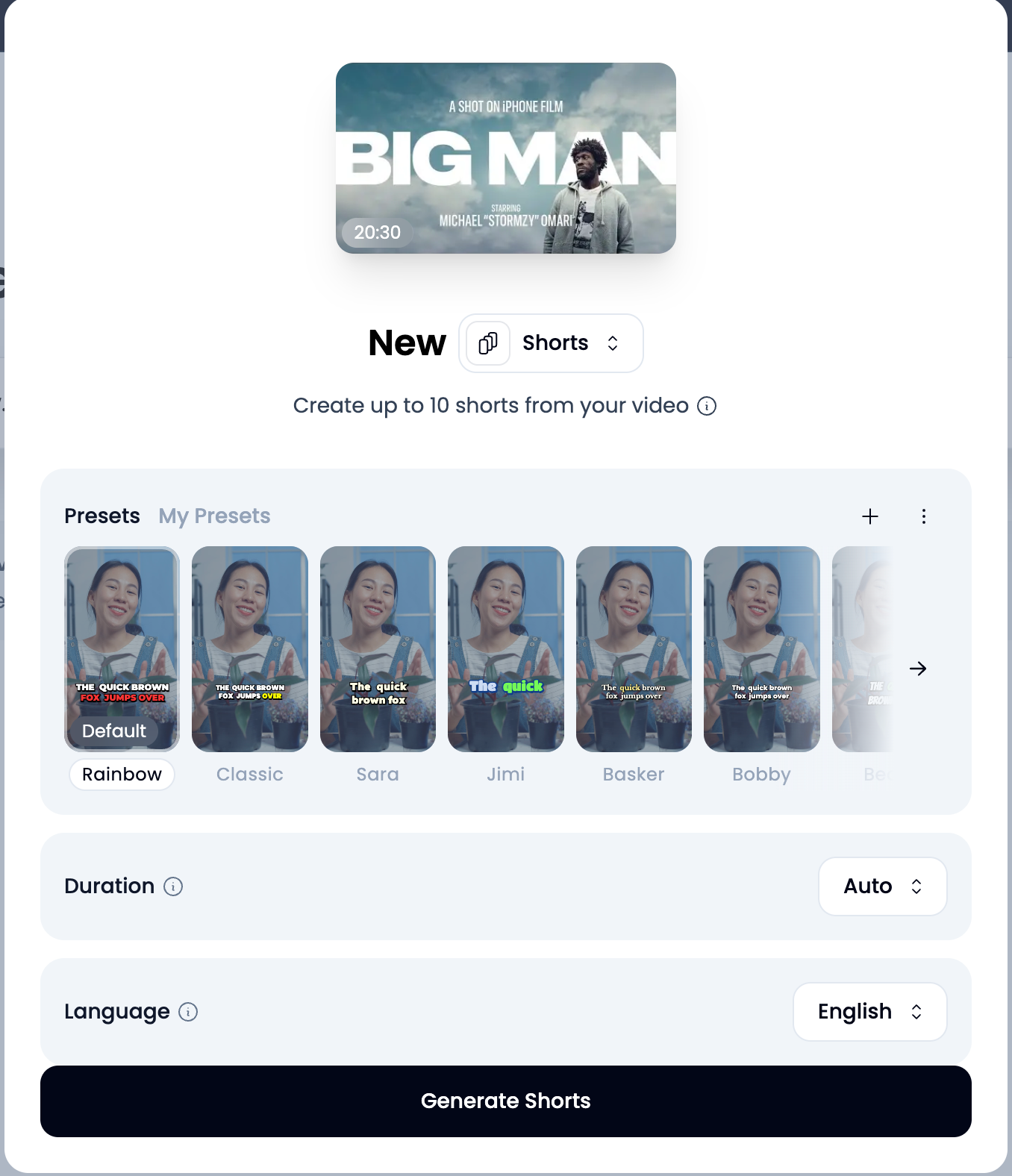
Klap’s AI scans your video to find the strongest segments: key insights, emotional hooks, and self-contained moments that can perform as standalone clips. The full analysis takes just a few minutes.
Step 4: Review and Choose Your Clips
You’ll get multiple clip options optimized for engagement, conversions, and platform fit. Preview each, then select the clips you want to keep or edit further.
Klap automatically reformats your clips for TikTok, Instagram, YouTube Shorts, and more. Each version includes intelligent reframing, captions, and layout adjustments for the best on-screen fit.
Step 5: Refine and Brand Your Content
Tweak captions, add your logo, and apply consistent colors and fonts. You can also include background music or sound effects from Klap’s library to match your brand tone.
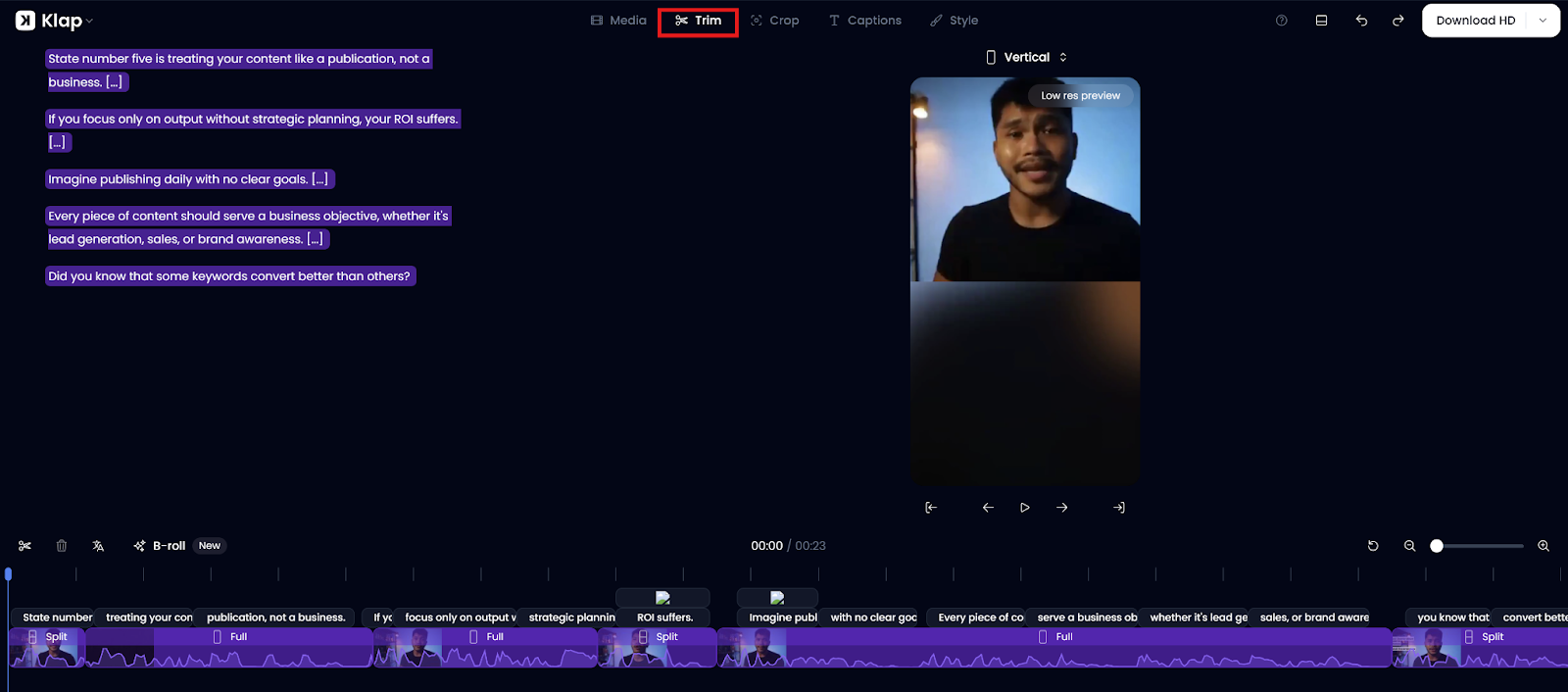
Step 6: Export and Share
Export your finished clips in high-quality MP4 format. Post directly to your social platforms or schedule them using your preferred publishing tool.
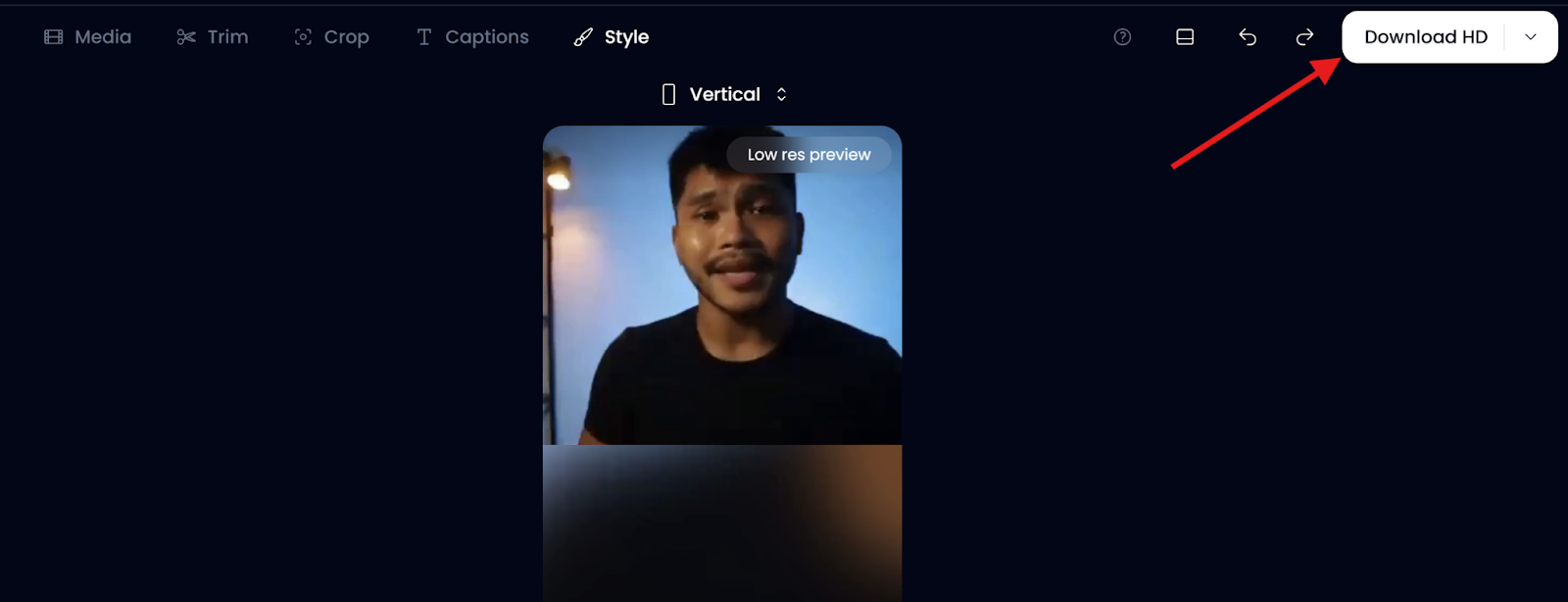
This automation not only saves hours of editing but also ensures consistency and quality across all platforms. Plus, AI tools can analyze performance data to suggest what to repurpose next.
5. Customize and Optimize for Each Channel
A one-size-fits-all approach kills engagement. Even when repurposing, context matters. Each platform has its quirks, from aspect ratios to audience expectations.
Here are a few optimization tips you can follow:
- Adjust aspect ratios: vertical (9:16) for TikTok/Reels; horizontal (16:9) for YouTube.
- Add platform-native captions and trending hashtags.
- Incorporate brand elements like logos, color palettes, or subtle CTAs.
- Tailor your captions and hooks to the platform vibe (LinkedIn = insights, TikTok = quick emotion).
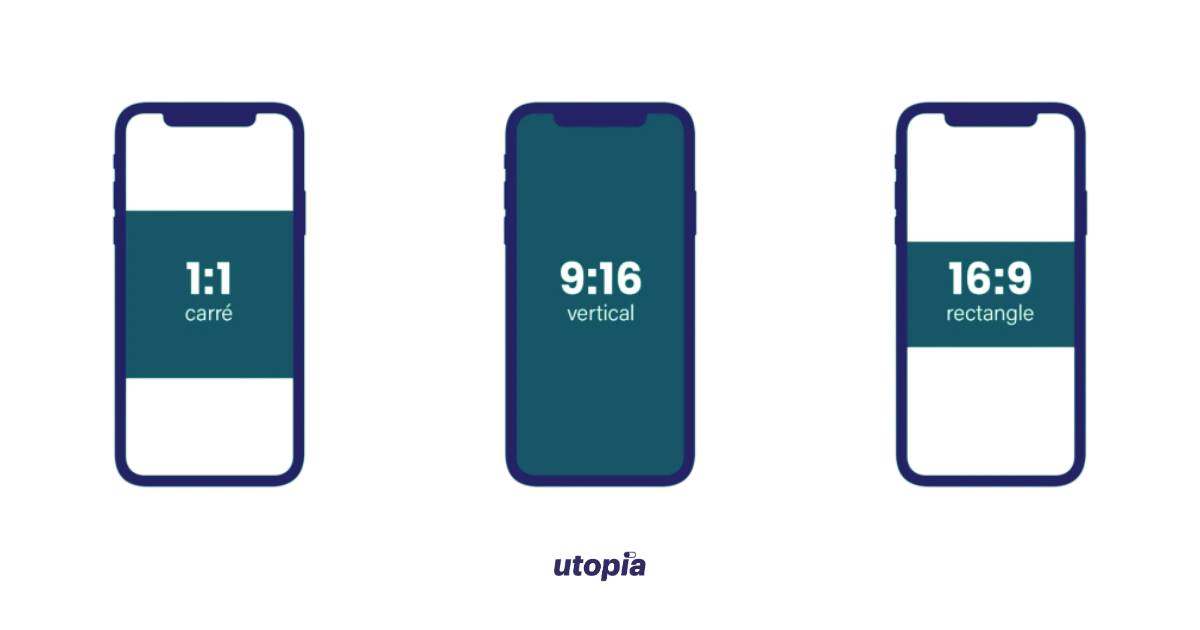
For example: A 5-minute YouTube tutorial on “AI Productivity Tools” can be split into 3 TikToks; each with a strong opening hook and trending sound. Same content, different platform energy. Repurposing works best when you adapt for attention, not when you repeat content verbatim.
6. Schedule, Publish, and Track Performance
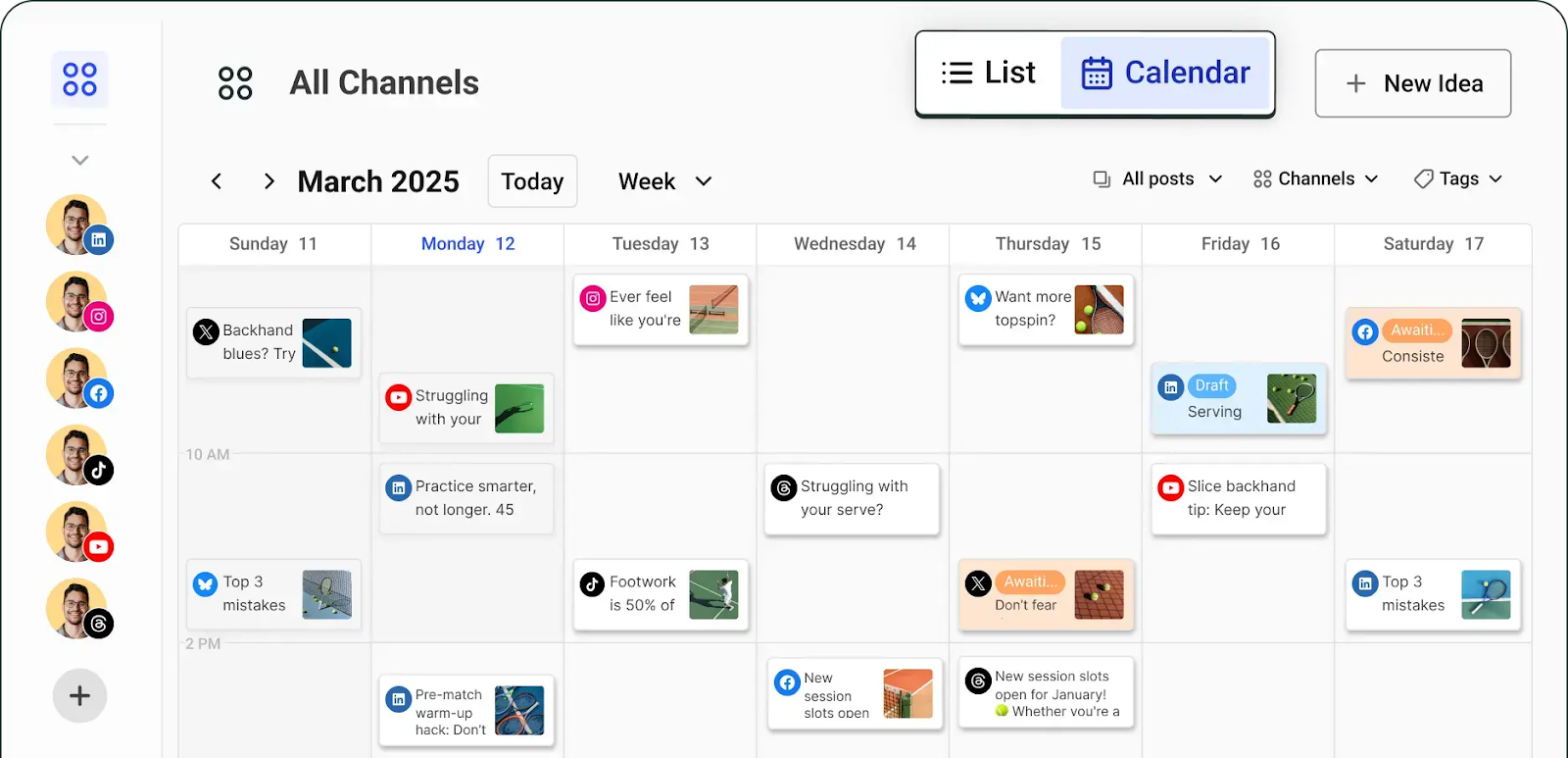
Consistency beats intensity when it comes to content distribution. A steady flow of repurposed content across multiple platforms builds momentum and keeps your brand top of mind. The best way to maintain consistency is through planning and scheduling.
For example:
1 core topic per week → 1 YouTube video + 3 shorts + 2 LinkedIn posts + 1 newsletter.
That’s one week of content, all flowing from a single pillar idea.
Use scheduling tools like Buffer, Later, Metricool, or native platform schedulers to streamline publishing. Set reminders for cross-promotion; e.g., sharing YouTube Shorts on Instagram or embedding blog clips in emails.
Then, track your metrics:
- Engagement rate
- Reach and shares
- Click-throughs and conversions
Analytics will reveal which formats or topics perform best, guiding what to repurpose next. Over time, this data-driven loop ensures your strategy only gets sharper.
7. Refresh and Recycle Over Time
Repurposing isn’t a one-and-done effort; it’s a continuous cycle. Trends evolve and audience behavior changes, that’s why refreshing old assets keeps your content relevant.
Update stats, swap visuals, record new intros, or remix clips with trending sounds. Seasonal opportunities are goldmines too; e.g., turn your 2023 “Social Media Tips” video into a 2025 edition.
Recycling smartly compounds your results. The more you refresh and redistribute, the more brand visibility and SEO authority you build, without starting from zero.
Remember: consistency + creativity = compounding growth.
Scale Your Content Strategy with Klap
Building a content repurposing strategy is about working smarter, not just harder. One piece of high-quality content can fuel weeks of posts, clips, and updates across every platform your audience uses. The key is having a clear process, the right tools, and a commitment to consistency.
Klap automates the most time-consuming parts of repurposing, turning long videos into platform-ready clips in minutes. With over 1.7 million creators already using it to scale their content, you can trust it to handle the heavy lifting while you focus on strategy and growth.
Start using Klap for free today and turn your existing content into a content engine that works for you.