What Is Content Repurposing And How To Do It Right
Other

You've already created your best content. Let that sink in.
The biggest challenge for most creators isn't dreaming up brand-new ideas from scratch every single day. It's figuring out how to get more mileage out of the amazing work you've already done. How do you amplify the messages that are already hitting home with your audience?
That’s where content repurposing comes in.
What Is Content Repurposing Really
Imagine you’re a chef who just got a beautiful, prime cut of beef. You're not just going to grill it once and call it a day, right?
First, you might sear it to perfection for a signature main course. But then, you'll use that same high-quality ingredient for gourmet steak tacos the next day, a rich bone broth for a soup, and maybe even a premium steak sandwich for the lunch crowd. Each dish is totally unique and appeals to a different taste, but they all came from the same core ingredient.

This is the heart of what is content repurposing. It’s the practical art of transforming your proven, high-value content into fresh formats tailored for different channels and new audiences.
The "Work Smarter" Mindset
This isn't just a clever tactic; it's a fundamental shift in how you view content creation. It's about getting off the "one-and-done" treadmill where a blog post or video gets published and then fades into the archives.
Instead, you start seeing every piece of content as a goldmine. That hour-long podcast? It's also ten short video clips, a series of quote graphics, a Twitter thread, and maybe even the foundation for a new blog post. You get to expand your reach and reinforce your core message without burning out.
And this isn't some niche strategy, either. A massive 94% of marketers actively repurpose their content. If you want to dive deeper, check out these powerful content repurposing statistics to see just how essential this has become.
Repurposing Vs Recycling
Now, it’s really important to draw a line in the sand between repurposing and recycling. They might sound similar, but they’re worlds apart in terms of strategy and results.
Recycling is just hitting the repost button. Repurposing is a true transformation.
Content repurposing is about adapting the core idea into a new format. Content recycling is publishing the same piece of content again on the same platform. The first improves distribution and reach, while the second doubles down on past success.
Let's break down the differences so it’s crystal clear.
This table gives you a quick summary, highlighting the strategic differences between thoughtfully repurposing content and simply reposting it.
Repurposing Vs Recycling At A Glance
AspectContent Repurposing (Strategic)Content Recycling (Basic)
Goal
To reach a new audience on a new platform by adapting the format and message.
To re-engage the same audience on the same platform with proven content.
Effort
Requires creative effort to reformat, edit, and tailor the content for a new context.
Minimal effort; often just a simple repost or reshare of the original content.
Format
The format is completely changed (e.g., a blog post becomes a video series).
The format remains identical (e.g., a tweet is retweeted a month later).
Example
Turning key insights from a webinar into a 10-part LinkedIn carousel.
Sharing a popular Instagram post from last year again as a "throwback."
Once you grasp this key difference, you're on your way to building a powerful content machine. By repurposing, you amplify your best ideas, connect with more people in more places, and build your authority across the entire digital ecosystem—all without having to reinvent the wheel every single day.
The Real Benefits Of A Strong Repurposing Strategy
Knowing what content repurposing is is one thing. The real magic happens when you see the results a smart strategy can actually deliver for your brand. It’s not just about churning out more posts; it’s about building a brand presence that’s more efficient, authoritative, and genuinely engaging.
When you ditch the constant "create-from-scratch" hamster wheel for a strategic repurposing model, you unlock some serious advantages. You save time, get more eyes on your work, and build a much stronger connection with your audience.
Let's break down the three biggest wins you can expect.
Maximize Your Time And Resources
Imagine you pour 20 hours into creating one fantastic, in-depth YouTube video. In a typical workflow, that’s one piece of content. Done. But with a repurposing strategy, that single video can fuel an entire month’s worth of social media posts. This efficiency is easily the most immediate and powerful benefit.
Instead of constantly brainstorming, scripting, and shooting dozens of unique assets from the ground up, you focus that energy on one high-quality "pillar" piece. Then, you just strategically extract value from it over and over again. This takes a ton of pressure off your creative process and frees you up for other important tasks, like engaging with your community or planning your next big move.
Actionable Insight: For every hour you spend on a pillar piece of content, a good repurposing workflow can generate 5-10 additional assets. You're effectively multiplying your output without multiplying your effort.
This doesn't just save you a massive amount of time; it also slashes your content production costs. That makes it a sustainable model for creators and businesses of any size.
Boost Your SEO And Authority
Content repurposing is a secret weapon for SEO that too many people overlook. When you take a core idea and spin it into multiple formats—a blog post, a video, a podcast episode, a social media thread—you create a whole web of interconnected content around a central theme.
This sends a powerful signal to search engines like Google that you’re an authority on that subject.
Here’s a practical look at how it helps your SEO:
- Wider Keyword Reach: Different formats naturally rank for different keyword variations. A video might rank for "how to edit shorts," while the transcribed blog post ranks for "best video editing techniques." You cover more ground without extra research.
- Increased Backlink Opportunities: More assets floating around the internet means more chances for other sites to link back to you. Studies have shown a strong correlation between the number of backlinks a page has and its search ranking.
- More Traffic Signals: When you promote repurposed clips on social media and drive traffic back to your main pillar content, you’re signaling to Google that your content is valuable and relevant.
In the end, you're not just making isolated pieces of content. You're building a comprehensive resource hub that cements your expertise and makes you far more visible in search results.
Deepen Audience Engagement
Let's be real: different people consume content in different ways. Some are glued to short vertical videos on TikTok, while others prefer to read an in-depth carousel on LinkedIn. If you stick to a one-size-fits-all approach, you’re flat-out ignoring a huge chunk of your potential audience.
By repurposing your content into formats that feel native to each platform, you meet your audience where they already are, in a way they actually prefer. A podcaster, for instance, can see their downloads explode just by turning compelling interview clips into viral YouTube Shorts. It works because each piece feels like it belongs there and adds value in that specific context.
This strategy goes way beyond just chasing likes and comments; it’s about building a real connection. It proves you understand the culture of each platform and that you're committed to providing value in every format. And this doesn't just build community; it drives revenue. In B2B marketing, a whopping 58% of professionals reported that content marketing—often powered by repurposing—directly boosted their sales. You can see more stats on this at ScopicStudios.com.
By delivering the right message in the right format, you turn passive viewers into a loyal community, which is the foundation of any effective content monetization strategy.
Proven Content Repurposing Pathways That Work
So, you're sold on the why. Now for the fun part: the how.
Effective content repurposing isn’t about just blasting the same message everywhere. It's about having a repeatable game plan—what I call "pathways"—that turn one solid piece of content into a whole ecosystem of assets.
Think of these as your go-to recipes. You start with one core ingredient and follow a few simple steps to create a dozen different dishes, each perfect for a different occasion. Instead of staring at a blank page (or screen), you have a clear, actionable playbook.

As the diagram shows, it’s a feedback loop. You save time, which lets you create more, which boosts your reach, which deepens engagement. It all works together.
The Video To Viral Pathway
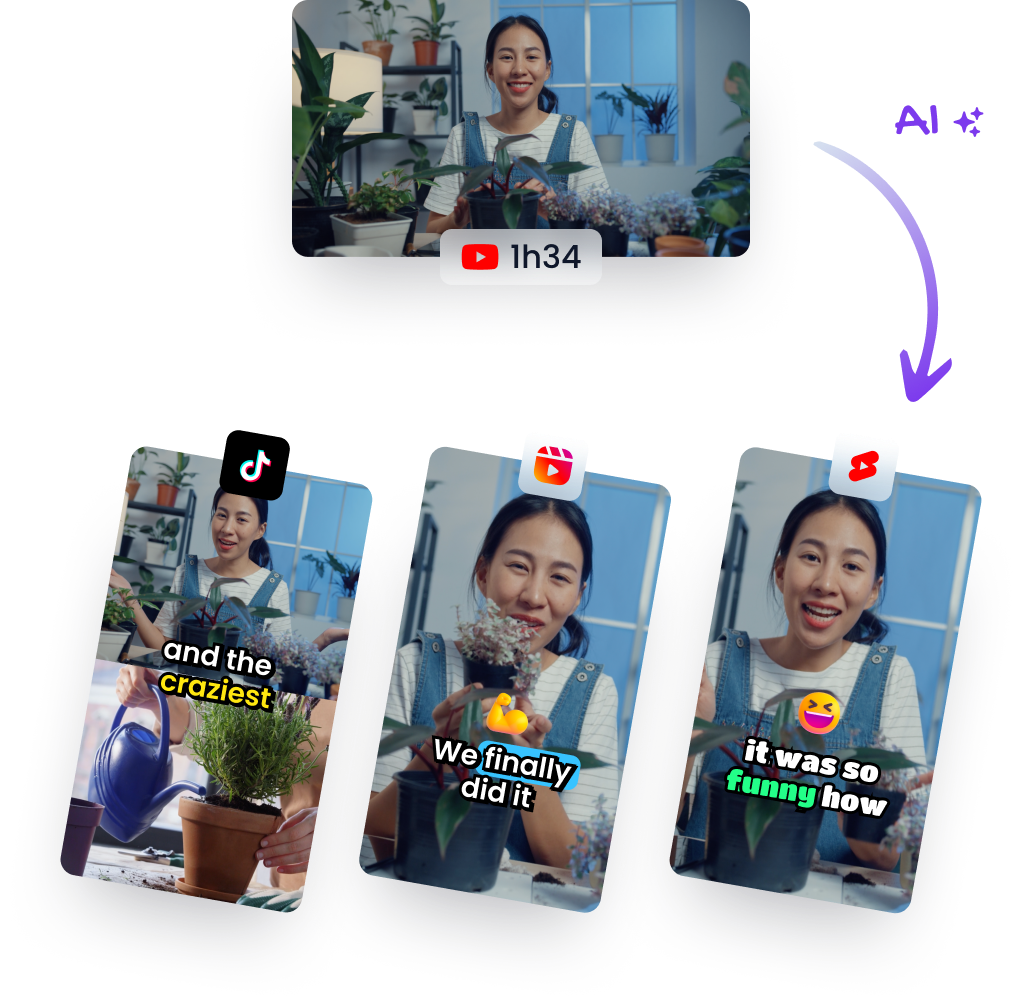
This is the most powerful pathway right now, thanks to the explosion of short-form video. It takes a single long-form video—a YouTube deep-dive, a webinar, a podcast interview—and chops it into a steady stream of clips for TikTok, Instagram Reels, and YouTube Shorts.
The numbers don't lie: viewers are 95% more likely to remember a call-to-action after watching a video than reading text. The goal here is pure discovery. You're mining your best moments and packaging them for an audience with a thumb ready to swipe.
Here's the actionable flow:
- Find the "Golden" Moments: Watch your long-form video and hunt for the gems—the killer hooks, surprising stats, actionable tips, or funny stories. These are your scroll-stoppers.
- Extract and Edit: Pull those moments out into short, vertical clips. Each one needs to stand on its own and deliver instant value. If you want to speed this up, you can learn how to make Reels with existing video with AI tools that do the heavy lifting for you.
- Optimize for the Platform: Add large, dynamic captions. With up to 85% of social videos watched with the sound off, captions are non-negotiable.
- Publish and Promote: Schedule these clips to go out consistently. And don't forget to point people back to the full video in your bio or description to pull them deeper into your world.
The Article To Authority Pathway
Written content is still king for building trust and nailing SEO. This pathway takes a meaty, well-researched blog post and slices it into bite-sized pieces perfect for building thought leadership on professional networks like LinkedIn and X (formerly Twitter).
Your goal here is credibility. You're taking deep insights and making them easy to digest for busy people, driving the most interested ones back to your site.
Here's what that looks like in practice:
- LinkedIn Carousel: Turn the key sections or data points from your article into a slick 5-7 slide carousel. Focus on one core idea per slide with minimal text. Make it skimmable and irresistible to share.
- X (Twitter) Thread: Break down your article's argument into a thread. Start with a killer hook, give each tweet its own point, and wrap it up with a clear call-to-action linking to the full piece.
- Newsletter Breakdown: Summarize the absolute best takeaways for your email list. This gives your most loyal fans a VIP summary and tempts them to click through for the whole story.
The Audio To Everywhere Pathway
Podcasts and audio interviews are goldmines of authentic, conversational content. The "Audio to Everywhere" pathway is all about making sure those valuable moments aren't just heard, but also seen.
The mission is to find listeners who haven't discovered your podcast yet by meeting them on visual and text-based platforms. If you want to dive deeper into getting your content seen, check out these proven strategies for multi-platform content promotion.
Key moves in this pathway include:
Audiograms: These are your secret weapon. Take a short audio clip, lay it over a branded image or a cool waveform visual, and you've got a perfect teaser for Instagram, LinkedIn, and Facebook. Tools like Headliner or Descript make this easy.
Quote Graphics: Pull the most memorable, punchy quotes from your episode. Turn them into clean, shareable graphics for Instagram Stories, Pinterest, or X. You just turned a spoken word into a visual asset.
Full Transcription: Post the full, SEO-friendly transcript on your blog. Not only does this make your content more accessible, but it lets Google crawl every word, opening up a massive new channel for organic traffic.
To make this all a bit more concrete, I've put together a quick cheatsheet. Think of it as a go-to reference for matching your original content with the best repurposing plays.
Your Content Repurposing Cheatsheet
A practical guide matching original content formats with their best repurposing opportunities and target platforms.
Original Content Format
Repurposed Format
Best Platform(s)
Primary Goal
YouTube Video (10+ min)
Short Vertical Clips (15-60s)
TikTok, Instagram Reels, YouTube Shorts
Reach & Discovery
In-Depth Blog Post
Twitter Thread / LinkedIn Carousel
X (Twitter), LinkedIn
Authority & Traffic
Podcast Episode
Audiograms & Quote Graphics
Instagram, LinkedIn, Facebook
Amplification
Webinar / Live Q&A
Blog Post Summary & Key Takeaways
Company Blog, Medium, LinkedIn Articles
SEO & Lead Generation
Case Study / Data Report
Infographic
Pinterest, LinkedIn, Website
Engagement & Shareability
Keep this table handy. When you're not sure what to do with a piece of content you just created, a quick glance can spark an idea and give you a clear direction.
Your Step-By-Step Workflow For Video Repurposing
Theory is great, but let's get down to business. Knowing the different ways to repurpose is one thing; building an efficient, repeatable workflow is how you actually get results. Since video is the king of content right now, we’ll walk through a simple, four-step process for turning one long video into a steady stream of high-impact social media shorts.
This isn't about adding more to your to-do list. It's about creating a system that makes your content work smarter, not harder. Follow this workflow, and you can turn a single recording session into a full week's worth of content, freeing you up to focus on the bigger picture.
Step 1: Pinpoint Your Pillar Content
Before you can chop anything up, you need to pick the right log. Not all content is created equal. Your "pillar" is your highest-value, most in-depth piece of content—the one that has already proven its worth with your audience. Think of it as the foundation for everything else.
To find your pillar video, dig into your analytics. Look for these signals:
- High Audience Retention: Jump into your YouTube analytics and find videos where viewers stick around the longest. See those spikes in the retention graph? Those are often "golden moments" that really clicked with people.
- Strong Engagement: Look for the videos with the most comments, shares, and likes. This is your audience literally telling you, "We loved this!"
- Evergreen Value: Focus on content that solves a timeless problem. A video on "How to Set Up Your First Budget" has a much longer shelf life than a review of a phone that's now two years old.
By starting with a proven winner, you’re not guessing what might work. You’re just amplifying what already works, which dramatically increases the odds that your new clips will hit the mark.
Step 2: Extract Clips With AI
Once you have your pillar video, it's time to mine it for gold. Manually scrubbing through an hour-long video to find a few compelling 30-second soundbites is a soul-crushing task. It's slow, tedious, and a total momentum killer.
This is where AI tools completely change the game.
Modern AI platforms can analyze your entire video in minutes, automatically identifying the best hooks, stories, and quotes based on transcription and visual cues. This automates the most time-consuming part of the whole process.
Actionable Insight: Instead of spending hours hunting for clips, you can review a list of AI-suggested moments in minutes, pick the best ones, and jump straight to making them perfect. This is how you achieve real scale.
Take a tool like Klap, for example. You just paste a YouTube link, and its AI spits out a dozen or more social-ready clips, complete with dynamic captions and smart reframing that keeps the speaker perfectly in the shot. It's a critical shortcut for any efficient workflow. If you want to dive deeper, you can learn all about how to create YouTube Shorts from an existing video with these tools.
Step 3: Refine And Tailor For Each Platform
Automation gets you 90% of the way there. That last 10%—the human touch—is what makes your content feel like it truly belongs on each platform. A clip for LinkedIn might need a more professional feel, while the same clip on TikTok could use a trending sound or a more playful caption.
This refinement stage is quick, but it's crucial.
- Check the Captions: AI-generated captions are surprisingly accurate, but always give them a quick once-over to fix any weird phrasing or industry-specific terms.
- Adjust the Hook: The first three seconds are everything. Make sure each clip gets straight to the point and is impossible to ignore. Sometimes this means trimming just a tiny bit from the beginning.
- Customize the Style: Match the vibe of the platform. Bolder, more colorful captions tend to do well on TikTok and Reels, while cleaner, simpler styles might be better suited for LinkedIn.
You can see below how an AI tool presents ready-to-edit clips from a single video, making this whole process incredibly simple.

This kind of interface lets you make quick adjustments to captions, aspect ratios, and styles before you export, turning what used to be a complex editing job into a few simple clicks.
Step 4: Schedule And Distribute Consistently
Alright, the final step: getting your content in front of actual people. Creating a batch of killer clips is only half the battle. If you're not distributing them consistently, you're not going to see growth. Posting sporadically just doesn't build momentum.
Use a scheduling tool to plan out your content calendar. A good starting point is to post one or two short clips per day across your main platforms. This creates a steady drumbeat of content that keeps your brand top-of-mind and feeds the hungry platform algorithms.
And don't forget to include a clear call-to-action in your post descriptions. Nudge viewers to watch the full video, subscribe to your channel, or visit your website. This is how you turn the attention from your short clips into meaningful action, closing the loop on your repurposing efforts.
How To Measure The Success Of Your Repurposed Content
Putting out a steady stream of repurposed content without tracking how it performs is like driving with your eyes closed. Sure, you're moving, but you have no clue if you're actually getting anywhere. To really get a handle on the impact of your work, you have to look past the vanity metrics and zero in on the Key Performance Indicators (KPIs) that show real growth and return on your time.
Measuring success isn't just about spotting what went viral. It’s about creating a data-driven feedback loop that tells you exactly what your audience wants, so you can stop guessing and start doubling down on what works.
Key Metrics To Track For Repurposed Content
Your analytics dashboard can feel like a firehose of data, but you only need to watch a handful of key metrics to see the real picture. These are the KPIs that connect your short-form clips back to your bigger business goals.
Let's break down what you should be keeping an eye on.
- Reach and Impression Growth: First things first—are your repurposed clips reaching new people? A steady climb in reach and impressions is a clear sign that you're breaking into new audiences who haven't seen your original pillar content. That’s a huge win for any repurposing strategy.
- Platform-Specific Engagement Rates: A "like" on LinkedIn is not the same as a "save" on Instagram. You have to track engagement rates (likes, comments, shares, saves) separately for each platform. A 25% jump in saves on your Instagram Reels tells you your educational stuff is hitting the mark, while high shares on LinkedIn prove your thought leadership clips are resonating with a professional crowd.
- Click-Through Rate (CTR) to Pillar Content: This is where the magic really happens. Are your short clips actually sending people back to your full-length YouTube video, blog post, or podcast? A strong CTR is proof that your teasers are compelling enough to make people want the full experience, which is essential for building a deeper connection with your audience.
- Follower Growth Correlation: Keep an eye on your follower count across platforms. Do you see spikes right after you drop a new batch of clips? If a new pillar video leads to a noticeable bump in followers, you've just found a topic or a style that your ideal audience is hungry for.
The goal isn't just to get views on a clip; it's to use that clip as a gateway to your entire content ecosystem. Each metric helps you understand a different piece of that puzzle.
To truly connect the dots, it's vital to learn how to properly measure social media ROI. This helps you tie your content's performance directly to tangible business results.
Building A Simple Measurement Framework
You don't need some ridiculously complex system to get started. A simple spreadsheet or a basic dashboard tool is all you need to track these key metrics weekly or monthly.
Just make a habit of asking yourself these questions:
- Which repurposed formats (video clips, carousels, quote graphics) are getting the most engagement?
- Which platforms are driving the most traffic back to our main website or YouTube channel?
- What core topics from our pillar content seem to pop off the most when we repurpose them?
Answering these questions turns your analytics from a boring list of numbers into an actionable roadmap. It gives you the clarity to refine your strategy, focus your creative energy, and turn your repurposing efforts into a predictable engine for growth.
Common Repurposing Mistakes And How To Avoid Them
Even with a solid plan, it's surprisingly easy to get repurposing wrong. A few common slip-ups can turn a time-saving strategy into a massive waste of effort, making your content fall flat instead of flying high.
Knowing what these pitfalls are is the first step. Let's walk through the most common mistakes creators make and how you can sidestep them to make sure every repurposed asset pulls its weight.
The "Copy-Paste" Catastrophe
The biggest mistake by far is the "one-size-fits-all" approach. This is when you take the exact same video clip or graphic and blast it across every platform without changing a thing. A caption that nails it on LinkedIn will feel stuffy and out of place on TikTok. It just doesn't work.
Every platform has its own unwritten rules and audience expectations. Posting a raw, horizontal YouTube clip as an Instagram Reel screams, "I didn't make this for you." It feels lazy, and your audience will scroll right past it.
The fix isn't to start from scratch. It’s about making small, smart tweaks:
- Rewrite Your Captions: Adjust the tone. Keep it professional and insightful for LinkedIn, but get more conversational and personal for Instagram or TikTok.
- Optimize the Format: This is non-negotiable. Make sure your video is vertical (9:16) for Reels and Shorts, and check that any text on screen is big enough to read on a phone.
- Use Native Features: Lean into what makes each platform unique. Add an Instagram sticker, use a trending sound on TikTok, or create a poll on LinkedIn. It makes your content feel like it belongs there.
Flying Blind Without Analytics
Another classic mistake is repurposing content in a vacuum, completely ignoring your analytics. It's pure guesswork. You might spend hours slicing a pillar video into clips, only to discover later that your Instagram audience actually loves carousels.
Actionable Insight: Your data is your roadmap. It tells you what’s resonating, which topics are hitting the mark, and where your audience actually hangs out. Ignoring it is like trying to drive across the country without a map.
Get into the habit of checking your performance metrics weekly. Look at engagement rates, watch time, and click-throughs. This feedback loop is what separates a decent repurposing strategy from a great one. It lets you double down on what works and ditch what doesn't.
Forgetting the Call to Action
Finally, a surprisingly common error is posting great repurposed content… and then giving your audience nothing to do next. A clip that gets thousands of views is a missed opportunity if it doesn't lead anywhere. You’ve earned their attention—now tell them where to go.
Every single piece of repurposed content needs a clear, simple Call to Action (CTA).
- Want them to watch the full interview? Say, "Link in bio to see the full episode!"
- Trying to grow your newsletter? Try, "Drop your biggest takeaway in the comments, and I'll send you my free checklist."
This one simple step turns passive viewers into active community members, closing the loop on your efforts and turning all that engagement into real, tangible results.
Frequently Asked Questions About Content Repurposing
Even with a solid plan, jumping into content repurposing is going to bring up some questions. It’s just part of the process. Getting those sorted out early is the key to building a workflow that actually works for you and gets real results.
We've gathered up some of the most common questions we hear to give you the clarity you need to start turning your existing assets into a powerful content engine.
How Do I Choose The Best Content To Repurpose?
The golden rule here? Start with your proven winners. Don't waste time guessing what might work. Your analytics hold the answers. Dig in and find the "pillar" content that's already resonating with your audience—these are your safest bets.
Here’s what to look for:
- For Videos: Pop open your YouTube analytics and find the videos with the highest audience retention and total watch time. See those spikes in the retention graph? That's pure gold, showing you exactly what your audience loves.
- For Articles: Dive into your website analytics. Find the blog posts with the highest traffic, longest time on page, and the most organic search impressions.
These high-performers have already done the hard work of connecting with people. That makes them the perfect raw material for new formats like short clips, social media carousels, or email newsletters.
How Many Times Can I Repurpose One Piece Of Content?
There isn't a magic number. You should be thinking in terms of value, not just volume. A single one-hour webinar, for example, can be strategically broken down into dozens of individual assets without ever feeling repetitive.
Think about it: that one webinar could become 10-15 short video clips for Reels, 5-7 key quote graphics for social media, a summary blog post, and even a downloadable checklist for your email list.
The key is making sure each new piece feels native to its platform and provides standalone value. As long as you're genuinely reformatting and tailoring the core message for a new context, you can keep extracting value for months.
Can Content Repurposing Hurt My SEO?
Just the opposite—a smart repurposing strategy is one of the best things you can do for your SEO. This is a common myth that comes from a misunderstanding of "duplicate content," but that’s not what good repurposing is. You're not just copying and pasting. You’re creating entirely new, unique assets that all point back to a central theme.
For instance, turning a video transcript into a blog post allows you to rank for a whole new set of text-based keywords. When you promote short clips on social media, you create valuable backlinks and drive new traffic streams to your main content hub. All of this activity builds your topical authority and expands your digital footprint, signaling to search engines that you're a comprehensive resource on your topic.
What Are The Best Tools For Repurposing Content?
The right tool stack really depends on what kind of content you’re starting with.
For video creators, who often have the most to gain, AI-powered tools are a game-changer for quickly turning long-form videos into dozens of social-ready shorts. If your primary content is written, design platforms are fantastic for creating carousels and quote graphics. The main goal is to build a workflow that automates the most time-consuming parts of the process, freeing you up to focus on the creative side.
Ready to stop spending hours manually chopping up videos and start repurposing your content the smart way? Klap uses AI to automatically find the best moments in your videos and turn them into viral-ready short clips in minutes. Turn your content library into a lead-generation machine today. Get started with Klap.