6 Proven YouTube Video Ideas to Boost Views and Subscribers
Content Monetization
Quick Summary
This article explores six practical YouTube video ideas that creators and teams consistently use to grow. You’ll find proven formats like short-form highlights that help attract viewers and keep them engaged. Each idea focuses on clarity, repeatability, and performance, so you can turn content planning into a predictable workflow. For more YouTube video ideas and short‑form content tips, visit the Klap blog.
Struggling to Find YouTube Video Ideas?
Most creators struggle to find YouTube video ideas that stand out and are realistic to produce consistently. Strong editing helps, but weak ideas can stall growth before the camera even turns on.
Creators, small teams, and media brands often recycle formats that once worked, and without a clear system for choosing ideas, content planning becomes guesswork rather than strategy.
In this Klap article, we’ll cover proven YouTube video ideas that drive views, boost engagement, and fit modern workflows for both long-form and short-form content.
Why Listen to Us?
At Klap, we’ve helped over 2.1 million creators transform long-form videos into viral clips for YouTube Shorts, TikTok, and Instagram Reels. Creators, businesses, and media teams use our AI editor to turn long-form videos into high-performing YouTube content and Shorts at scale. Having helped millions of clips go live, we’ve seen which formats grab attention and consistently drive clicks, watch time, and engagement.
What Are YouTube Video Ideas?
YouTube video ideas are the core concepts, formats, and topics that form the blueprint for your content. They go beyond a title; they define what you will film, who it will attract, and the value it provides.
For the modern creator, a brilliant video idea should serve two key purposes.
- Solve a problem, teach a skill, or entertain a specific audience.
- Be strategically designed for repurposing.
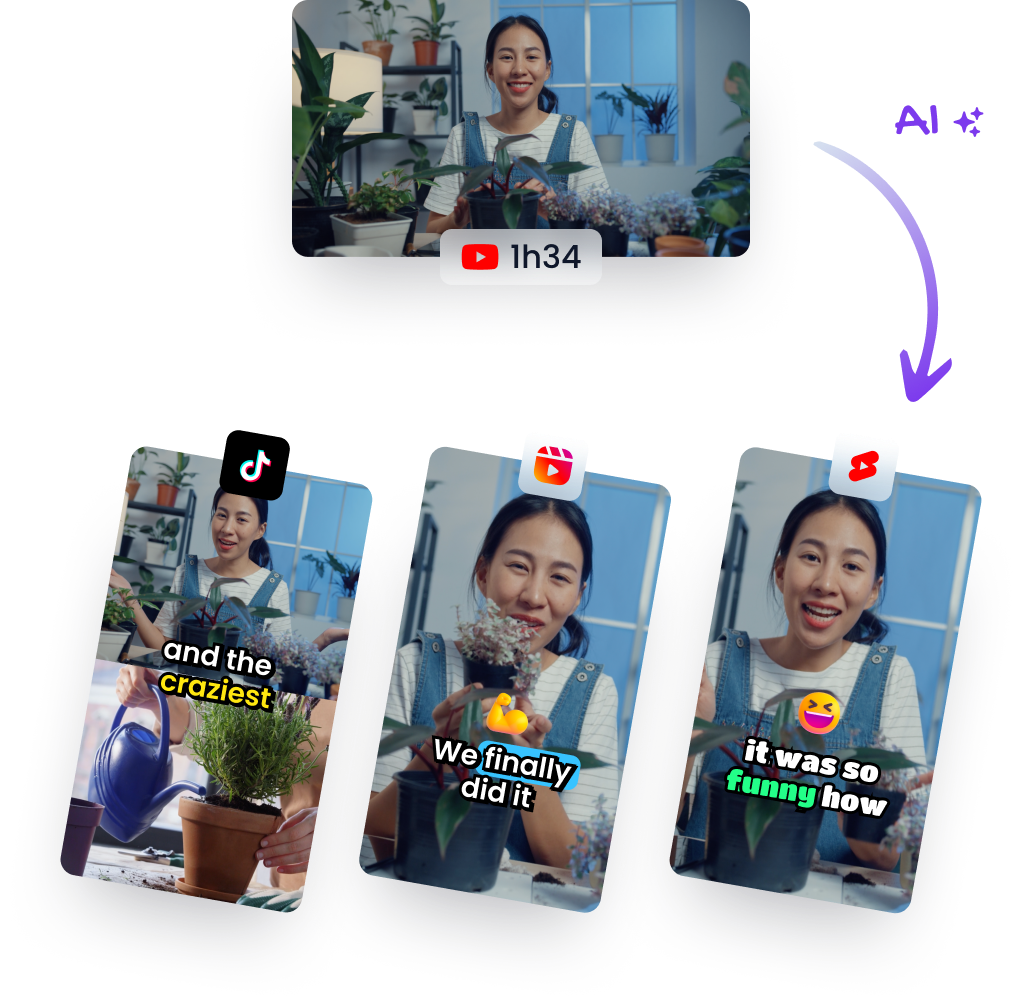
The most efficient concepts are those where a single recording, such as a detailed tutorial or an interview, can be broken into multiple short, platform-specific clips.
This approach turns one piece of content into a week’s worth of material for TikTok, Instagram Reels, and YouTube Shorts, maximizing reach and effort.
Why Are YouTube Video Ideas Important?
YouTube video ideas are important because they:
- Drives Audience Growth: A compelling idea attracts new viewers by solving a clear problem or tapping into trending interests, helping you stand out.
- Boosts Viewer Retention: A well-structured concept grabs attention immediately and delivers promised value, encouraging viewers to watch longer.
- Fuels Your Content Strategy: Solid ideas create a reliable roadmap, making it easier to plan, batch-record, and maintain a consistent upload schedule.
- Enhances Repurposing Potential: Ideas designed as multi-part topics or discussions are perfect for creating dozens of short clips for other platforms.
- Builds Channel Authority: Consistently publishing videos based on valuable, well-researched ideas establishes you as a trusted expert in your niche.
6 YouTube Video Ideas to Boost Your Engagement
1. Ultimate Beginner’s Guide Series
This video format helps viewers get started and take their first real step with confidence. No shortcuts. No assumptions.
Begin by stating the outcome up front. For example: “By the end of this video, you’ll have your first YouTube video planned, recorded, and ready to publish.” This sets expectations and anchors attention.
Then walk through the process in five to seven clear, sequential steps. Use on-screen timestamps so viewers can follow along or revisit specific sections easily:
- Ensure clear transitions between steps to keep attention high and reduce drop-off, especially for first-time viewers.
- Use visuals, examples, and short demonstrations to reinforce each phase of the process. If something seems obvious to you, explain it anyway. This builds trust by showing you understand what it feels like to start from zero.
- Address common blockers along the way. Remind viewers they don’t need expensive gear, advanced editing skills, or a perfect first upload.
End by guiding them to the next step, such as a related tutorial, deeper breakdown, or follow-up video. This helps one success naturally lead to the next.
2. Common Mistakes Breakdown
This video format works because it addresses real frustrations. Viewers are trying to get results but run into issues and want to know what they are doing wrong.
Start by showing the cost of mistakes such as:
- Lower reach
- Low retention
- Stalled growth
This immediately makes the content relevant for creators looking to improve.
Focus on specific, high-impact mistakes your audience is likely making. Show the mistake in action, then provide the correction. Side-by-side comparisons, short screen recordings, or before-and-after clips make the improvement clear and actionable.
This approach keeps viewers engaged because they can identify their own mistakes while watching, turning each correction into a practical improvement for their next video.
Reframe mistakes as learning opportunities rather than failures. Simple changes like stronger hooks, clearer structure, or better pacing can quickly improve results.
End by directing viewers to a more detailed tutorial or breakdown for one correction, allowing them to turn small fixes into lasting improvements.
3. Before & After Transformation
Before-and-after videos show results, not promises. Viewers can see what changed and why it matters, making this format effective for engagement and trust.
Start by showing the “before” state. This could be a low-performing video, a weak retention graph, or a messy editing workflow. Be specific so viewers can relate to your situation.
Next, walk through the process that led to the improvement. Highlight one project, challenge, or experiment and show the exact changes you made. Visual proof is essential. Include updated thumbnails, improved watch time, cleaner edits, or higher engagement metrics.
Finish with the “after” result and explain what made the difference. Tie the outcome to repeatable steps viewers can use in their own videos.
This format works because it combines storytelling, instruction, and proof in a clear transformation journey.
4. Challenge or Experiment Videos
Viewers enjoy watching someone explore experiments they are curious about but hesitant to try. Videos like "I Used ChatGPT to Write Every Script for 30 Days" or "Testing a Viral Morning Routine for 2 Weeks" answer common questions without requiring viewers to spend their own time or resources.
The difference between great challenge videos and forgettable ones is honesty. Document everything:
- Your initial optimism on day one
- Frustrations when things go wrong
- The unfiltered results at the end
Audiences trust creators who admit when experiments fail more than those claiming perfect success every time.
Turn your challenge into a series. Weekly updates build anticipation and keep viewers coming back, while the final results video drives watch time. Each checkpoint can also become a Short, such as "Day 7: This Is Way Harder Than I Expected."
This format captures search traffic too. Keywords like "30-day challenge," "I tested [trending tool]," and "does [method] actually work" match how viewers research before trying something themselves.
5. "Ask Me Anything" (AMA) Sessions
AMA videos turn passive viewers into active participants. By answering questions your audience actually submitted, you address their real pain points, curiosities, and challenges.
Collect questions through YouTube community posts, Instagram stories, or video comments a week before filming. This builds anticipation and ensures you cover topics with proven interest.
Organize your AMA around themes, grouping all business questions together and technical questions in another segment. This creates natural chapters that viewers can skip to based on their needs.
Every question you answer is repurposable. For example, "How do you price freelance video editing?" can become a standalone Short, while "What camera do you use?" makes a perfect 30-second tip. One AMA session can generate 15–20 ready-to-use clips.
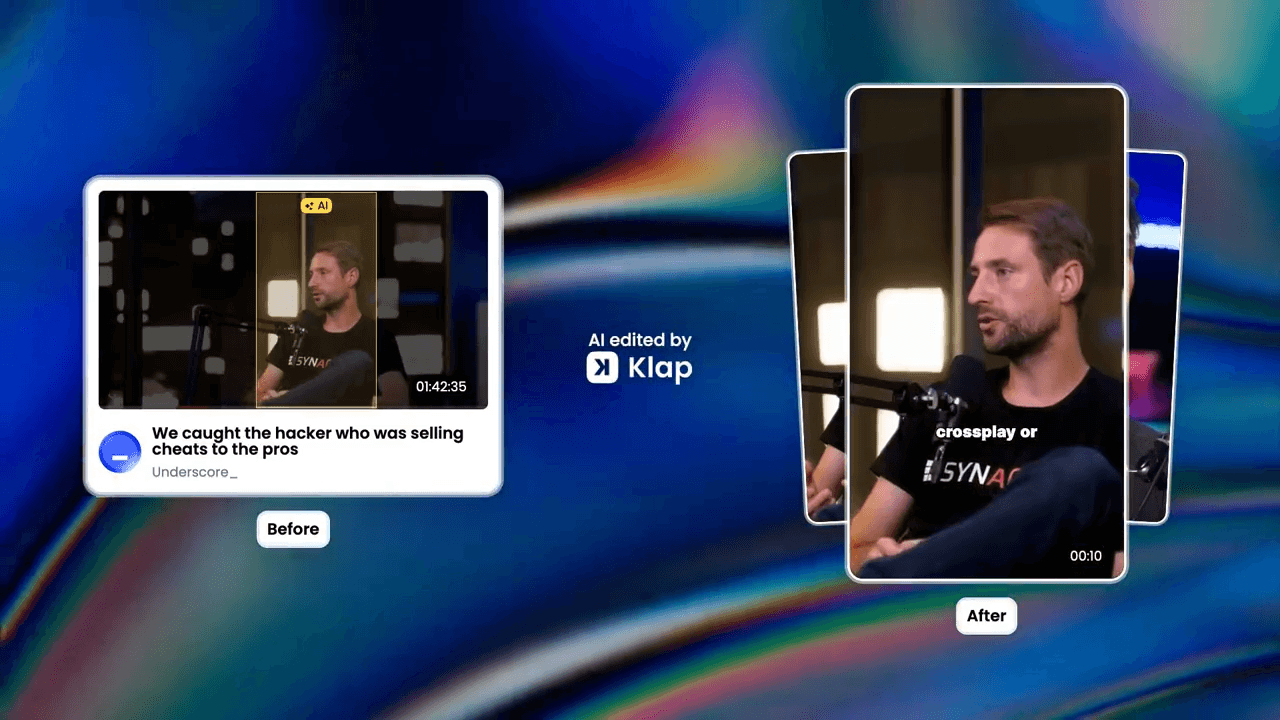
Klap automates this process. Its AI instantly identifies the best moments and reframes them into polished vertical Shorts, turning audience interaction into a steady stream of content while saving hours of manual editing.
6. Behind-the-Scenes Process Videos
These videos show how you work, not just what you produce. Unlike before-and-after videos, they reveal your workflow, creative decisions, and the reality behind polished content.
Share your actual environment. Videos like "A Day in My Life as a Video Editor" or "How I Plan a Month of Content in 2 Hours" give viewers insider access to your tools, methods, and thought process. The value comes from seeing how a professional approaches their craft.
This format thrives on authenticity. Viewers want to see coffee breaks, moments of struggle, open browser tabs, and time-saving shortcuts. It answers the question, "what does a typical workday really look like?"
Workflow videos naturally contain multiple discrete tips, making them perfect for repurposing. Klap can automatically identify each technique or key moment in your longer footage and turn them into vertical Shorts ready to post.
Repurpose Your Ideas into Viral Clips with Klap
Every great YouTube video idea you've explored holds even more potential. A single recording session for a "Beginner's Guide" or "Challenge Video" contains dozens of hidden, high-impact moments. Finding and editing these clips manually is tedious and slows consistency.
Klap automates the process by detecting the most engaging segments, such as tutorial steps, transformations, or surprising moments, and reframes them into vertical, captioned Shorts ready to post, letting you focus on one strong core video while multiplying its reach and engagement.
Get started with Klap today (no credit card required) and see how your best YouTube video ideas can effortlessly fuel your entire social media calendar.