A Creator's Guide to the YouTube Video Size Ratio in 2026
Other
For standard horizontal videos, the ideal YouTube video size ratio is 16:9. For vertical Shorts, it’s 9:16. Getting this right from the start is what makes your content look polished and professional, filling the screen perfectly on both desktops and smartphones.
Understanding YouTube's Core Ratios
Getting your video’s shape and size right is the first step toward a professional-looking channel. It really comes down to two things: aspect ratio and resolution. Think of aspect ratio as the shape of your video frame (like a widescreen TV vs. a tall phone screen), while resolution is the number of pixels packed into that shape, which determines its clarity.
When your video’s shape doesn’t match the player, you get those distracting black bars on the sides or top and bottom. It's a dead giveaway of an amateur edit and can hurt your watch time—viewers are 67% less likely to finish a video if it's not optimized for their device. The goal is to make your video dimensions fit YouTube's player seamlessly.
Here's a quick cheat sheet for the most common YouTube video sizes.
YouTube Video Specifications at a Glance
This table breaks down the key specs you'll need for the most common YouTube formats.
Video TypeAspect RatioRecommended Resolution (Pixels)Minimum Resolution (Pixels)
Standard (Widescreen)
16:9
1920x1080 (1080p)
1280x720 (720p)
Shorts (Vertical)
9:16
1080x1920
720x1280
4K (Widescreen)
16:9
3840x2160
N/A
While 720p is the absolute minimum, your actionable insight is to always aim for 1080p (1920x1080 pixels) for a crisp, high-definition look. If you have the ability to shoot and edit in 4K (3840x2160), even better—it provides the best possible clarity and future-proofs your content. You can get more insights on YouTube video sizes to really dial in your quality.
This infographic breaks down the two most important ratios every creator needs to know.

The takeaway is simple: match your video's shape to how people will watch it. Widescreen is for your traditional, long-form videos. Vertical is for mobile-first Shorts. Mastering this basic choice means you’re using every last inch of screen real estate, no matter the device.
Mastering the Standard 16:9 Widescreen Format
The 16:9 aspect ratio is the default for pretty much all standard YouTube content, and for good reason. It’s the native shape of modern TVs, computer monitors, and even your smartphone when you turn it sideways. This means your videos fill the entire screen, creating a clean, professional look without any of those distracting black bars.
If you’re making long-form videos like tutorials, vlogs, or product reviews, this is your go-to format. Actionable insight: Nailing the 16:9 format is the single most important step to making your channel look like you know what you’re doing.
But it's not just about looking good for your viewers. Nailing this widescreen format also sends the right quality signals to the YouTube algorithm.
Aiming for High Resolution
While the shape of your video is 16:9, the clarity comes down to its resolution. My advice? Always record and upload in the highest resolution you possibly can.
High-resolution video often leads to better engagement and longer watch times. Here's a powerful stat: viewers are 33% more likely to feel a video is "high quality" when it's in 1080p or higher. This tells YouTube your content is valuable, which can help it get recommended more often.
For the 16:9 ratio, these are the two resolutions you really need to know:
- 1920x1080 (1080p Full HD): This is the gold standard for most creators. It delivers fantastic clarity and strikes a great balance between video quality and file size, so your uploads won't take forever.
- 3840x2160 (4K): Uploading in 4K is a power move. It gives your videos incredible sharpness and basically future-proofs your content. Even if someone watches on a 1080p screen, YouTube's compression process actually makes the downscaled video look better than a native 1080p upload.
Perfecting the 16:9 format isn’t just a technical checkbox; it's a strategic one. It makes your channel feel more premium and gives you a high-quality master file you can use for everything else. If you ever need help getting your dimensions just right, there are tools that can resize videos for different platforms in just a few clicks.
Winning with Vertical Video on YouTube Shorts
Let's be real—vertical video isn't just another passing trend. It’s a massive shift in how people consume content on their phones, with over 70% of YouTube watch time now happening on mobile devices. YouTube Shorts is the platform’s all-in bet on this mobile-first world, and to win there, you have to embrace the 9:16 aspect ratio.
Think of it like this: a standard 16:9 video is a widescreen movie, but a 9:16 video is a skyscraper that fills an entire phone screen. No black bars, no wasted space—just your content, front and center, demanding attention. For creators, this isn't just a small tweak; it's the key to grabbing a slice of the 70 billion daily views happening on Shorts.

This simple flip from horizontal to vertical can have an explosive impact on your channel's growth. Why? The Shorts algorithm is a discovery engine on steroids, built to push engaging vertical content to fresh audiences at an incredible pace.
The Power of 9:16
The magic formula for Shorts is a 9:16 aspect ratio, with a recommended resolution of 1080x1920 pixels. This combo makes your videos look sharp, professional, and perfectly tailored for the Shorts feed.
A native 9:16 video gives viewers a much more immersive experience than a lazy, cropped horizontal video with awkward black bars. That professional look signals quality, which can lead to higher retention and better signals for the YouTube algorithm. Actionable insight: Channels that consistently post native 9:16 Shorts see up to 2.5x more subscriber growth from that content.
For anyone serious about growing on YouTube in 2026, getting these dimensions right is non-negotiable. The benefits are just too big to ignore:
- Maximum Screen Real Estate: Your video takes over the entire screen, cutting out all distractions and keeping viewers locked in.
- Algorithmic Advantage: You're giving the system exactly what it's designed to promote—content made for the Shorts player.
- Increased Engagement: A full-screen, immersive experience naturally encourages longer watch times, more likes, and more shares.
When you create content in the native 9:16 format, you're not just resizing a video; you're speaking the platform's native language. If you need a starting point, check out our guide on how to create YouTube Shorts from existing video to repurpose your content the right way. It’s one of the smartest and fastest ways to expand your reach.
Dealing With Those Annoying Aspect Ratio Problems
Nothing kills the professional look of a great video faster than seeing ugly black bars on the screen after you upload it. It’s a super common problem, but thankfully, it’s an easy one to fix.
You’ve probably seen them before: pillarboxing (black bars on the sides) and letterboxing (bars on the top and bottom). This almost always happens when there’s a mismatch between your video project’s settings and the final file you export.
Think of it as trying to cram a square photo into a wide, rectangular frame. If you edit your video in a square 1:1 format but export it for a standard 16:9 YouTube player, the platform has to fill in the empty space with black bars. It instantly makes your content look amateurish.
Here's the most actionable tip to fix this: Set your project’s aspect ratio correctly before you even start editing. If your video is destined for standard YouTube, set your project to 16:9 and a resolution like 1920x1080px right from the get-go.
Think of this one step as your insurance policy against the most frequent upload headaches.
How to Prevent Unwanted Cropping
Another frustrating issue is automatic cropping. Sometimes, when you upload a video with a non-standard aspect ratio, YouTube tries to “help” by automatically zooming in to fill the 16:9 player. This can be a disaster, awkwardly chopping off key graphics, text, or even parts of your face.
To get ahead of this, you have two main options inside your editing software:
- Fill: This setting zooms into your video to make it fill the entire frame. It gets rid of the black bars, but it will also crop the edges of your original footage.
- Fit: This option scales your video down so the entire original frame is visible. This guarantees nothing gets cut off, but it will bring back those black bars if the ratios don’t match.
Picking the right one ensures your video shows up exactly how you planned. And this isn't just a YouTube issue; understanding the best Instagram video file formats and export settings is just as important for keeping your content looking sharp everywhere you post.
Taking a moment to double-check your project's youtube video size ratio will save you a ton of frustration and lead to a flawless upload every single time.
Turning Horizontal Videos into Vertical Gold

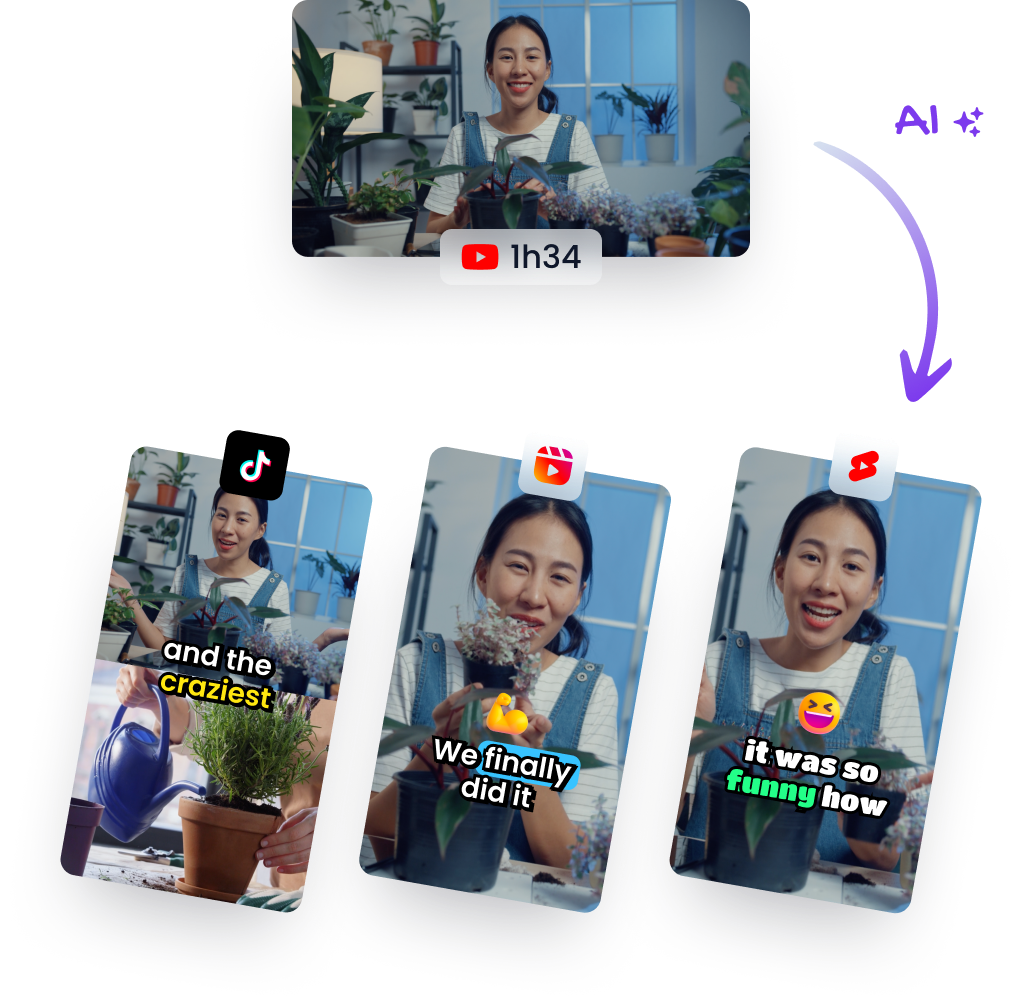
You’re probably sitting on a goldmine of content right now. Every 16:9 video in your library—your tutorials, podcasts, and vlogs—can be repurposed. Instead of shooting new vertical videos from scratch, you can strategically slice up your long-form content into killer 9:16 clips for YouTube Shorts, TikTok, and Instagram Reels.
This is how you multiply your output without multiplying your workload.
But it’s not as simple as just cropping the video. It’s an art. The goal is to find those high-impact, 60-second moments and reframe them for a vertical world, giving them a whole new life.
Reframing for Maximum Impact
When you switch from horizontal to vertical, you have to think about the "safe zone." This is the center portion of that 9:16 frame where you absolutely must keep the speaker’s face, the main action, or any on-screen text. If key details drift to the sides, they get cut off, and the viewer's experience is ruined.
Imagine you're looking at a wide, scenic view, but only through a tall, narrow window. You have to keep panning that window to follow the most important part of the scene. That’s what reframing is.
A common mistake is using a lazy, static center crop. This often cuts off half of a speaker's face or chops away essential graphics. The real key is dynamic reframing—making the "camera" follow the action within the new vertical frame to keep the focus exactly where it needs to be.
This is where AI-powered tools have become a total game-changer for creators. Instead of spending hours tediously keyframing your shots, modern software can do it all for you in just a few clicks.
These tools can:
- Find the Best Hooks: The AI scans your video to pinpoint the most compelling parts that are most likely to grab someone's attention.
- Keep the Speaker Centered: It automatically tracks the main subject, ensuring they’re always perfectly framed in that crucial 9:16 safe zone.
- Add Dynamic Captions: Many tools also auto-generate and style subtitles. This is non-negotiable, since up to 85% of social media videos are watched with the sound off.
By using a smart long-to-short video converter, you can nail your YouTube video size ratio and turn a single horizontal video into a dozen high-performing vertical clips. This is the exact strategy savvy creators use to stay present on multiple platforms at once.
Optimizing Thumbnails and Channel Branding
Your video dimensions are locked in, but your work isn't done. A fantastic video can easily get lost in the noise if it’s paired with a weak, unappealing thumbnail. Think of it as your video's movie poster—it's the single most important piece of marketing you have.
An amazing video with a bad thumbnail is a recipe for zero views. Getting this part right isn't just a good idea; it's essential for anyone serious about growing their channel.
Nail Your Thumbnail and Banner Dimensions
To make sure your thumbnail looks sharp and professional on every device—from a huge 4K TV down to a tiny smartphone screen—you have to get the dimensions right. Just like your standard videos, thumbnails look best in a 16:9 aspect ratio.
YouTube’s official recommendation is a resolution of 1280x720 pixels. This hits the sweet spot, giving you a crisp image that stays under the 2MB file size limit. Actionable insight: 90% of the top-performing videos on YouTube use a custom thumbnail, not a random frame from the video.
But your channel’s branding doesn’t stop with thumbnails. A cohesive, professional look builds trust and gives people a reason to subscribe. You need to dial in two other key visuals:
- Channel Banner: This is the billboard for your entire channel. Aim for a resolution of 2560x1440 pixels. Remember that this image gets cropped heavily on different devices. Keep your logo and key text within the central “safe area” of 1546x423 pixels to ensure it’s always visible.
- Profile Picture: Your icon shows up everywhere: on your channel page, below your videos, and in every comment you leave. Use a square image, ideally 800x800 pixels, which will render cleanly even when it’s shrunk down into a circle.
When these elements work together, they create a strong, professional brand identity. A consistent look across your profile picture, banner, and thumbnails signals to viewers that you're a serious creator, making them far more likely to stick around and subscribe.
Common Questions About YouTube Aspect Ratios, Answered
Even when you know the ideal specs, a few common questions always seem to pop up about YouTube's aspect ratios. Let's clear up some of the most frequent points of confusion for creators.
What Happens If I Upload a Square (1:1) Video?
If you upload a square (1:1) video to the main YouTube feed, it’s going to show up with black bars on either side. This is called pillarboxing, and it happens because the square video doesn't fit the standard 16:9 player.
While square videos can do just fine in the Shorts feed, they look out of place and unprofessional as a regular horizontal video. Your actionable insight here is to always match your video's format to where you plan on posting it for the best results.
Can I Use the Same 9:16 Video for Shorts, Reels, and TikTok?
Absolutely. The 9:16 aspect ratio has become the universal standard for all the major vertical video platforms. This is a huge win for creators.
Creating one high-quality vertical clip at 1080x1920 pixels and sharing it across YouTube Shorts, Instagram Reels, and TikTok is one of the most efficient ways to get your content in front of more people without doing a ton of extra work.
Does uploading in 4K help my video's ranking? While YouTube doesn't outright say "yes," the platform always rewards a great user experience. Uploading in 4K (3840x2160) delivers incredible clarity, which can lead to higher viewer satisfaction and longer watch times—all great signals to send the algorithm.
And to make sure your Shorts grab attention in the feed, it’s worth learning how to edit thumbnails on YouTube Shorts to make them as clickable as possible.
Ready to multiply your content without multiplying your workload? Klap uses AI to find the best moments from your long-form videos and automatically turns them into viral-ready short clips. Get started today at https://klap.app.