The Ultimate YouTube to TikTok Converter Guide for 2026
Other
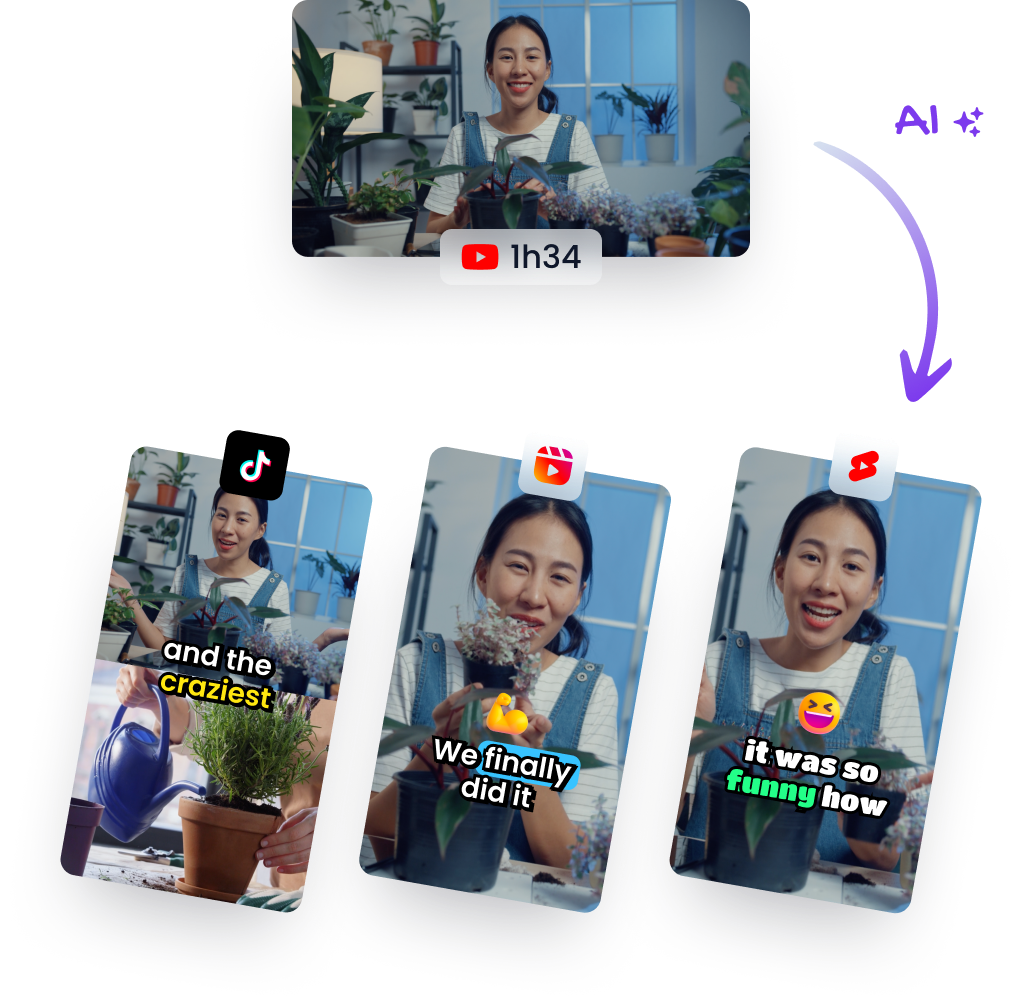
So, what exactly is a YouTube to TikTok converter? Think of it as your personal AI editing assistant that transforms long, horizontal YouTube videos into short, vertical clips ready for TikTok, Instagram Reels, and YouTube Shorts.
These tools are game-changers for creators. They automatically identify the most compelling 30-60 second segments in your videos, reframe them for a 9:16 mobile screen, and add dynamic captions. This process turns what used to be a 4-5 hour editing slog into a job that takes just a few clicks. For any creator sitting on a library of long-form content, this is the most direct path to unlocking explosive growth on short-form platforms.

Why Turning YouTube Videos into TikToks Is a No-Brainer
If you're still only posting on YouTube, you're leaving a huge audience on the table. Repurposing your long-form videos isn't just a time-saver; it’s a core strategy for multiplying your reach and connecting with entirely new demographics. In fact, over 67% of consumers now prefer short-form video, making it a critical channel for visibility.
That single hour-long podcast episode? It's a goldmine. It can be sliced into dozens of 30-second clips, each dropping a powerful insight or a funny outtake. A good YouTube to TikTok converter turns this from a mind-numbing manual task into an efficient, repeatable workflow.
The Power of Content Multiplication
Smart creators don't operate with a "create once, post once" mindset anymore. The new standard is "create once, publish everywhere."
Every repurposed clip becomes a new doorway for viewers to discover you and your brand. A clip that goes viral on TikTok can drive a 10-15% increase in traffic back to your main YouTube channel, creating a powerful growth loop that feeds itself.
A Smarter Workflow, Not a Harder One
The entire point is to work smarter. AI-powered tools like Klap do the heavy lifting by analyzing your video’s transcript and visual cues. They're trained on millions of viral videos to spot the segments with the highest engagement potential—think conversational hooks, emotional peaks, or surprising reveals.
This lets you skip the drudgery of hunting for clips and gets you straight to the good stuff. Instead of being stuck in the editing suite, you can focus your energy on strategy, community engagement, and creating your next great long-form video.
The Numbers Don't Lie
The world of short-form video is exploding, and creators are racing to keep up. There's a good reason for the rush. The data shows just how powerful these platforms are for grabbing attention.
Take a look at how the biggest platforms stack up.
Short-Form Video Engagement at a Glance (2024-2025 Projections)
The table below gives a quick snapshot of average user engagement rates across the leading short-form video platforms, highlighting why TikTok is a powerhouse for creators.
PlatformAverage Engagement Rate (2024)Projected Engagement Rate (2025)
TikTok
2.80%
3.15%
Instagram Reels
1.95%
2.10%
YouTube Shorts
1.10%
1.35%
As you can see, TikTok is leading the pack with a staggering 2.80% average engagement rate in 2024, easily outpacing its competitors. With projections showing it could climb to 3.15% by 2025, it's an undeniable goldmine for virality. You can explore more compelling statistics on short-form video to get the full picture of this trend.
How AI Pinpoints Viral Moments in Your Videos
Think of a modern YouTube to TikTok converter as more than just a cropping tool—it's like having a seasoned producer on your team. This isn't just about slicing up your video. It's about having an AI that has analyzed countless hours of viral content and knows exactly what makes someone stop scrolling and pay attention.
This AI is your secret weapon, digging through your long-form videos to unearth those hidden gems with the highest potential to go viral. It's not just grabbing random 60-second chunks. The technology listens to the audio, reads the transcript, and even watches for visual cues to spot patterns that signal high engagement.
Essentially, the AI is trained to recognize conversational hooks, emotional spikes, interesting questions, and satisfying punchlines—all the things that hook a viewer in the first 3 seconds.
The Magic Behind Smart Clip Selection
So, how does an AI actually know which parts of your video are gold? It’s not just one thing; it's a mix of different analyses all working in sync. The tool breaks your video down and scores different segments based on their potential to go viral on platforms like TikTok.
Here are the key things the AI is looking for:
- Topic Clustering: It figures out the main topics you cover and then finds the most potent, concise clips that nail each point. This is how you turn a 10-minute explanation into a 45-second value bomb.
- Emotional Tonality: By listening to vocal tone and analyzing the words you use, the system can pinpoint moments of excitement, surprise, or humor that really connect with an audience.
- Conversational Flow: The AI identifies natural pauses, question-and-answer exchanges, and strong, definitive statements that can easily stand alone as a powerful mini-story.
Let’s say you upload a one-hour podcast interview. The AI might instantly suggest seven different 30-second clips. One could be the guest asking a really sharp question, another might capture a genuine moment of laughter, and a third could isolate a powerful, quotable insight. This completely eliminates the tedious job of scrubbing through the entire timeline yourself.
To do this efficiently, many creators use AI-powered tools like Opus Clip, which analyze your video and suggest the most compelling snippets for you.
The screenshot above shows just how simple the interface is. You paste a link, and the AI gets to work. The clean design is all about one thing: turning a single video into a batch of ready-to-post clips, making it dead simple even if you have zero editing experience.
Actionable Insight: The real power here is that this technology levels the playing field for creators. You no longer need to be a professional video editor to find and package the best moments from your content for social media.
This automated approach transforms what used to be hours of pure guesswork into a smart, strategic process. Instead of just hoping you found a good clip, you can lean on an AI that truly understands what makes short-form video work.
If you want to explore more ways to put your video creation on autopilot, check out our guide on the AI TikTok video generator for some extra tips.
Mastering the Art of Vertical Reframing

Turning a widescreen YouTube video into a vertical TikTok isn't just about cropping the sides. Anyone who’s tried a lazy crop knows the result: your main subject gets cut out of the frame, and the whole thing becomes a confusing mess. The real magic is in intelligent reframing, and this is where modern YouTube to TikTok converter tools really show their worth.
Instead of just slicing off the edges, these tools use AI to analyze what’s actually happening inside the original 16:9 frame. The tech is smart enough to find and follow faces, making sure the speaker or key person stays perfectly centered in the new 9:16 vertical format.
How AI Keeps the Focus Where It Belongs
Let's say you're clipping a YouTube interview with two people sitting next to each other. A basic crop would either focus on one person or give you a weird, unusable sliver of both. This is where AI-powered reframing completely changes the game.
Using speaker tracking, the tool detects who is talking at any given moment and automatically shifts the frame to follow the conversation. It feels like a professional camera operator is switching between shots, creating a dynamic video that looks and feels native to TikTok—not like a clumsy, repurposed afterthought. This hands-off process keeps the story clear and tells the viewer exactly where to look.
If you want to dig deeper into these kinds of edits, you can learn more about how to resize videos for different platforms and make them pop.
Respecting the TikTok Safe Zones
Another thing that separates the pros from the rookies is understanding TikTok’s "safe zones." The platform's interface—all the buttons, your username, and the caption—takes up a good chunk of screen real estate, especially along the bottom and right side.
Putting important visuals or text in those areas is a classic mistake. An intelligent converter knows this and automatically keeps the main action in the central viewing area, where nothing gets hidden. This simple adjustment preserves the integrity of your clip and stops your key message from getting lost behind the "like" button.
Actionable Insight: Smart reframing is all about making your repurposed content feel like it was shot for TikTok from day one. It guides the viewer's eye, keeps the narrative flowing, and works with the platform’s UI, not against it.
While the AI does an amazing job on its own, it’s always a good idea to give its suggestions a quick once-over. You can easily adjust the framing on any clip to make sure the most important visual element gets the spotlight. That final human touch is what guarantees your video will grab and hold attention—the most valuable currency on TikTok.
Give Your TikTok Clips the Final Polish

So, your YouTube to TikTok converter found the perfect moments and reframed them for vertical viewing. Awesome. But the work isn't quite done. Now it's time to add the final touches that make a clip feel native to TikTok and stop people from scrolling.
First up: captions. With over 85% of social media videos being watched on mute, subtitles aren't just an accessibility feature anymore. They're a core part of holding your audience's attention.
This is where AI-powered captions are a lifesaver. Instead of spending hours transcribing and timing every word, an intelligent tool generates them in seconds with over 95% accuracy. Your only job is to give them a quick once-over to ensure they match your brand’s voice.
Make Your Captions Pop
Let’s be honest, static, boring subtitles are a total vibe-kill on TikTok. To really compete, you need dynamic, animated captions that highlight words as they’re spoken. This little trick keeps viewers’ eyes glued to the screen, making sure your message lands even if their sound is off.
These "karaoke-style" captions can boost watch time by up to 12% and improve viewer retention. They tell the viewer exactly where to focus and make your content look way more professional than the average low-effort upload.
Actionable Insight: The best repurposed clips don't just show what was said; they make the text a core part of the visual experience. This small detail can be the difference between a viewer scrolling past and watching until the very end.
For creators sitting on a goldmine of old YouTube videos, this is huge. A modern AI tool can breathe new life into a 10-minute talk by adding dynamic captions that get people excited about your brand. Tools like Klap not only find the best hooks and reframe your clips but also handle the captions, saving you countless hours.
Quick Edits That Make a Huge Difference
Captions are king, but a few other quick edits can take your clips to the next level. These are the small but mighty details that signal to the TikTok algorithm that your content is high-quality.
- Create the Perfect Loop: Trim the very beginning and end of your clip so it flows seamlessly from the last word back to the first. A perfect loop encourages repeat watches, which is a massive signal to the algorithm.
- Add Trending Audio (Quietly): Find a trending sound on TikTok and layer it underneath your clip at a very low volume (1-5%). This can help your video get shown to a wider audience interested in that sound, without drowning out your actual dialogue.
- Use a Brand Template: If your tool allows for it, create a template with your brand's font, colors, or a subtle logo. This builds brand recognition and makes your content instantly identifiable as viewers scroll.
These edits are fast, but they’re incredibly effective. They transform your content from a simple YouTube cut-down into a clip that feels like it was made for TikTok.
If you want to get even more hands-on with your text, you can explore our dedicated subtitle generator tool for more advanced styling options.
Your Content Publishing Strategy for Virality

You’ve used a YouTube to TikTok converter to pull out the gold from your long-form videos, and now you have a polished clip ready to go. But don't just hit publish and hope for the best. A smart publishing strategy is what separates a video that disappears from one that the algorithm picks up and runs with.
It all begins with a clean export. To make sure your video looks sharp on a phone, always export at the highest quality you can, aiming for 1080p (1080x1920). That crisp resolution is your best defense against the fuzzy, blocky compression that can kill a video's professional feel.
Crafting the Perfect TikTok Post
With your high-quality video in hand, it’s time to build the post. This isn't just about uploading a file; it's about giving TikTok all the right signals to get your content in front of the right people.
First up, your caption. Keep it short and compelling, and put the most important hook right at the start. Weave in keywords that people might search for, but make sure it sounds like you’re talking to a friend, not a search engine.
Next, you'll need a solid hashtag strategy. The goal is to cast a wide net while also attracting your ideal audience. A balanced mix works best.
- Broad Hashtags: Start with 1-2 massive tags like
#fypor#viral. Think of these as a general push into the wider feeds. - Niche Hashtags: Add 2-3 specific tags directly related to your video, like
#publicspeakingtipsor#podcastclips. This is how you find your true fans. - Branded Hashtags: Always include one unique hashtag for your own brand or show. It’s a simple way to build a community around your content.
This combination gives the algorithm a clear map of who needs to see your video.
The Power of Sound and Timing
Sound is a massive factor on TikTok. The algorithm loves to push videos that use trending audio, and there’s a clever way to take advantage of this.
Find a popular sound and layer it under your clip’s original audio. Just turn the volume way down—somewhere between 1-5%. It’s a simple trick that can give your clip a serious algorithmic boost without overpowering your actual message.
Finally, think about when you post. Don’t just upload whenever you have a spare moment. Dive into your TikTok Analytics, find the "Followers" tab, and look for the days and hours when your audience is most active. Posting during these peak times gives your video the best possible start.
Actionable Insight: Think of your publishing strategy as the launchpad for your content. You’ve done the hard work of creating and editing; this final checklist ensures your clip has the best possible chance to take off.
Knowing the platform you're on is key to seeing a real return. While YouTube Shorts is a giant, TikTok provides unique advantages, especially for sales. For anyone turning webinars or product demos into clips, TikTok’s 0.46% e-commerce conversion rate is a powerful motivator. Add the fact that 38% of users have bought something they saw on the app, and the opportunity becomes clear. You can discover more insights about their usage statistics on SQ Magazine to see how the platforms really stack up.
Common Questions About Converting YouTube Videos
Even with a great tool ready to go, you probably have a few questions swirling around. It's smart to be cautious, especially when it comes to things like copyright and getting the most out of your time.
Let's clear up the common worries and technical questions we hear from creators all the time.
Can I Get a Copyright Strike for Posting My YouTube Videos on TikTok?
This is probably the biggest worry we see, but the answer is refreshingly simple: no, you won't get a copyright strike for posting your own content. You are the creator, which means you own the copyright to your original YouTube video.
That gives you the full right to chop it up, repurpose it, and share it on TikTok, Instagram, or anywhere else. Copyright problems only arise when your video includes stuff you don't own the rights to, like popular music or uncleared movie clips. Using a tool like Klap to repurpose your original work is completely safe and a standard part of the workflow for most successful creators.
How Long Should My TikTok Clips Be?
TikTok lets you post longer videos now, but don't fall into that trap. The sweet spot for keeping viewers hooked is almost always between 15 and 60 seconds. Honestly, a huge number of viral hits are under 30 seconds.
The real goal isn't to hit a certain time—it's to tell a complete mini-story or deliver one solid, memorable point. This is where a good AI converter shines, by spotting those tight, high-impact moments for you. It's always better to share a powerful 20-second clip that gets straight to the point than a 60-second one that makes people swipe away.
Is a Dedicated AI Converter Better Than a Free Online Tool?
Look, a free online tool can do a simple crop and trim. But that's where it ends. They don't have the intelligence to actually understand your content, find the moments most likely to go viral, or automatically reframe the video to keep the speaker perfectly in view.
Actionable Insight: An AI-powered converter is an investment in quality and, more importantly, your time. It handles the most tedious, soul-crushing parts of the job for you—finding the clips, reframing the shot, and adding captions. The final product is just so much more polished and engaging.
For any creator who's serious about growing their audience, the time you get back and the superior quality of the clips make the investment a no-brainer. To make sure you’re getting the most bang for your buck, you can find detailed comparisons and reviews of the best TikTok automation software available today.
How Many TikTok Clips Can I Create from One YouTube Video?
This really comes down to how much value you packed into your original video. A dense, information-rich 10-minute YouTube video can easily be turned into 10-15 amazing short clips.
On the flip side, a rambling, hour-long podcast interview might give you 20-30 or more shareable moments. The goal isn’t to squeeze out the maximum number of clips, but the maximum number of valuable clips. A quality YouTube to TikTok converter will help you identify the best segments, giving you a deep well of content to pull from for weeks—all from just one long video.
Ready to stop wasting hours on manual editing and start multiplying your content? Klap uses AI to turn your long videos into viral-ready short clips in minutes. Paste your YouTube link and see the magic for yourself at https://klap.app.