Webinar Marketing Tips: Boost Engagement & ROI in 2026
Other
Email still does the heaviest lifting in webinar promotion, as noted earlier, but registrations alone do not tell you whether the campaign is healthy. Visionary Marketing's 2026 webinar statistics put the median registration-to-attendance rate at 38.4%, which means a large share of interested prospects never make it to the live session.
That gap shapes the job. A webinar program has to do more than collect signups. It needs a clear pre-launch plan, a live experience that keeps people engaged, and a post-event workflow that turns one recording into clips, quotes, follow-up assets, and replay traffic.
The teams that get consistent results treat webinars as a full-cycle content system.
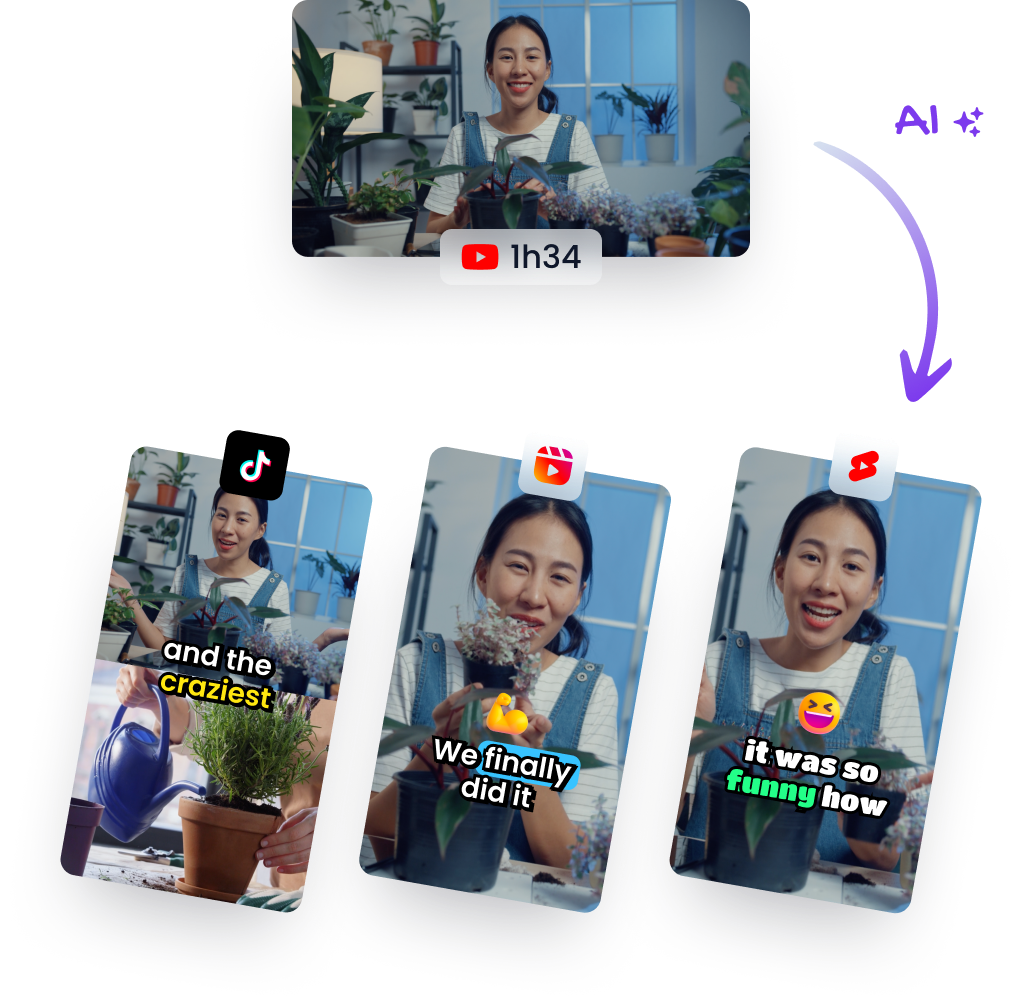
That changes how promotion works in practice. Teaser clips can warm up cold audiences before registration opens. Live chat prompts, polls, and timed calls to action can hold attention during the event. After the session, strong moments from the recording can be cut into short-form videos, quote cards, and speaker sound bites, then processed through tools like Klap to speed up editing and distribution without turning the workflow into a manual grind.
The trade-off is straightforward. A single launch email is faster to ship, but it leaves reach, attendance, and replay value underused. A lifecycle approach takes more planning up front, yet it gives you more chances to earn the registration, improve show-up rates, and keep getting value from the webinar after the live date ends.
These 10 webinar marketing tips cover that full process, from pre-event teasers to post-event repurposing and performance analysis, with concrete ways to improve registration volume, live participation, and return on each webinar you run.
1. Repurpose Webinar Recordings into Short-Form Social Clips
Most webinar teams treat the recording like an archive. That's a waste. The recording is the raw material for your next wave of reach, especially now that 73% of consumers prefer learning via short-form video over live events, according to WebinarNinja's webinar marketing guide.

A webinar recording gives you several clip types if you cut it intentionally. A SaaS team can pull a product demo moment into a vertical feature explainer. An agency can isolate a client success lesson. An educator can turn a sharp Q&A answer into a fast teaching clip for Reels, TikTok, or Shorts.
What to pull first
Start with moments that make sense without the full webinar context. Good examples include a surprising insight, a clean answer to a common objection, or a punchy “did you know?” segment from the speaker.
- Hook clips: Pull the opening insight or the first strong point that creates curiosity about the full replay.
- Standalone answers: Turn audience questions into short conversational clips with one takeaway each.
- Prediction moments: Isolate expert commentary that feels timely enough to share on its own.
- Next-step clips: Add a simple end screen that points viewers to the replay or the next registration page.
Practical rule: If a clip needs a two-sentence setup to make sense, it's probably not your first clip.
Klap fits this workflow well because it's built to turn long-form video into vertical short clips with reframing, captions, and quick edits. For teams working from webinar archives, that matters. The biggest bottleneck usually isn't ideas. It's the editing time between “we have a recording” and “we have assets ready to post.”
2. Strategic Multi-Platform Distribution Schedule for Webinar Clips
One clip posted once isn't distribution. It's a test. Webinar promotion works better when you spread adapted versions of the same core moment across platforms and across the week.
Email still does most of the registration heavy lifting, but social clips support the funnel by warming cold audiences, reminding past viewers, and giving your sales team something current to share. I've seen B2B marketers get better results when they stop treating LinkedIn, Instagram, YouTube Shorts, and TikTok as one channel with four logos.
Match the clip to the platform
A consultant promoting a weekly webinar might use LinkedIn for direct insight clips, Instagram Reels for stronger visual hooks, and YouTube Shorts for evergreen educational snippets. The content can come from the same webinar section, but the framing should change.
For example, a B2B SaaS company might post:
- LinkedIn version: A speaker clip with a direct business takeaway and a registration CTA in the post copy.
- Instagram version: A faster edit with bold captions and a simpler “save your seat” close.
- YouTube Shorts version: A searchable title built around the topic pain point.
- TikTok version: A more opinionated cut that opens with a contrarian line.
Use your own platform analytics to decide timing. General rules help, but audience behavior matters more than generic “best times to post” advice. If your fitness audience engages in the morning and your consultant audience engages after meetings, schedule accordingly.
Build a staggered release rhythm
Instead of dropping every clip at once, sequence them. One strong webinar moment can become several edits released over multiple days. That keeps the event visible without repeating the exact same asset.
Spread the same idea through different formats, not the same file through different apps.
What doesn't work is posting identical clips with identical captions on every channel and expecting each audience to react the same way. People don't consume content the same way across platforms, and webinar marketing tips that ignore that usually stay theoretical instead of useful.
3. Create Teaser Clips Before Live Webinar Launch
Registration spikes before the event only happen when the promo gives people a specific reason to care now. Teaser clips do that job best when they surface one sharp idea, create a knowledge gap, and end before the full explanation.
The strongest pre-launch teasers usually come from material you already have. Pull from a past webinar, podcast interview, panel, customer call, or conference talk featuring the same speaker or topic. If an upcoming webinar includes a product strategist, publish a 20 to 30 second clip that shows how they diagnose the problem, not the full solution. That gives prospects a preview of the speaker's thinking without spending the insight too early.
A simple three-part sequence works well because each clip has one role:
- Credibility teaser: Show the speaker saying something precise enough to prove expertise.
- Insight teaser: Share one useful observation, then stop before the framework or process.
- Final push teaser: Tie the clip to the live session and make the cost of missing it clear.
This sequence gives your team a practical production workflow too. One editor can cut all three assets in a single session. If you use Klap or a similar AI clipping workflow later in the campaign, label these assets by stage so you can compare which type drives registrations, watch time, and reminder clicks.
The trade-off is restraint. Teams often overload teaser clips with too many benefits, too much branding, or a full lesson compressed into 30 seconds. That usually weakens the result. A teaser has one job: make the right viewer think, “I need the rest of this.”
Here's the difference in practice.
Stronger teaser:
“Many teams track webinar signups. Far fewer know which viewer actions correlate with pipeline. We're breaking down those signals live.”
Weaker teaser:
“Join us for an exciting webinar covering trends, tactics, tools, examples, and more.”
The first version creates tension around a concrete problem. The second sounds broad, generic, and easy to ignore.
Timing matters here, but rigid posting formulas are less useful than campaign rhythm. Pair teaser clips with your email pushes and registration windows. In most B2B programs, that means releasing the first teaser early enough to frame the problem, the second when registrations start to slow, and the final clip in the last stretch before the event. That sequence keeps attention building instead of burning out on day one.
A good teaser should feel incomplete on purpose. That is what gets the click, the signup, and the live attendance.
4. Leverage Expert Quotes and Sound Bites as Standalone Clips
Some webinar moments deserve to live on their own. A sharp sentence from a founder, analyst, customer, or panelist can travel farther than a polished event promo because it feels more human and more specific.
This format works best when the speaker says something clear enough to stand without explanation. Executive roundtables often produce those moments. So do Q&A sections, especially when a guest answers a hard question directly.
Choose clips with friction, not fluff
The most shareable sound bites usually have one of three qualities:
- Contrarian angle: The speaker challenges a common belief.
- Compressed expertise: A complex idea is reduced to one usable line.
- Emotional clarity: The speaker says what the audience already feels, but better.
Keep the speaker on camera when possible. Static quote cards still have a place, but on-camera delivery usually carries more authority. People share faces more than branded rectangles.
A useful workflow is to cut three versions from one quote. Make a longer version for LinkedIn, a shorter cut for Reels or Shorts, and a static image version for email follow-up or speaker amplification. That gives your team options without forcing fresh creative every time.
Turn quote clips into follow-up assets
Quote clips also work after the webinar. If a guest speaker delivered a memorable line, send them a clean export and a suggested caption they can share with their audience. That small operational step often matters more than writing a “please promote this” email.
What doesn't work is filling your feed with motivational fragments that have no tie to the webinar topic. Standalone clips still need a job. They should drive replay views, boost authority, or create a path to the next event.
5. Build Sequential Clip Series to Drive Webinar Registration Momentum
A single clip can spark interest. A short series builds intent. If your webinar teaches a process, break that process into a sequence and publish it as a set of connected episodes.
An e-commerce brand can turn one sales webinar into a five-part series on offer structure, landing pages, objections, follow-up, and retention. A training company can split one methodology into chapter-style clips that each solve one problem but clearly belong to a larger framework.
Design the series so each clip can stand alone
Many teams often get this wrong. They create a sequence that only works if viewers saw clip one first. Social platforms don't guarantee that.
Each clip should do two things:
- Deliver one useful point: The viewer should get value even out of order.
- Create forward motion: The ending should hint that the next part deepens the topic.
For example, a consultant might end part two with “the messaging issue isn't the bottleneck. The handoff is.” That naturally sets up the next clip without sounding forced.
If you want stronger attendance from the people who register after seeing that sequence, reminders matter as much as promotion. A structured reminder cadence can boost attendance by up to 20 percentage points, according to ZoomInfo's webinar metrics guide. Don't build clip momentum and then waste it with one confirmation email.
Use stronger CTAs later in the sequence
Early clips can stay educational and curiosity-led. Later clips should get more direct. By the end of the series, viewers should know exactly what the webinar covers, who it's for, and why showing up live is worth their time.
That progression feels natural because it mirrors audience behavior. Audiences don't register after the first touch. They register when repeated exposure makes the value clear.
6. Optimize Captions and Text Overlays for Higher Retention and Accessibility
Captions aren't decoration. They're part of the edit. On short-form webinar clips, weak captions can bury a good insight.
If a clip is meant for mobile, design it for mobile. That means readable text, clean pacing, and visual emphasis on the few words that carry the message. Product names, key phrases, and important terms should stand out immediately.

What strong captioning actually looks like
Good caption styling helps the viewer follow the argument without fighting the screen.
- Readable placement: Keep captions low enough to feel natural but high enough to avoid UI overlap on Shorts and Reels.
- Intentional emphasis: Highlight product names, outcomes, or topic keywords in a contrasting color.
- Paced line changes: Give people enough time to read before the next line replaces it.
- Speaker labels: Add names when multiple guests appear so viewers can track the conversation.
Klap is useful here because it handles caption generation and mobile reframing in the same workflow. That's important for webinar marketers because a decent transcript alone isn't enough. You need captions that are accurate and visually usable inside a vertical format.
Retention starts in the first seconds
The first line of on-screen text should reinforce the hook, not repeat a generic title. “Webinar replay clip” tells the viewer nothing. “A common misreading of this signal” creates immediate tension.
Clean captions don't just make clips accessible. They make them watchable.
What doesn't work is over-designing the video until the text competes with the speaker. If every word animates, nothing feels important.
7. Partner with Influencers and Guests to Amplify Webinar Clip Reach
Guest distribution is one of the fastest ways to extend webinar reach, especially when the webinar includes a credible operator, creator, partner brand, or customer. The key is making sharing easy enough that the guest does it.

Too many teams ask speakers to “spread the word” and attach a registration link. That creates work for the guest. A better move is to send a finished package: a vertical clip, a square version if needed, a sample caption, and the exact registration or replay link.
Build co-branded assets they'll want to post
A speaker is more likely to share a clip if it visibly features them and if the edit respects their voice. Put their name on the frame. Use a clean opener. Don't bury them under your brand styling.
This works for more than influencers. B2B software companies can ask customer guests to share clips about the problem they solved. Conference organizers can arm keynote speakers with quote clips. Coaches can swap teaser assets with partner experts before launch.
- Direct download files: Don't make people rip assets from another platform.
- Light co-branding: Include both brands without making the clip look like an ad.
- Suggested copy: Give busy guests a caption they can post with minimal edits.
- Fast follow-up: Sharing energy fades quickly, so send the package soon after the webinar.
If your team needs stronger partner mechanics, it helps to choose the right influencer marketing course so outreach, packaging, and incentives don't stay improvised.
Partnership works best when the topic is shared
The guest should gain something from the clip too. More visibility, stronger positioning, or traffic to their own work. If the webinar is clearly one-sided, the clip usually won't travel far through partner channels.
8. Create Interactive CTAs and Engagement Hooks in Clip Endings
Interactive webinars convert better than passive ones. The clip ending should reflect that by asking for one clear action that matches the viewer's intent.
A weak ending tacks on “register now” after a useful excerpt. A stronger ending turns the last few seconds into a small decision point. Ask a question people can answer in comments. Cut the clip just before the payoff and point to the full webinar for the walkthrough. Or name the exact outcome they'll get by showing up live.
The best CTA depends on the webinar format and the stage of the campaign.
- Question CTA: Best for education-led clips. Example: “Which part of your follow-up process breaks first?”
- Urgency CTA: Best for live events with a firm date. Example: “Join Thursday's session before registration closes.”
- Value CTA: Best for problem-aware audiences. Example: “Register to get the 3-step framework behind this result.”
- Curiosity CTA: Best for teaser clips. Example: “We cut the clip before the fix. Watch the full session for the implementation.”
Keep the ask singular. If the last frame tells viewers to comment, follow, click, and share, response drops because the choice is doing too much work.
This also connects to the full webinar lifecycle. The ending on a teaser clip should push registration. The ending on a post-event clip should push replay views, demo requests, or the next asset in your nurture sequence. If you use Klap or a similar workflow to spin one webinar into multiple short clips, rewrite the CTA for each asset instead of copying the same closing line across every version.
A practical setup is simple. Put the CTA in the final 3 to 5 seconds, add on-screen text for silent viewers, and make the payoff specific. “See the full teardown” beats “don't miss it” because it tells people what happens next.
One more trade-off matters. High-curiosity endings can raise watch time, but if they get too vague, click quality falls. Clear-value endings usually bring fewer empty views and stronger registration intent.
9. Use Trending Sounds and Hashtags to Increase Algorithmic Discoverability
Trending audio and hashtags can help webinar clips travel beyond your existing audience, but only if they fit the content. Forced trend-chasing makes B2B clips look awkward fast.
A wellness brand can pair a motivational webinar insight with audio that already has momentum. A creator teaching business tactics can use a current format to frame a strong opinion. A software company can use a lighter trend on TikTok while keeping LinkedIn more direct and professional.
Use trends as packaging, not as the message
The webinar insight has to remain the center of the clip. Trending audio should support the framing, not overpower the point.
A practical approach:
- Check trends weekly: Look inside TikTok Discover and Instagram's editing tools for current audio patterns.
- Keep relevance first: If the sound fights the tone of the clip, skip it.
- Mix hashtags: Use a few trend-oriented tags and a few niche tags tied to the webinar topic.
- Watch competitor patterns: See how adjacent creators package educational clips without copying their style.
A trend can increase reach. It can't rescue a weak clip.
This is one of those webinar marketing tips where restraint matters. You don't need every short clip to look native to entertainment culture. You need it to feel native to the platform while still sounding like your brand.
Don't let trends dilute intent
If the topic is serious, keep the delivery clean. The purpose of a webinar clip is still to move viewers toward a registration, replay, or deeper piece of content. Discoverability is useful only when the people discovering the clip are likely to care about the webinar itself.
10. Measure and Optimize Clip Performance for Maximum Webinar Registration ROI
High view counts often hide weak performance. The clip that gets the most reach is not always the clip that brings in qualified webinar registrants, live attendees, or pipeline.
Start with one question: which clips produce people who reliably show up and engage? As noted earlier, webinar attendance quality matters as much as registration volume. A clip that attracts curiosity clicks but low-intent signups can make the campaign look healthy while lowering live attendance rates and muddying post-event analysis.
The fix is a tighter measurement setup. Tag every clip by topic angle, speaker, platform, CTA, and publish date. Add UTMs that carry through to your registration page, then map those values into your CRM or webinar platform. If you use AI tools such as Klap to generate multiple cutdowns from one webinar, keep each output tied to a distinct source label so you can compare formats instead of lumping them together.
Measure clip quality at three stages
A useful scorecard tracks performance across the full webinar lifecycle, not just the social post.
- Pre-registration: Hook rate, watch time, click-through rate, and landing page conversion rate
- Registration to attendance: Show-up rate, reminder email engagement, and source-level no-show rate
- Post-event value: Replay views, minutes attended, poll responses, demo requests, or influenced opportunities
According to The Ultimate Playbook to Use Webinars on Substack, minutes attended, poll responses, and replay views are stronger buying signals than raw attendance alone. That matches what many teams see in practice. The shortest path to bad reporting is giving full credit to a clip that drove registrations from people who never intended to attend.
Run controlled tests, not random edits
Change one variable at a time and keep the rest stable for a full testing window.
- Topic angle: Pain point framing versus outcome framing
- Speaker format: Founder clip versus customer clip
- Edit style: Fast cold open versus context-first intro
- CTA wording: “Save your seat” versus “Watch the full session live”
- Clip length: 20 to 30 seconds versus 40 to 60 seconds
Social metrics and webinar metrics often pull in different directions. A broader, curiosity-driven clip may increase views and lower cost per click, while a narrower, more specific clip may deliver fewer clicks but stronger attendance and better follow-up quality.
One example. A B2B SaaS team posts two teaser clips from the same webinar. Clip A uses a broad industry hook and gets strong reach on LinkedIn. Clip B opens with a concrete problem, shows a product screen in the first few seconds, and closes with a direct registration CTA. Clip A wins on impressions. Clip B wins on registrations, live attendance, and replay completion. Clip B is the asset worth scaling.
Review results at the clip level every week during promotion, then again after the webinar once attendance and replay data settle. That feedback loop is what improves the next round of teaser clips, live-event highlights, and post-webinar repurposing.
10-Point Webinar Clip Strategy Comparison
Strategy / Clip TypeImplementation Complexity 🔄Resource Requirements ⚡Expected Outcomes 📊Ideal Use Cases 💡Key Advantages ⭐
Repurpose Webinar Recordings into Short-Form Social Clips
Moderate, automated extraction with some manual curation
AI clip-extraction tools, captioning, vertical templates
Reach +300–400%; ~34% CTR to full webinar
SaaS demos, agency case studies, educational Q&A
Extends reach, reduces edit time, multiplies touchpoints
Strategic Multi-Platform Distribution Schedule for Webinar Clips
High, platform-specific edits and staggered timing
Scheduling tools, analytics, platform know-how
Registrations ≈2.5x vs single-platform posting
Brands with varied audiences (B2B, fitness, consultants)
Maximizes visibility; enables A/B testing across platforms
Create Teaser Clips Before Live Webinar Launch
Moderate, requires advance planning (1–2 weeks)
Content prep, countdown overlays, registration links
Teasers generate 40–60% of pre-event registrations
Pre-event promotion to build FOMO and early sign-ups
Builds authority, drives early registrations, boosts attendance
Leverage Expert Quotes and Sound Bites as Standalone Clips
Low–Moderate, automated detection + selective curation
Quote extraction, branded templates, speaker visuals
2.8x more shares; 1.9x more comments vs standard promos
Thought leadership, executive/analyst webinars
Highly shareable; positions speakers as authorities
Build Sequential Clip Series to Drive Registration Momentum
High, narrative planning and sequencing required
Storyboard, consistent branding, scheduled releases
Registrations +55–70% vs one-time promotion
Multi-step processes, educational/training webinars
Sustains interest; creates multiple conversion points
Optimize Captions and Text Overlays for Retention & Accessibility
Moderate, caption editing and design decisions
Captioning tools, translation resources, UX testing
Watch-through +22%; CTR +18%; Reach +30%
Accessibility-focused, international, data-heavy content
Improves retention, accessibility, and SEO discoverability
Partner with Influencers and Guests to Amplify Reach
Moderate–High, relationship and co-brand coordination
Outreach, share packages, co-branded assets, incentives
Speaker-shared clips reach ~3.5x more; regs +2.1x
Conferences, customer advocacy, industry partnerships
Leverages credibility and organic amplification
Create Interactive CTAs and Engagement Hooks in Clip Endings
Moderate, CTA testing and placement optimization
CTA overlays, A/B tests, conversion tracking
Clip→registration conversion +35–50% with proper CTAs
Conversion-focused webinars (coaching, product launches)
Increases conversion; drives engagement before CTA
Use Trending Sounds and Hashtags to Increase Discoverability
Low–Moderate, trend monitoring and contextual selection
Trend research, sound library access, hashtag strategy
Views +30–45% (sounds); Reach +60–80% (hashtags)
TikTok/Instagram-first campaigns aiming for virality
Boosts algorithmic reach and organic discovery
Measure and Optimize Clip Performance for Maximum ROI
High, analytics integration and attribution work
Unified dashboard, A/B testing framework, analyst time
Conversion ↑2.4x in 4–6 weeks; top 20% clips ≈70% regs
Data-driven teams optimizing marketing ROI
Identifies high-converting assets and justifies spend
Putting It All Together: Your Webinar Growth Engine
Webinars work best when you stop treating them like isolated events. The strongest programs run as a loop. Teaser clips bring in attention. Email converts that attention into registrations. Reminder systems protect attendance. Interactive delivery improves CTA response. Replay clips and short-form repurposing extend the lifespan of the content long after the live date passes.
There's a reason this matters. The median registration-to-attendance rate has fallen compared with earlier years, and audience attention is more fragmented than it used to be. You can't rely on one landing page, one email blast, and a recording link sent afterward. The teams getting more from webinars build systems around both the live session and everything that happens before and after it.
The practical workflow is straightforward. Start with one webinar topic that already performs well in sales calls, demos, or customer education. Build a short teaser sequence around that topic. Push registrations through email because that's still the primary signup channel. Use a structured reminder cadence and calendar invites to protect attendance. During the session, add polls, chat prompts, and clear CTAs so the event doesn't become passive background content.
After the webinar, don't let the recording sit untouched. Cut Q&A moments, objections, bold quotes, and key teaching points into vertical clips. Publish them in a staggered schedule across the channels your audience uses. Hand speakers and partners co-branded clips that are easy to share. Track which edits produce registrations, which ones lead to higher-quality attendance, and which moments keep working as replay content.
Klap becomes especially useful. Webinar teams usually don't struggle with finding material. They struggle with turning that material into publishable assets at a pace the market rewards. Klap shortens that gap by helping you turn long-form webinar video into social-ready clips with captions, reframing, and fast editing steps built for TikTok, Reels, and Shorts. That makes the repurposing side of webinar marketing less of a production project and more of a repeatable workflow.
Use these webinar marketing tips as an operating system, not a checklist you skim once. Pick two or three to implement first if your process is still basic. Then add the rest as you get cleaner tracking and better creative habits. Over time, each webinar becomes easier to fill, easier to extend, and easier to justify because it keeps producing content, engagement, and pipeline after the live event ends.
If you already have webinars, podcasts, interviews, or YouTube videos sitting in a library, Klap helps you turn them into social-ready short clips fast. Upload or link a long-form video, let the AI find strong moments, review the reframed vertical cuts with captions, and export assets for TikTok, Reels, and YouTube Shorts. It's a practical way to turn every webinar into more reach without adding hours of manual editing.