Video Content Marketing Strategy: A Practical Guide That Converts
Other
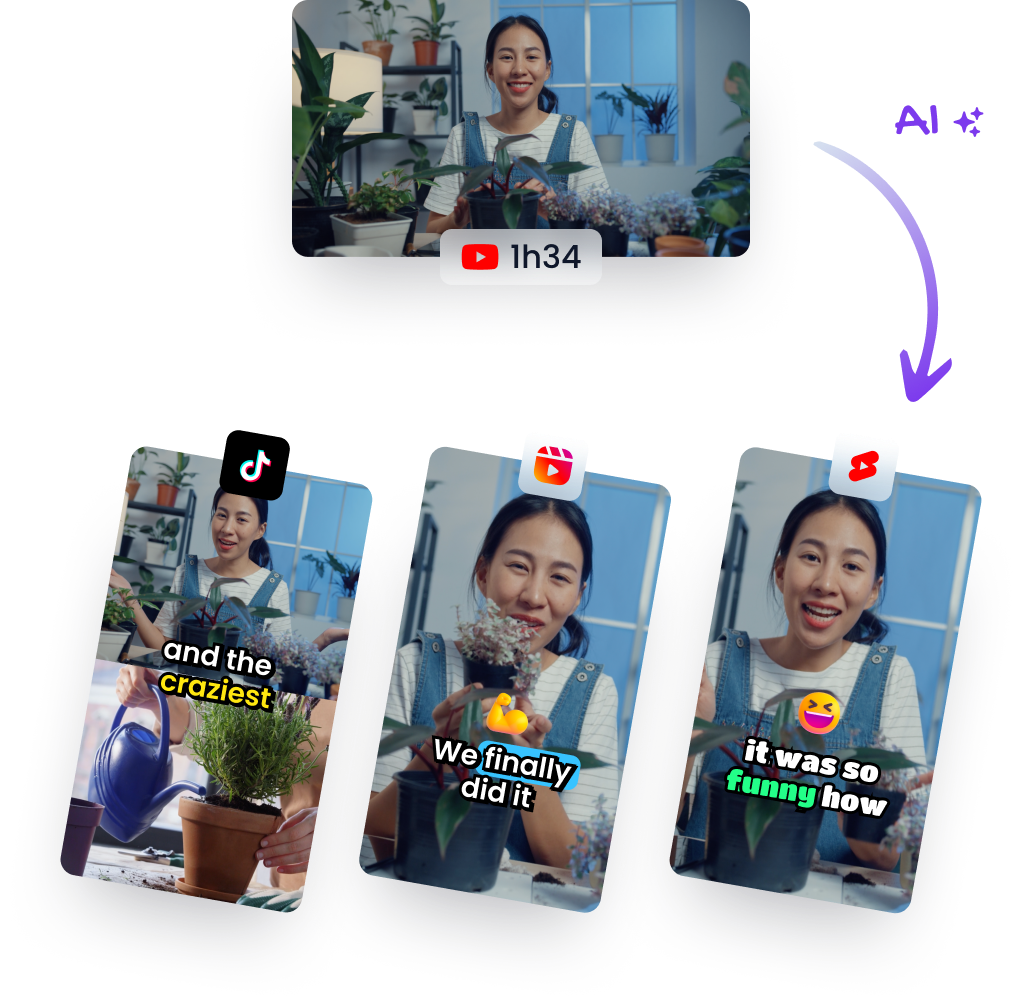
So, what exactly is a video content marketing strategy? Think of it as your blueprint for creating, sharing, and measuring video content that genuinely connects with your audience. It's about shifting from random video posts to a repeatable system where every clip you produce is tied to a clear business goal, whether that's growing your brand's reach or generating qualified leads.
Why Your Video Content Strategy Matters Now

Let's be direct: video isn't just another tool in your marketing toolbox anymore. It's the primary way people consume information and engage with brands online. With the meteoric rise of platforms like TikTok and Instagram Reels, a video-first approach has become non-negotiable for any business that wants to stay relevant.
But simply hitting "record" isn't a strategy. A solid plan is a crucial part of any effective social media and content strategy, giving your marketing real purpose and direction. It’s what separates brands that just make videos from those that build an engine to consistently attract, engage, and convert viewers into loyal customers.
The Unstoppable Rise of Video
The numbers speak for themselves. Wyzowl reports that 91% of businesses now use video as a marketing tool. This wave is largely powered by short-form content, where viewer engagement has skyrocketed on platforms dominated by quick, catchy clips.
This guide isn't about adding more to your plate. Instead, we’re going to give you an actionable plan to build a sustainable video engine for your brand by working smarter, not harder. The key? Repurposing your long-form content.
The core idea is simple but incredibly powerful: Create one cornerstone piece of content—like a podcast or a webinar—and then systematically slice it into dozens of high-impact short clips. This approach makes a high-volume video strategy feel completely achievable, regardless of your team's size or budget.
This method transforms content creation from a constant grind into a well-oiled machine. You'll have a never-ending stream of relevant clips ready for platforms like TikTok and YouTube Shorts. If you want to dig deeper into which platform is right for you, check out our breakdown of TikTok vs YouTube Shorts.
Know Your "Why" and Your "Who"
Every great video content marketing strategy starts long before you ever hit the record button. It begins with two fundamental questions: Why are we making this, and who are we making it for?
If you can’t answer those, your videos are just adding to the noise. They’ll float around in the digital ether, hoping someone stumbles upon them. We don't want to hope; we want a plan.
Set Goals That Actually Matter
Your goals will dictate every creative decision you make. A video designed to generate qualified leads looks completely different from one meant to boost brand awareness. Vague targets like “get more views” won’t cut it—we need to tie our efforts to tangible business outcomes.
So, what do you really want to achieve? Are you trying to increase product demo sign-ups by 20% this quarter? Or is the goal to grow your email list by 500 subscribers through a link in your video descriptions?
Here are a few actionable goals to get you thinking:
- Boost Brand Awareness: The goal here is to create content so entertaining or helpful that people feel compelled to share it. You'll measure success through reach, impressions, and share count. A tech company, for instance, could create a slick, animated explainer that simplifies a complex concept.
- Generate Qualified Leads: These videos need to offer a fair value exchange—like a free guide or webinar access in return for an email address. Your key metric is the lead form conversion rate.
- Increase Sales and Conversions: This is where you show, not just tell. Get straight to the point with product demos, customer testimonials, and case study videos that prove your product's value. You’ll measure success by tracking click-through rates (CTR) to your product pages and, of course, sales.
Figure Out Who You're Talking To
Once you know your "why," it's time to lock down your "who." Who are you trying to reach? Understanding their pain points, what they find interesting, and where they spend their time online is absolutely critical. Don't guess. Dig into your Google Analytics, survey your best customers, and browse forums like Reddit or Quora to see what questions they're asking.
I always recommend creating a video-specific persona. This goes beyond basic demographics. Think about their content consumption habits. What makes them stop scrolling? What tone of voice resonates with them?
For example, if you're targeting busy project managers, they likely don't have time for a 10-minute video. They'd much rather see a 90-second "how-to" on LinkedIn that solves a specific problem they're facing right now. A younger audience on TikTok, however, is looking for something else entirely—they’ll respond better to a funny, trend-driven video that showcases your brand’s personality.
This level of audience understanding is what separates content that gets ignored from content that connects. It ensures every video you create has a clear purpose and lands with the right people.
Build Your Content Pillars and Workflow
This is where your high-level goals become a concrete action plan. A killer video content marketing strategy isn't about jumping on every trend. It’s about building authority in a few core areas that matter to your audience.
These are your content pillars: the foundational topics your brand will own. Think of them as the flagship shows on your own content network.
Instead of brainstorming random ideas, start by defining three to five pillars that address your audience's biggest challenges and align with your expertise. If you're a financial software company, your pillars might be "Small Business Budgeting," "Scaling with Automation," and "Tax Season Prep." From now on, every video you create should tie back to one of these pillars. This focus helps your audience see you as the go-to expert.
This approach doesn't just simplify your content calendar; it builds a cohesive brand story. As the diagram below shows, a solid strategy flows directly from clear goals and a deep understanding of your audience.

You can see how everything connects. Clear planning upfront makes the strategic execution almost effortless.
Design a Workflow for Repurposing
With your pillars locked in, it's time to build a workflow that prevents burnout. The most efficient method is to create one long-form "anchor" video for each pillar and design it for repurposing from the start. This could be a detailed webinar, a deep-dive customer interview, or a comprehensive tutorial.
The trick is to structure your recording with built-in "clip-able" moments. Here’s how to bake that into your process:
- Ask distinct questions in an interview. Each answer can easily become a standalone social clip.
- Pause between key tips during a tutorial. This creates natural breaks that are perfect for short-form videos.
- Summarize a key takeaway at the end of each section. Voila! You have a perfect, shareable nugget for social media.
Suddenly, one recording session can fuel your social media for weeks. For a practical look at this, check out our guide on how to create YouTube Shorts from existing video.
Short-form video is a powerhouse for engagement, generating 1200% more shares than text and images combined. But here's the catch: you have just three seconds to grab someone's attention. This is where modern tools are a lifesaver. In fact, 54% of marketers now use AI to speed up production. Tools like Klap can scan your long-form content, pinpoint the most engaging hooks, and add dynamic captions—which is crucial since 85% of social videos are watched on mute. You can dig into more stats like these over at Insivia.com.
This kind of workflow makes a steady stream of high-quality content feel totally manageable, not overwhelming.
Long-Form vs. Short-Form Content Strategy
While repurposing is key, it’s important to remember that long-form and short-form videos serve different strategic purposes. One builds deep authority, while the other drives broad awareness. Understanding this distinction helps you set the right goals and measure the right metrics for each format.
Here's a quick comparison to guide your planning:
AttributeLong-Form Video (e.g., YouTube, Webinars)Short-Form Video (e.g., Reels, TikTok)
Primary Goal
Build authority, educate, nurture leads
Drive awareness, engagement, top-of-funnel discovery
Ideal Length
10+ minutes
15-60 seconds
Content Focus
In-depth tutorials, interviews, detailed explanations
Quick tips, highlights, entertaining hooks, trend-based content
Key Metrics
Watch time, audience retention, lead conversions
Views, shares, comments, follower growth
Platform Focus
YouTube, Vimeo, your own website
TikTok, Instagram Reels, YouTube Shorts
By aligning your content type with the right platform and goals, you create a balanced strategy where each format supports the other. Your long-form content provides the substance, and your short-form content spreads the word.
Optimize and Distribute Your Video Content

Creating a great video is only half the battle. If no one sees it, it’s not doing its job. This is where smart, multi-platform distribution turns your clips into a real asset for your video content marketing strategy. The key is tailoring your video to fit the unique culture of each platform.
You can’t just post the same video everywhere and expect great results. A clip that performs well on TikTok will likely fall flat on LinkedIn. For TikTok, you’d use trending audio and a casual tone. For LinkedIn, that same concept needs a professional edit, focusing on industry insights with clear, informative captions.
Your Pre-Publishing Checklist
Before any video goes live, run it through this simple optimization checklist. These small steps can make a huge impact on performance.
- Design a Scroll-Stopping Thumbnail: Your thumbnail is your video’s first impression. Use bright colors, clear faces, and bold text to spark curiosity and stand out in a crowded feed.
- Write Compelling Captions: The caption should add context, ask a question to drive comments, or provide a clear call-to-action (CTA) telling viewers what to do next.
- Research Relevant Hashtags: Don’t just guess. Use a mix of broad, niche, and trending hashtags to help new audiences discover your content. Aim for 5-10 well-researched tags for each post.
The goal is to build a distribution machine that works for you. A single long-form video—like a webinar or podcast—can easily be repurposed into two full weeks of scheduled social media posts. This keeps your brand visible without burning out your team.
Reaching your audience means showing up where they already are. For your long-form content, consider using established video hubs like YouTube. This video then becomes the source material for all your shorter clips.
And don't forget about accessibility. Adding captions is non-negotiable, especially since a huge percentage of social video is watched with the sound off. If you need a hand, you can learn more about how to add captions to YouTube Shorts to ensure your message always lands. When you optimize for each platform, every video becomes a new opportunity to connect.
Measure Your Impact and Scale Your Strategy
A winning video content marketing strategy is built on data, not guesswork. To understand what’s really working, you have to look beyond vanity metrics like view counts and dig into the numbers that actually impact your business.
The metrics that matter most are tied directly to your initial goals. For instance, if you're trying to boost engagement, you should be laser-focused on watch time and audience retention. These numbers tell you if people are genuinely connecting with your content or just scrolling past.
Identify Your Key Performance Indicators
For a clearer picture, align your KPIs directly with your business objectives. This way, every video has a specific job to do within your overall marketing plan.
Here’s a practical breakdown:
- For brand awareness: Track impressions and share rate. Are new audiences discovering your brand because of your videos? A high share rate is a strong indicator of valuable content.
- For generating traffic: Monitor the click-through rate (CTR) on links in your video descriptions or bio. This shows if your content is compelling enough to drive viewers to your website.
- For driving sales: The ultimate metric here is your conversion rate. How many viewers took the desired action—like signing up for a demo or making a purchase—after watching?
Your new best friend? A simple monthly performance report. List your top-performing videos and note which content pillars and formats delivered the best results. You might discover that your quick-tip videos get tons of shares, while your customer testimonials are what actually drive sales.
Once you have this data, you can scale intelligently. No more guessing what to create next. You can simply double down on the formats and topics that are already proven winners.
This is where tools like Klap come in handy, helping you multiply your output of successful content styles without blowing your budget. A smart, data-informed workflow makes your video strategy both sustainable and profitable.
Got Questions About Video Strategy? Let's Clear Things Up.
Even the most well-defined plans run into questions. When you're building out a video content marketing strategy, a few common roadblocks always seem to pop up. Let's tackle them head-on so you can move forward with confidence.
One of the first questions I always hear is about budget. People assume you need a massive investment to get started, but that's a myth. You can create high-quality content with a modern smartphone and good natural lighting. Focus on value, not Hollywood-level production.
The smartest play isn't blowing your budget on a single, expensive video. It's about creating one solid, long-form piece—like a webinar or a deep-dive tutorial—and then using smart tools to chop it into 15-20 social media clips. This strategy drastically cuts your cost-per-video and maximizes your ROI.
What Should I Post? And How Often?
Another major hurdle is figuring out what to make videos about. The best ideas are often hiding in plain sight. Listen to the questions your sales team gets on calls every day, or read through the comments on your social media posts. Your customers are telling you exactly what they need help with.
Use those insights to define three or four core content pillars. For instance, a financial advisor might focus on "Retirement Planning," "Investing for Beginners," and "Navigating Market Volatility." Every video you create should tie back to one of these pillars. That's how you build real authority.
Finally, there’s the question of cadence. Consistency always trumps frequency. Publishing three genuinely valuable, high-quality clips a week is far more effective than spamming your audience with seven rushed, low-effort ones. This is where a repurposing workflow becomes your greatest asset. A single one-hour podcast can easily generate enough clips for weeks, letting you schedule posts for peak engagement times and maintain a strong, steady presence without burning out.
Ready to turn one video into a dozen viral-worthy clips? At Klap, our AI-powered platform makes it easy to find the best moments in your long-form content and transform them into engaging social shorts. Try Klap for free and start repurposing your content today.