How to Make YouTube Shorts Go Viral (6 Proven Strategies)
Content Creation
Quick Summary
No one goes viral on YouTube Shorts by accident; there are always some crucial steps behind. Our guide covers practical tactics, from creating strong hooks and analyzing performance to repurposing long-form content with Klap, so you can publish more Shorts without spending hours editing. Visit our blog to learn more about going viral on social media.
Struggling to Make Your YouTube Shorts Go Viral?
Every YouTube creator dreams of waking up to their content going viral. But in a feed where viewers swipe away in a split second, going viral can feel more like luck than strategy.
In reality, viral Shorts usually follow a pattern. Creators who consistently break through understand both what the algorithm favors and what engages viewers. That matters more than ever because YouTube Shorts now receives over 200 billion views every day.
So in this Klap guide, we’ll explore how to make YouTube Shorts go viral in 6 effective ways. But first…
Why Listen to Us?
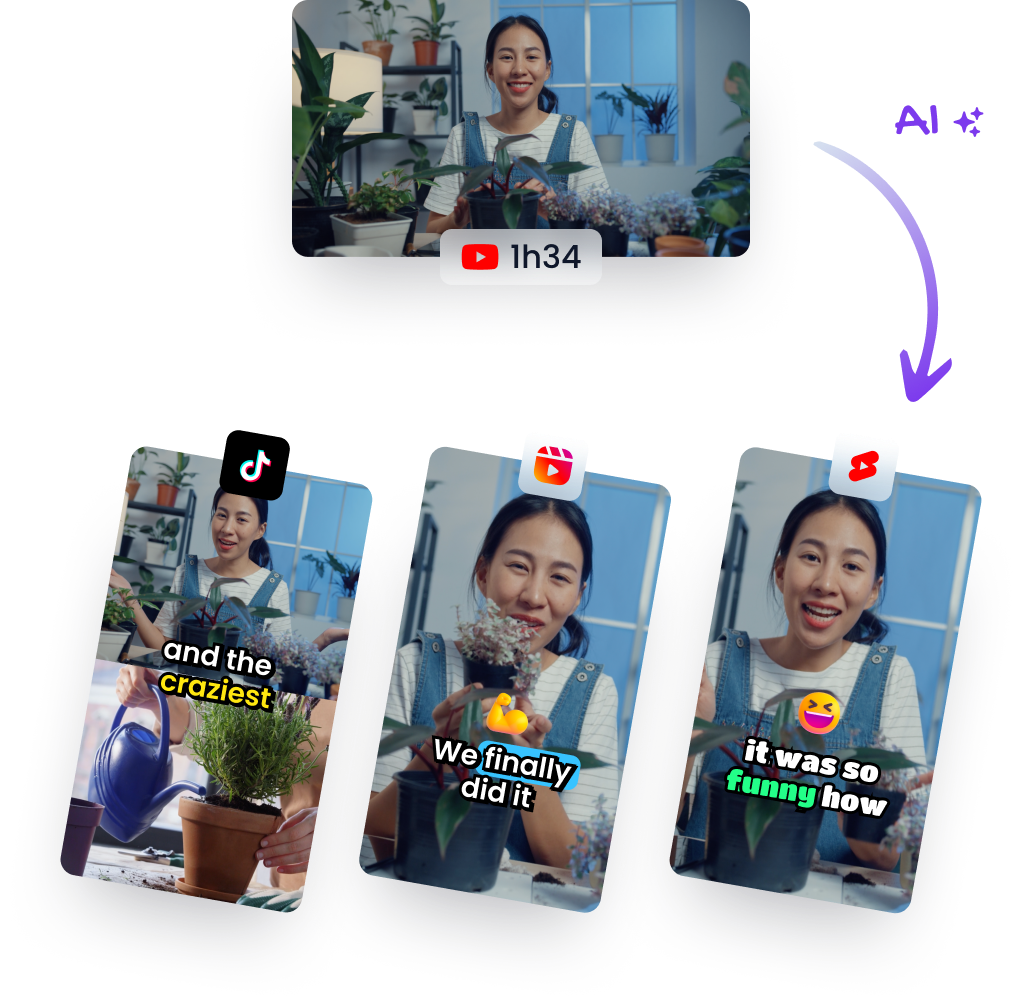
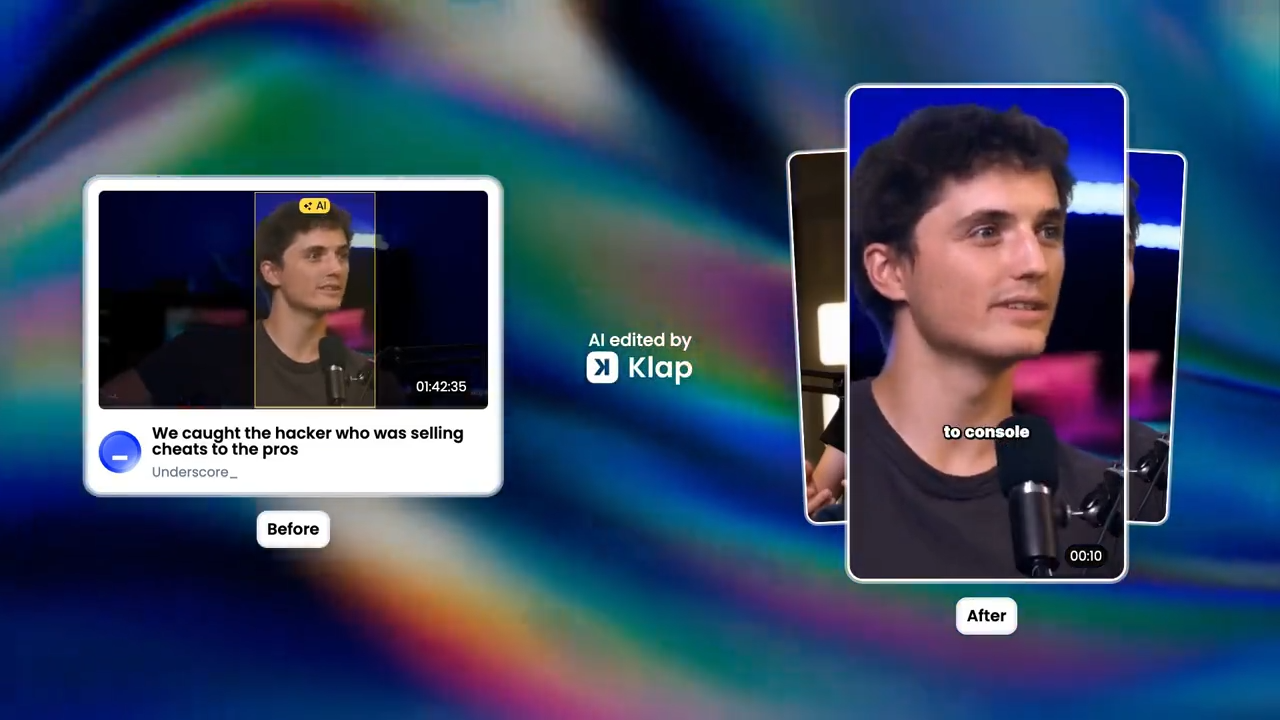
Trusted by over 2M creators and brands, Klap uses AI to analyze long videos, detect engaging moments, and automatically generate captioned, vertically formatted clips for Shorts, Reels, and TikTok.
Our tools help creators save hours of manual editing and help teams publish more content faster.
What Are YouTube Shorts?
YouTube Shorts are short, vertical videos made for quick viewing on YouTube. They can be up to 3 minutes (180 seconds) long and appear in a dedicated Shorts feed. The format focuses on fast, attention-grabbing content that people can watch easily on their phones.
For creators, YouTube Shorts often serve two main purposes:
- To reach new viewers with quick, easy-to-watch videos that fit short attention spans.
- To get more value from longer content by turning key moments into short clips.
Why Viral YouTube Shorts Are Important
- Rapid audience growth: Viral Shorts can reach large audiences quickly, helping channels gain new subscribers.
- Increased content visibility: The Shorts feed recommends popular videos to a wider audience, expanding reach beyond the traditional homepage.
- Higher engagement rates: Short, engaging videos on YouTube often receive more likes, comments, and shares.
- More traffic to long-form videos: Viral Shorts can introduce viewers to a channel and lead them to watch longer content.
- Efficient content distribution: One piece of content can reach viewers across multiple platforms when Shorts are repurposed for TikTok and Instagram Reels.
How to Make YouTube Shorts Go Viral
1. Find Scroll-Stopping Moments
Many Shorts fail because they don’t capture the viewer's attention quickly enough. Strong Shorts often have bold claims or surprising insights that make viewers immediately think, “Wait… what’s happening here?”
Some scroll-stopping moments could be:
- A clear statement, reaction, or reveal in the first few seconds
- One idea that works without extra explanation
- Natural tension that makes viewers wait for the outcome
- Strong delivery or visual energy that fits vertical video
But it all sounds easy until you start reviewing long videos to find these segments. Tools like Klap help you skip that stressful part.
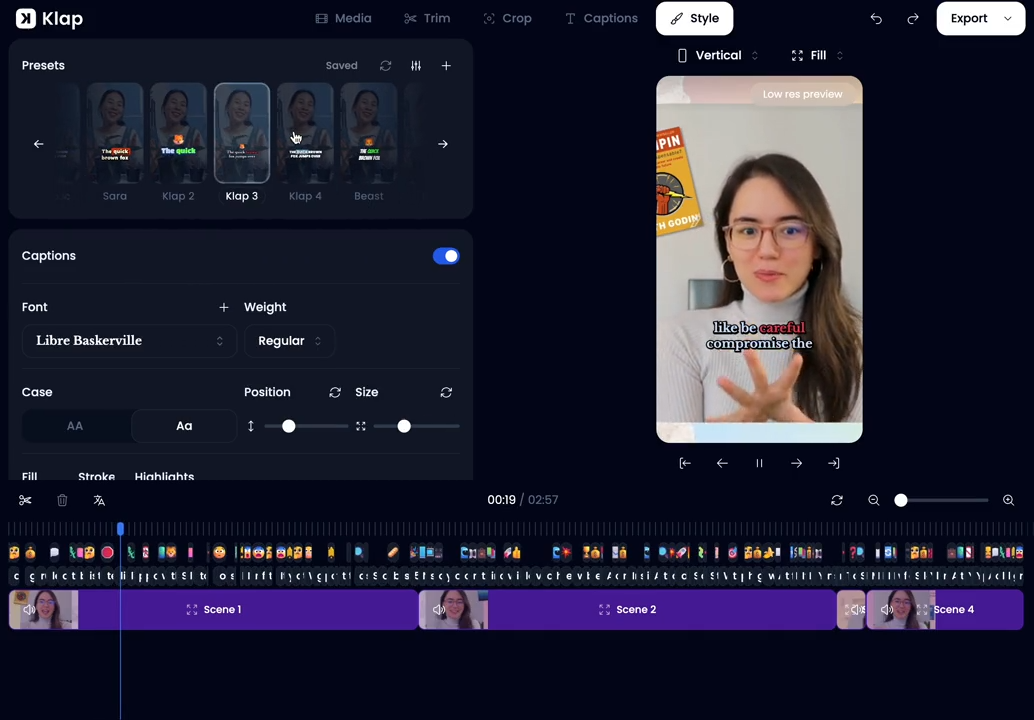
Our platform scans full videos and highlights the segments that are most likely to work as short clips, then prepares them with reframing and captions for Shorts.
2. Hook Them in the First 3 Seconds
On a platform where people swipe faster than they blink, your opening needs to be impossible to ignore. In fact, videos that clearly communicate value within the first 15 seconds see 18% higher retention at the one-minute mark.
Start strong with something that instantly grabs attention. You could hook them with an intriguing question, a bold statement, or a shocking visual. Whatever you choose, just make sure it’s captivating enough to stop them from scrolling.
Creator Jenny Hoyos, whose YouTube Shorts have racked up billions of views, builds her videos around such quick pacing and fast payoffs. She points out that creators have about 1 second to grab someone’s attention before they scroll away.
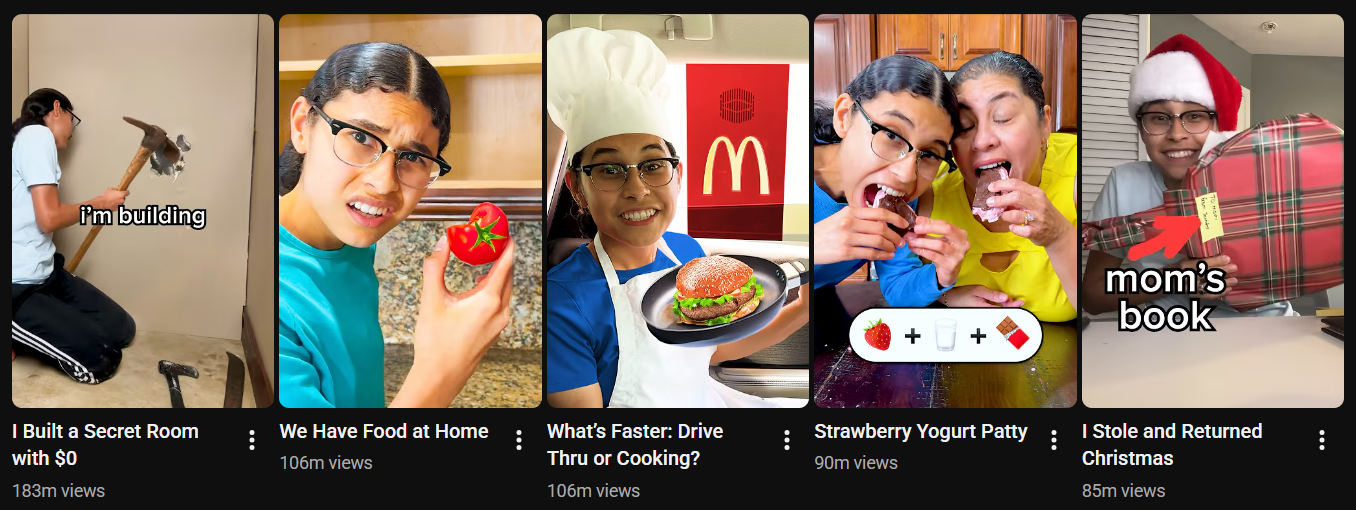
By getting straight to the point and keeping the video moving, her Shorts hold viewers’ attention longer and are more likely to take off.
If you don’t hook them in those first few seconds, your viewers will scroll past before you’ve even made your point.
3. Keep It Short, Sharp, and Built for Retention
While YouTube Shorts can be up to 3 minutes, the sweet spot for retention and virality is usually much shorter. In fact, a Vidyard report shows that 65% of viewers will finish videos under 1 minute.
People are more likely to rewatch and share quick, concise content, which boosts engagement and increases the chances of going viral. You want to deliver your punchline quickly and leave them wanting more.
A strong Short usually follows:
- A hook that sparks curiosity immediately
- Quick context so the viewer understands what’s happening
- A moment that raises tension or interest
- A clear payoff that makes the clip feel complete
Keep the pacing tight. Cut aggressively and remove anything that doesn’t push the moment forward. When viewers stay to the end, or even rewatch, the chances of the Short reaching more audiences increase a lot.
4. Use Captions, Framing, and Quick Edits to Keep Attention
Now that your YouTube Short is taking shape, it’s time to polish it. Three things make a huge difference here: captions, framing, and quick edits.
Captions
Think about how you watch Shorts. Sometimes, you’re on the bus or in a waiting room, and chances are, your volume is off. That’s why captions are non-negotiable. They keep viewers glued to your video, even in public spaces.
In fact, a joint study by Verizon and Publicis Media found 80% of viewers are more likely to finish a video when captions are available.
To make your captions stand out:
- Keep them short and easy to read, ideally one or two lines per caption block
- Use high-contrast text (e.g., white text with a dark background), so they stay readable on mobile screens
- Sync captions closely with the audio so viewers can follow the speech naturally
- Highlight important words with bold styling or emojis to guide attention during key moments
- Position captions away from the top and bottom UI elements so they don’t get covered by the Shorts interface
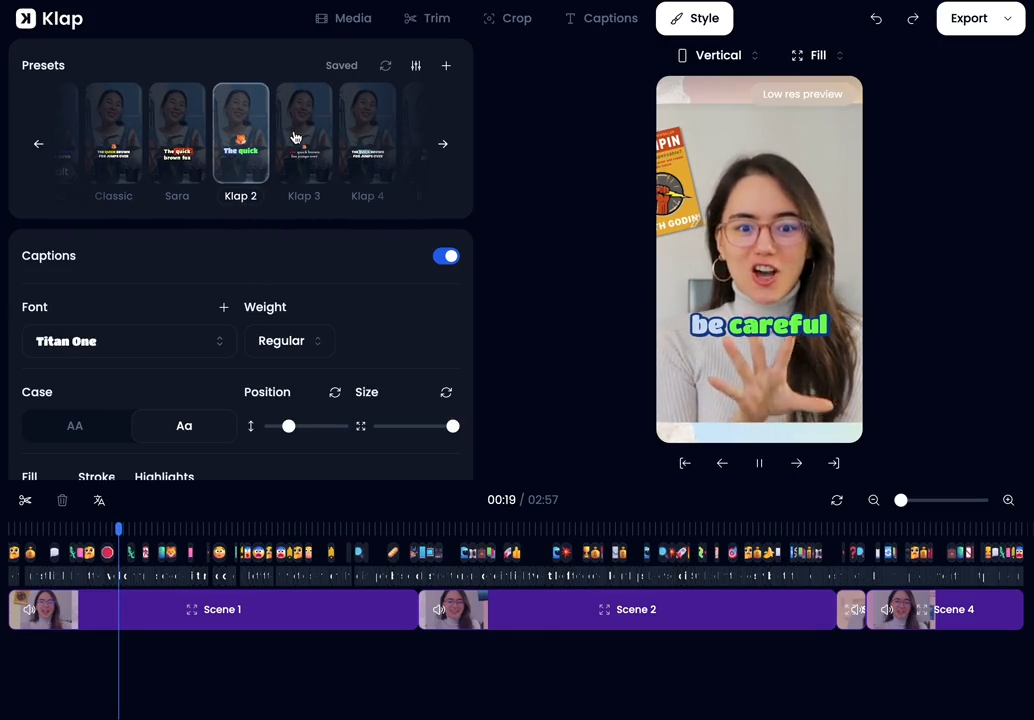
Our AI subtitle generator can help you here by automatically creating accurate, time-synced captions for your videos, improving your Shorts’ viewer engagement.
Framing
It’s a huge bummer when you’re watching a YouTube Short and notice the subject is off-center, or important reactions take place outside the frame.
Good framing is crucial as it keeps the most important person or scene front and center. Viewers should never have to wonder where to look.
To avoid this:
- Center your main subject in the vertical frame so viewers instantly know where to focus
- Use close-ups or tight framing to zero in on expressions and reactions on small screens
- Turn on your camera grid lines when filming to align the subject properly
- Leave space in the lower third so captions or platform UI don’t cover important visuals
- Switch framing quickly for multiple people so the viewer always sees the speaker
Quick Edits
Shorts work best when the pacing stays tight. Long pauses, filler words, or slow reactions break the rhythm and give viewers a reason to swipe away.
Focus on edits that keep the momentum going:
- Cut pauses and filler words between sentences
- Trim reactions so the clip moves quickly
- Use quick cuts to keep visual movement on screen
- Highlight key moments with on-screen text
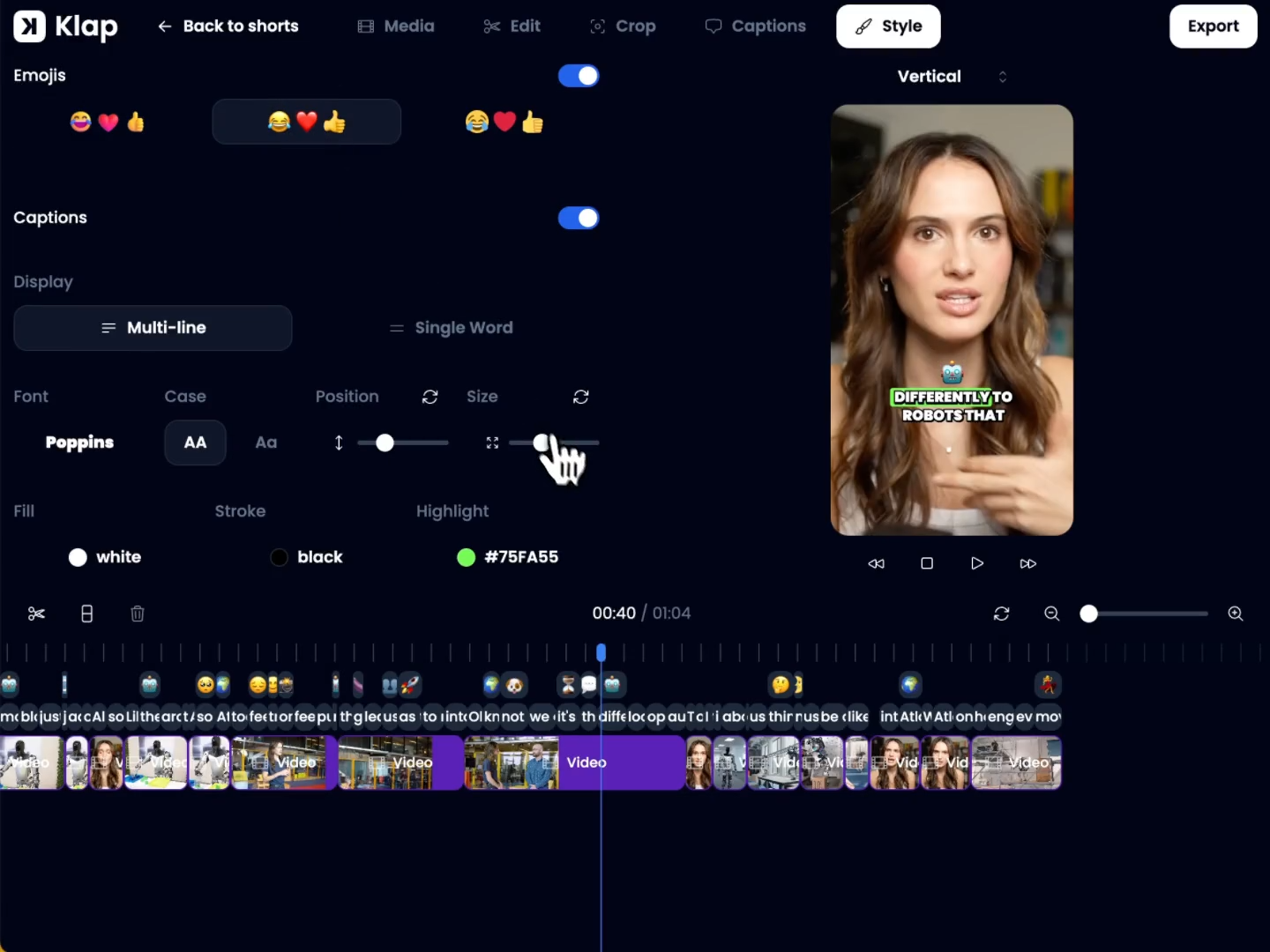
Instead of manually fixing framing, captions, and quick edits, let Klap do the heavy lifting. Our AI Shorts Maker automatically reframes clips for vertical video, adds dynamic captions, and tightens the pacing so your Shorts look polished without spending hours on editing.
5. Turn One Long Video into Multiple Shorts
Make the most out of your long YouTube videos. Podcasts, interviews, and webinars are usually packed with small moments that work perfectly as standalone clips.
To turn one long video into multiple Shorts:
- Pull out 3–5 key takeaways from your video and turn each one into its own Short
- Clip questions and answers from interviews or podcasts into quick, standalone insights
- Turn memorable quotes or strong opinions into punchy Shorts that start mid-conversation
- Use contrasting viewpoints or debates as separate clips to create multiple Shorts from one discussion
- End each Short with a subtle prompt to watch the full video, driving traffic back to your long-form content
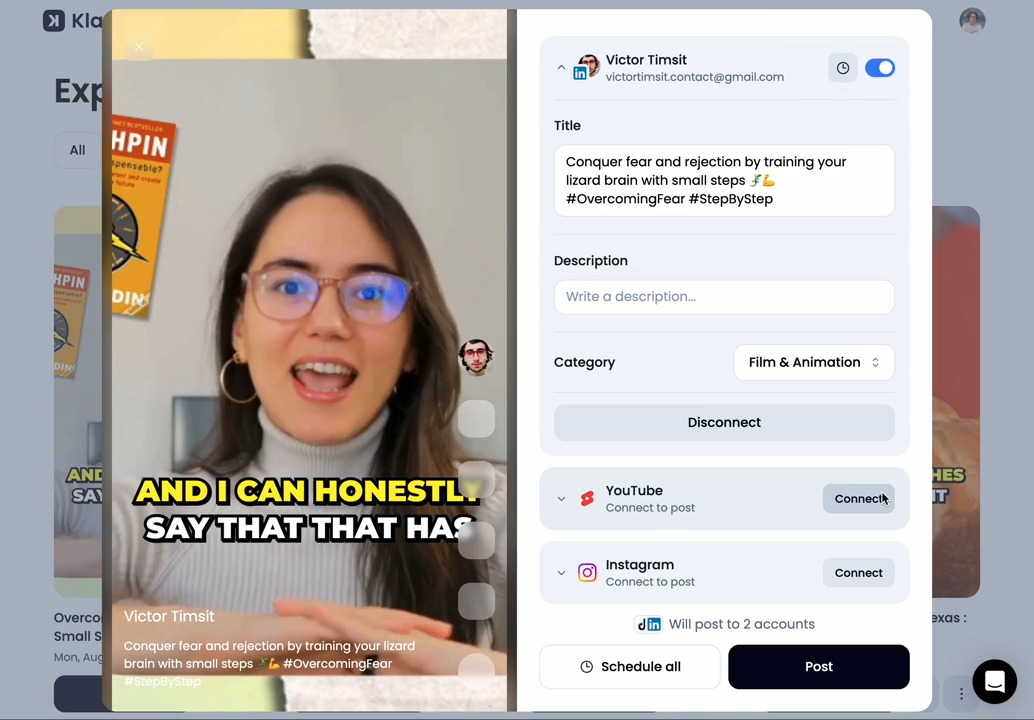
This is where tools like Klap help. Our AI-powered YouTube to Shorts converter turns your YouTube content into shareable, viral-ready Shorts, making the entire repurposing hassle-free.
6. Post Consistently and Double Down on What Works
Viral Shorts rarely come from one lucky upload. Some clips will take off, while others won’t. But each one gives you useful signals, like which hooks hold attention, which topics resonate, and where viewers drop off.
That’s why posting consistently matters. The more consistent you are, the more likely your content will get pushed to new viewers.
For that:
- Create a simple posting schedule you can maintain (for example, 3–5 Shorts per week)
- Batch-record multiple Shorts in one session, so you always have content ready
- Repeat topics or formats that get strong retention and engagement
- Turn your best-performing Shorts into a series so viewers know what to expect next
- Test small variations in hooks, pacing, or captions to see what improves retention
Best Practices for Making YouTube Shorts Go Viral
Engage With Your Community
Virality might bring people to your channel, but engagement is what keeps them coming back. YouTube is a social platform, so be social! Reply to comments on your Shorts, especially the thoughtful or funny ones.
For instance, a 2024 study on YouTube engagement shows that when creators respond to or “heart” viewer comments, it encourages more people to join the conversation and increases overall engagement on the video.
Ask your community questions in your video descriptions or community tab, like “What topic should I cover in the next Short?” or “Which tip from this video will you try first?”
When viewers feel seen and heard, they become your biggest advocates. They’re the ones who will share your content and defend your channel in the comments.
Ride Trends Without Copying Them
Riding trends can boost your reach, but don’t just copy them. Look for patterns in the Shorts feed, popular hooks, viral challenges, or trending audios and formats, and then put your own spin on it.
For example, if a specific “before and after” format is trending, you can adapt it to your niche. If you’re a fitness creator, show a “before” workout and an “after” workout using the trend, but add your personal twist, like humor or a unique challenge.
But make sure to act quickly. Trends fade fast, so capitalize on them by shooting your take right when they’re gaining momentum.
Study Your Competitors
Keep a close eye on other successful creators in your niche. What types of Shorts are they posting that get high engagement? What topics are they covering? How do they structure their hooks?
Use this information to identify gaps you can fill or unique angles you can bring to popular topics.
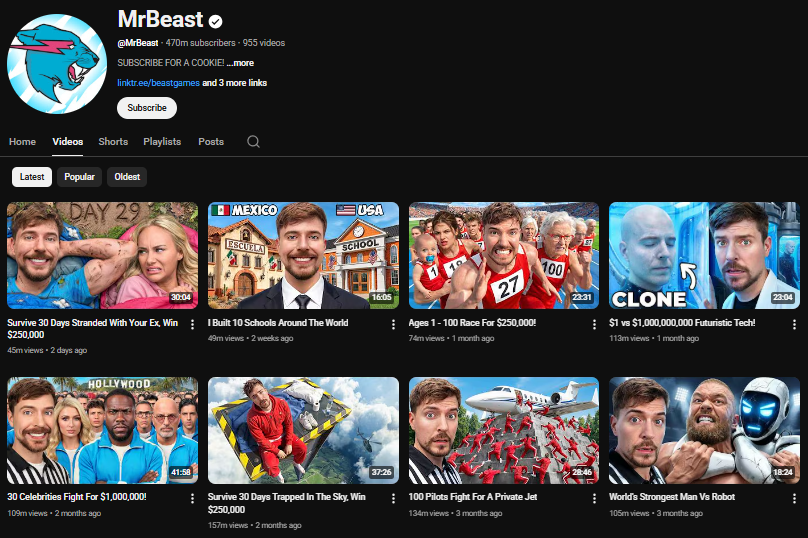
For example, YouTuber MrBeast spent hours analyzing other viral videos to understand what formats, hooks, and storytelling styles performed best. That helped him refine his own approach and build one of the most successful channels on YouTube.
It’s market research that’s freely available and endlessly useful.
Optimize Shorts Titles and Hashtags
Good titles and hashtags are key to making your Shorts more discoverable. Use titles that instantly spark curiosity, include search phrases, and incorporate niche keywords relevant to your video.
- Put your main keyword at the start of the title to help YouTube understand and rank your Short.
- Keep titles around 40–60 characters long so they don’t get cut off on mobile screens, and stay clear in search results.
- Use 3–5 relevant hashtags in the description or title, mixing niche tags with #shorts to boost discoverability without overloading the algorithm.
You can also research what top creators in your niche are using and try to build your own list for better reach.
Analyze Performance Data
YouTube’s analytics can be a goldmine. Check your Shorts' performance regularly to spot what keeps your viewers glued.
If a specific hook works, do more of it. If viewers drop off early, switch up your approach next time. Track and use metrics like:
- Average view duration to see if your content holds attention.
- Subscriber conversion to measure how many new followers you gain.
- Retention graphs to identify where viewers drop off.
- Click-through rate to see how effective your title and thumbnail are.
It's all about improving each time based on the data. The more you pay attention, the better you’ll get.
Use Playlists to Keep Viewers Watching
You've hooked them with a great Short, now what? Don't let them wander off into the algorithmic abyss. Create themed playlists for your Shorts, like "Quick Productivity Hacks" or "Behind-the-Scenes Moments."
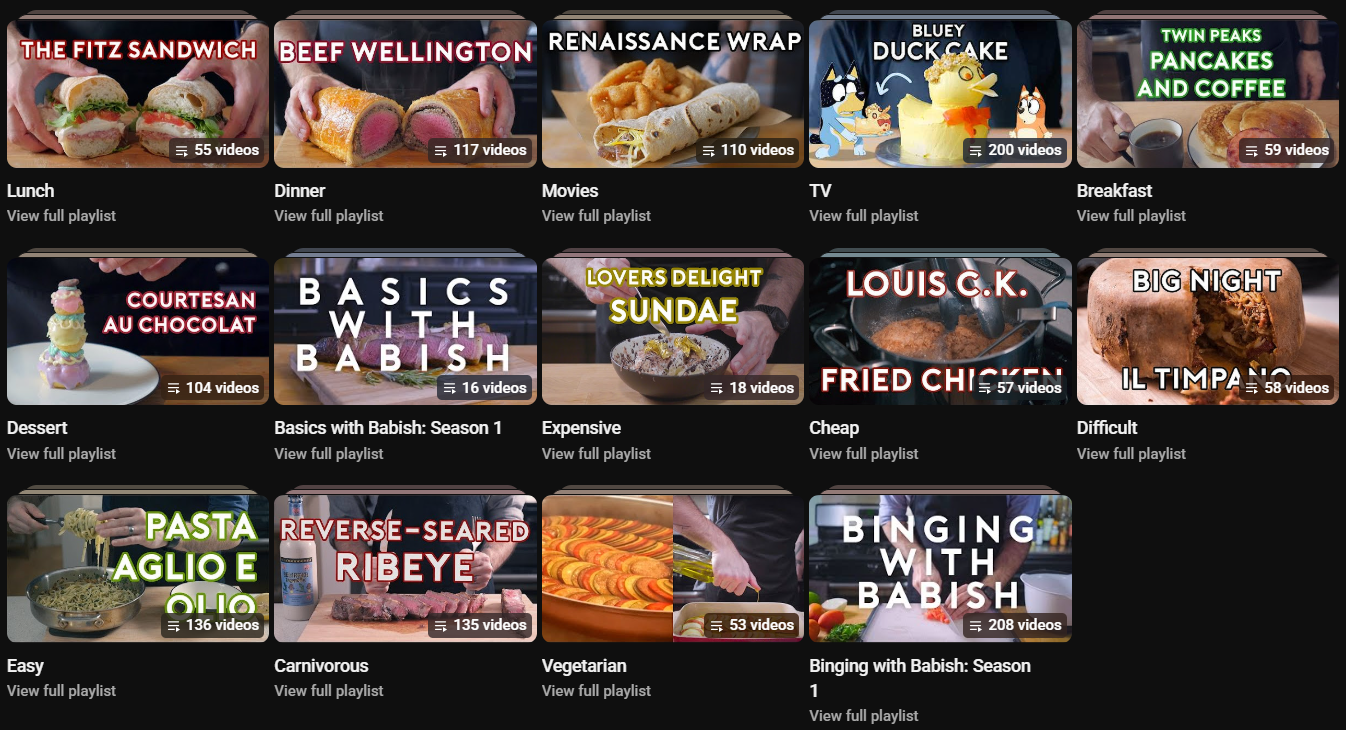
The cooking channel Babish Culinary Universe, for example, organizes its videos into structured playlists like “Binging with Babish” and “Basics with Babish,” making its viewers watch related episodes back-to-back.
When a viewer finishes one Short, a well-organized playlist automatically queues up the next one, creating a seamless viewing experience. This increases your total watch time and session duration, which are two key engagement signals on YouTube.
This turns a single viral view into a multi-video binge.
Build Anticipation for Future Shorts
Treat your channel like a TV series, not a collection of random clips. Give your audience a reason to come back. You can do this by creating multi-part series ("I tried this productivity hack for 5 days, here's what happened"), using cliffhangers ("Wait until you see what happens next..."), or teasing upcoming content in your community tab.
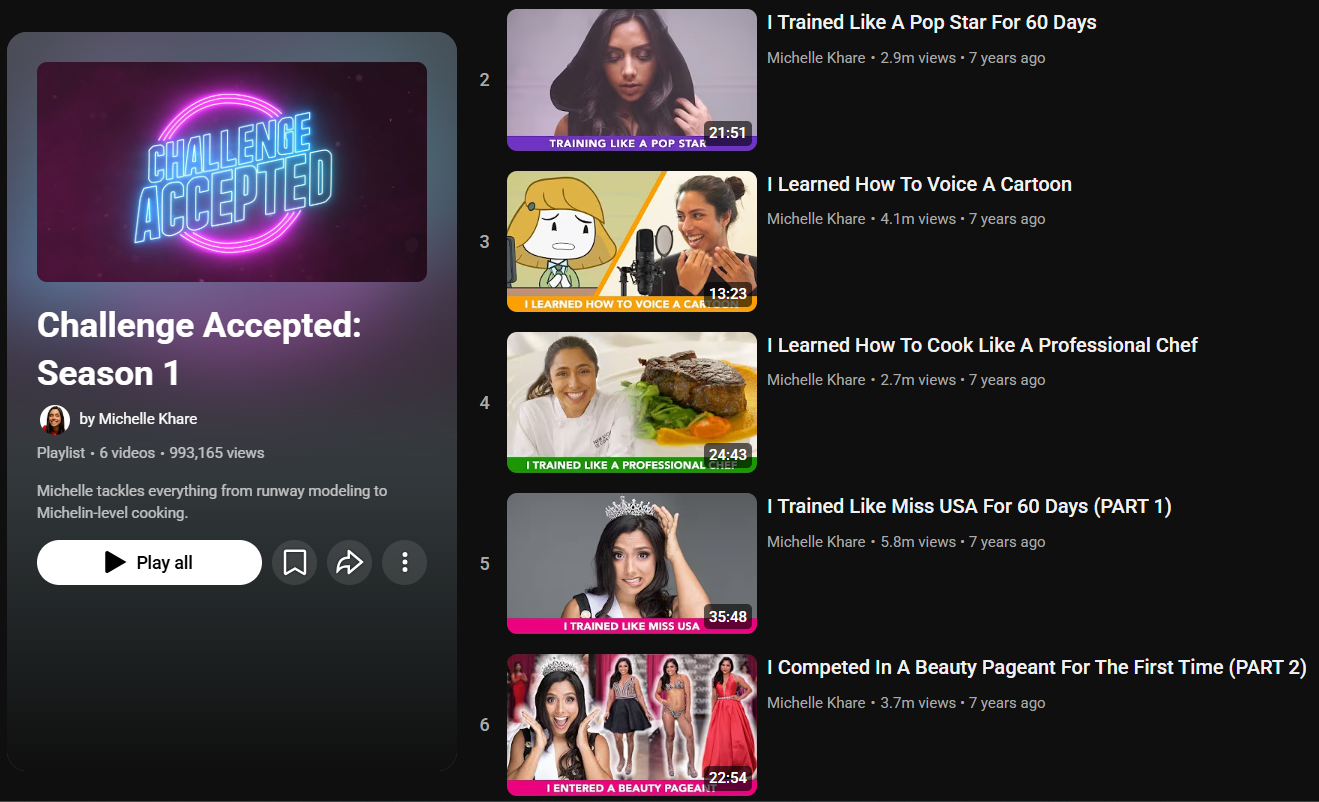
YouTuber Michelle Khare built a loyal audience with her series Challenge Accepted, where each video follows her training for a new challenge. Because the videos are part of an ongoing series, viewers keep coming back to see what she takes on next.
When viewers are genuinely excited about what's coming next, they're more likely to hit that subscribe button and turn on notifications. At this stage, you’ve gone beyond just chasing views. You're building a loyal audience that keeps returning.
Create Viral-Ready YouTube Shorts With Klap
Going viral on YouTube Shorts often comes down to speed, consistency, and strong storytelling. But manually sifting through videos, trimming clips, adding captions, and formatting them? That can take forever.
That’s where Klap comes in.
Klap helps you turn long-form videos into multiple viral-ready Shorts in minutes. Our AI analyzes your video to identify the most engaging moments, automatically creates short clips, adds captions, and formats them for vertical platforms.
Join millions of creators using Klap to turn long videos into viral-ready YouTube Shorts.