How to Easily Go Viral on TikTok: 6 Proven Steps That Work
Content Creation
Quick Summary
You don't need a massive following to go viral on TikTok. The platform's algorithm treats a creator with zero followers the same as one with a million. What matters is whether your content engages viewers in the first few seconds and keeps them watching until the end. This guide breaks down what TikTok's algorithm prioritizes based on real creator data and platform behavior in 2025. To learn more about repurposing long-form videos into TikTok videos, visit the Klap blog.
Does TikTok Virality Feel Like Luck? It Isn't
You’ve probably seen it: a random creator with no following goes viral overnight while your polished video barely moves. It feels like luck, but it isn’t.
TikTok doesn’t care about follower count. Its algorithm focuses on engagement, how quickly your video hooks people and keeps them watching. Within seconds of upload, TikTok measures audience reactions and pushes videos that perform well to more viewers.
The mistake many creators make is using outdated strategies. They think like YouTubers (chasing subscribers) or Instagram creators (focusing on aesthetics). TikTok plays by different rules. It rewards raw engagement, completion rates, and real-time viewer signals, not follower numbers.
Understanding this is the first step to creating content the algorithm loves.
Why Listen to Us?
Klap has processed millions of minutes of video content from 1.8 million creators who've generated 3.3 million clips across platforms. We've analyzed completion rates, posting patterns, audio choices, and video lengths across every creator niche, from educational content to entertainment, fitness to finance. Our insights aren't theoretical. They come from real creator data, tested strategies, and actual performance metrics from creators who've achieved viral success.
How TikTok's Algorithm Actually Works
TikTok’s 2025 algorithm still revolves around one core principle: engagement decides visibility. When you upload a video, it enters what creators call the “test phase.” TikTok first shows it to a small audience of about 200–500 viewers who match your niche or viewing behavior. The algorithm then tracks three key actions:
- Do people watch to the end?
- Do they engage, like, comment, or share?
- Do they rewatch?
If those first viewers respond well, TikTok widens your reach to thousands more, a process that can multiply views rapidly. But if users drop off within seconds, distribution stops almost immediately.
Studies show that videos with 80–90% completion rates in early testing tend to go viral, while those below 50% rarely scale. Completion rate is still TikTok’s most powerful signal for promotion.
And the reward is significant: a single viral video can bring thousands of new followers and signal to TikTok that your content performs well, boosting your next few uploads automatically.
In short, strong engagement early on builds lasting visibility, and that’s one foundation for sustainable growth on TikTok.
6 Proven Steps to Go Viral on TikTok in 2025
Step 1: Capture Attention in the First 3 Seconds
This is non-negotiable. Users decide whether to watch or skip based on their first impression. The hook determines whether you get thousands of views or tens.
The most effective hooks operate on two levels:
- They create curiosity; a question you need answered or a situation that doesn't make sense yet.
- They deliver surprise or delight. The best TikToks combine both. You see an unexpected moment (surprise) that makes you wonder what happens next (curiosity), so you keep watching.
Practically, this means your video should show the result or the surprising moment first, then explain the process. If you're teaching someone how to edit videos, don't spend the first 5 seconds explaining theory. Show the finished edited product, that's your hook. Then show how you did it.
For entertainment content, lead with your punchline, not the setup. For transformation content, show the before-and-after in the first 2 seconds. The brain pattern research is clear: people make watch-or-skip decisions almost immediately. If you bury your best moment, most viewers will never see it.
Step 2: Optimize Video Length
TikTok’s algorithm has a strong preference for two specific video lengths: around 5-30 seconds and 60+ seconds. Videos in the 1-5 second range consistently underperform because they don’t align with algorithmic preferences or typical viewing behavior patterns.
Here’s how each length works:
- 5-30 seconds: Perfect for trends, quick tips, and entertainment because it matches how people naturally consume TikTok feeds.
- Example: Bella Poarch’s “M to the B” lip-sync was just eight seconds long and became the platform’s most-liked video ever, with over 64 million likes.
- This format is ideal for bite-sized content that delivers instant payoff and doesn’t require deep engagement.
- 60+ seconds: Performs well because it allows the algorithm to measure sustained engagement. When viewers watch an entire minute or more, TikTok sees it as a strong signal of interest.
- Example: Zach King’s Harry Potter illusion videos often exceed one minute and have earned billions of views collectively.
- This length works best for storytelling, tutorials, or content that needs time to build tension or deliver transformation.
What to avoid: Videos between 1-5 seconds tend to lose viewers before reaching the payoff. They’re too short for proper storytelling.
Pro Tip: If your current videos fall into this range, experiment by trimming to 5-30 seconds or expanding to 60+ seconds. Take your best-performing clip, create two new versions: one shorter (5-30s) and one longer (90s), then compare completion rates. You’ll clearly see which format performs better for your audience.
Step 3: Use Trending Sounds Strategically
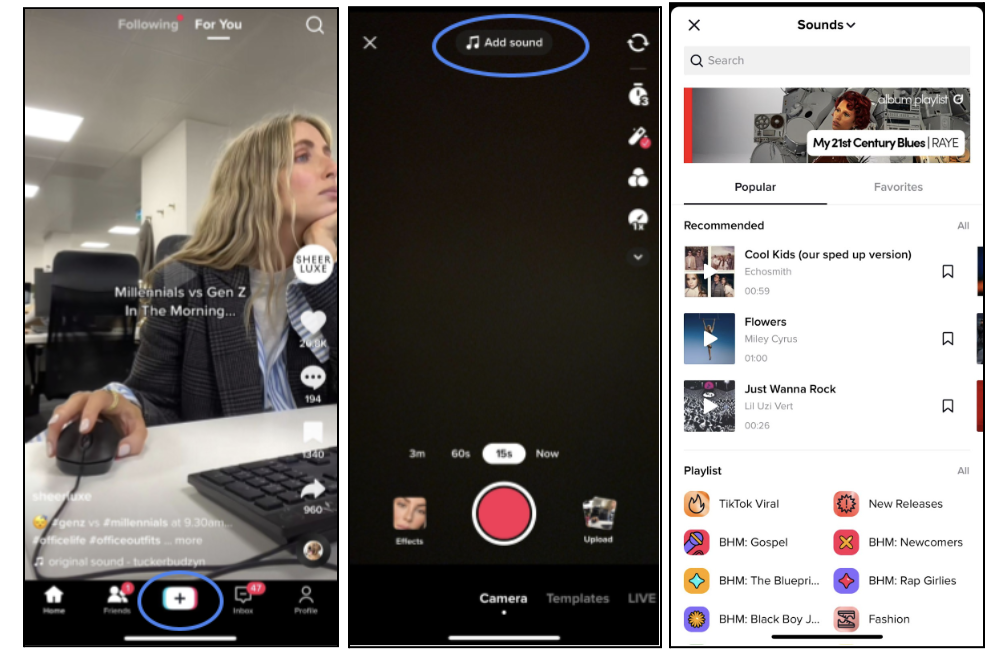
TikTok's algorithm tracks when you use trending audio, and this signal significantly impacts distribution. The platform prioritizes content using viral sounds because it keeps users on the platform longer. When people recognize a trending sound, they're more likely to keep watching and engaging.
The most effective strategy that creators use is the "silent trend hack." Add the trending sound at very low volume (5-10% of the normal audio level), then layer your primary audio over it. Educational creators do this constantly. Your main content audio stays clear and understandable, but the algorithm gets the signal that you're using a trending audio, boosting distribution accordingly.
Try not to force trends that don't fit your content. Misaligned sounds look unauthentic and actually hurt engagement. But if a trending sound fits your content naturally, using it increases your reach by 35-50% based on creator test data.
Find trending sounds via TikTok’s Discover tab or by checking what similar creators in your niche are using right now.
Step 4: Build Consistency with Posting Schedule
The average brand posts on TikTok about four times per week, but it’s not just about how often you post. Timing matters just as much.
Here’s what the data show:
- Best general posting times: Thursday midmorning and Saturday midday tend to perform well across industries.
- High-performing time slots: Many creators report success on
- Tuesday at 9 a.m.
- Thursday at 12 p.m.
- Friday at 5 a.m.
- Audience-specific patterns: Your own data may look different.
- A fitness creator might see peak engagement around 6 a.m.
- A business-focused creator may perform best around 9 a.m. on weekdays.
How to build consistency that works:
- Start with 1-3 posts per week on a fixed schedule. Consistency signals to the algorithm that you’re serious about creating, not posting sporadically.
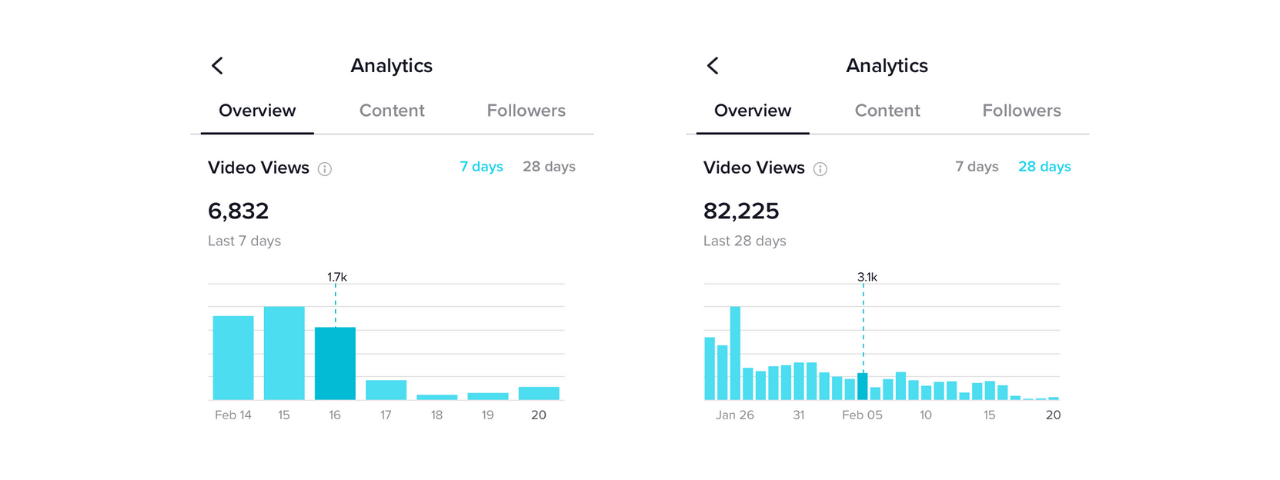
- Use TikTok Analytics to discover when your followers are most active.
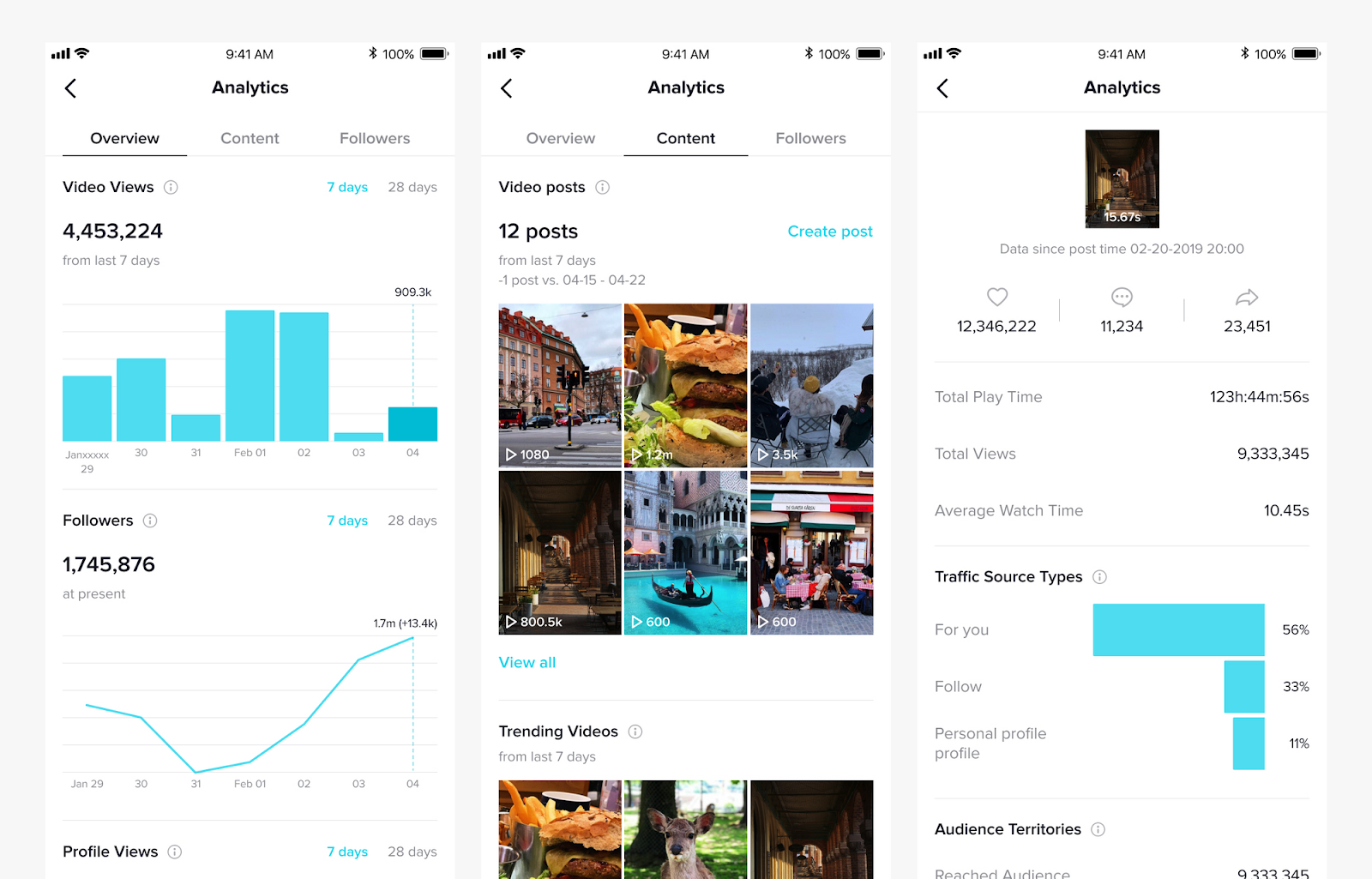
- Post 30 minutes before your audience’s peak activity so your video is already indexed when they open the app.
Pro Tip: Consistency beats perfection. Creators who post regularly, such as Tuesday, Thursday, and Saturday every week, often outperform those who post randomly, even if those random uploads hit “optimal” times. The algorithm rewards reliability.
Step 5: Scale Your TikTok Content with Smart Repurposing Using Klap
Here’s where most creators hit a wall: posting 4+ times a week while maintaining quality is exhausting. Research shows 17.13% of marketers plan to invest more in short-form video content in 2025, yet most still struggle with the editing workload that comes with it.
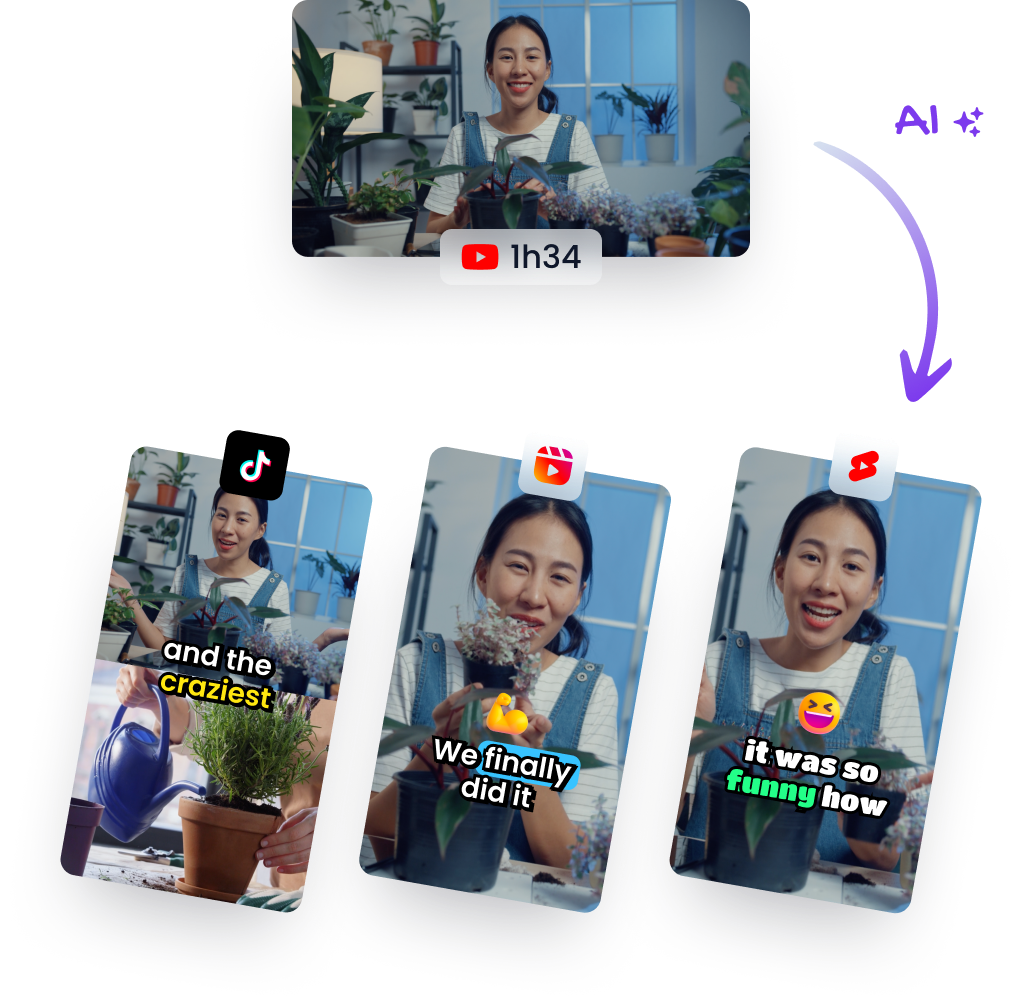
The solution is strategic content repurposing. With the rise of “clippers,” editors who turn long-form content into short viral clips have proven that the same video can generate weeks of content. But you don’t need to hire an editor or spend hours cutting footage manually.
Here’s how to do it with Klap:
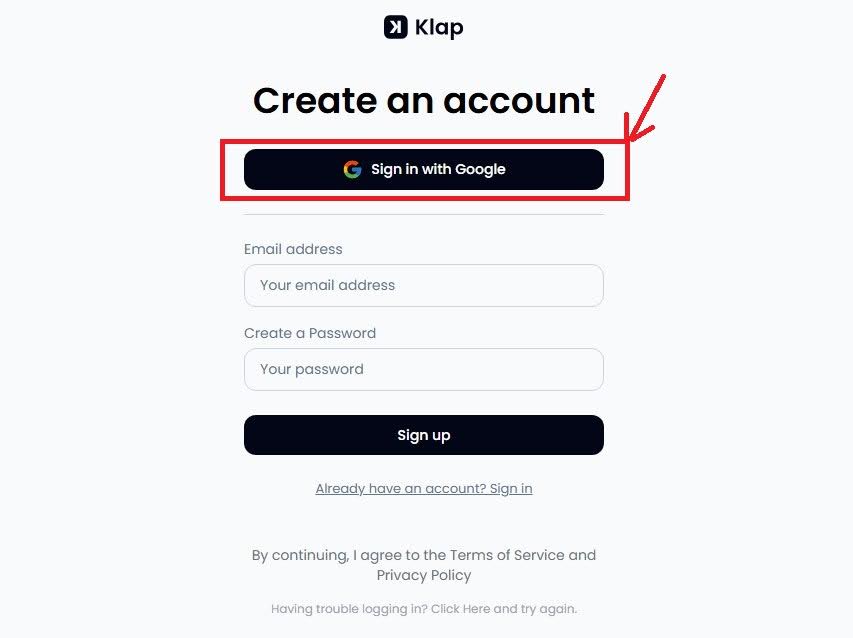
Step 1: Upload Your Long-Form Content
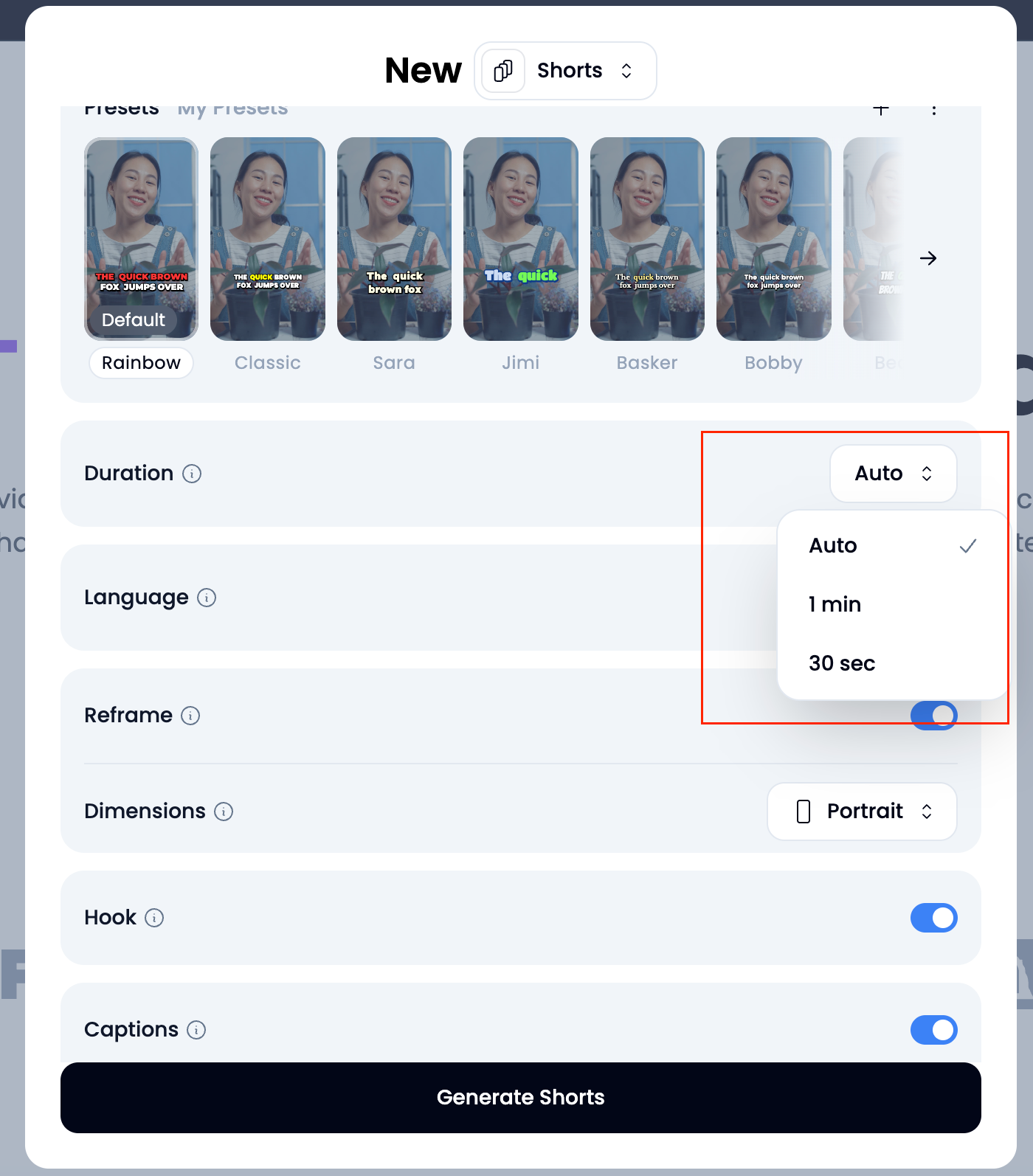
Get started on Klap.app and upload your long-form video. Start with a 30-minute podcast, webinar, or interview. Klap supports nearly all major video formats.
Step 2: Let Klap’s AI Find the Best Moments
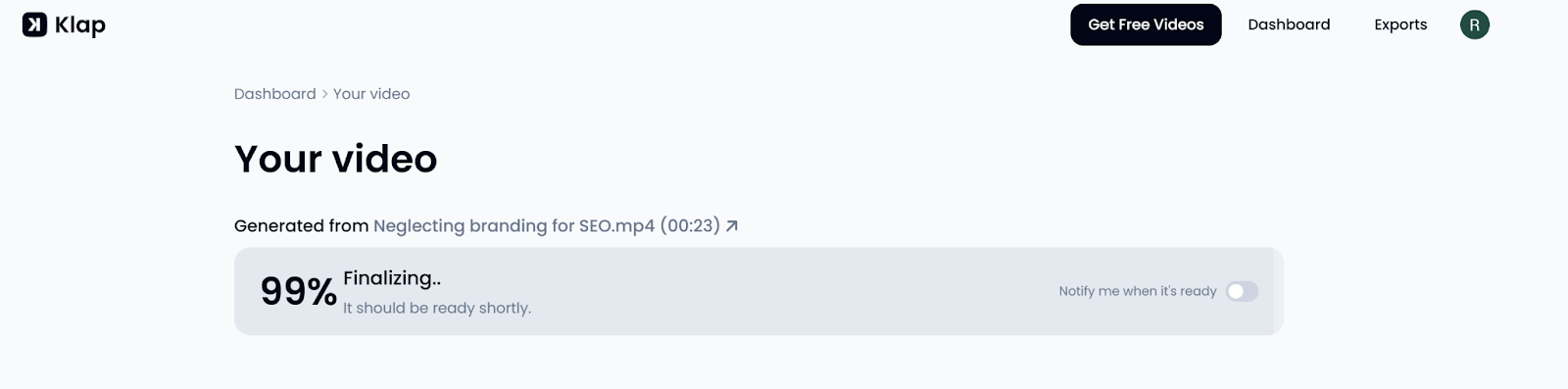
Klap automatically identifies highlights that fit TikTok’s top-performing lengths: 5-9 seconds for fast trends and 60+ seconds for deeper storytelling.
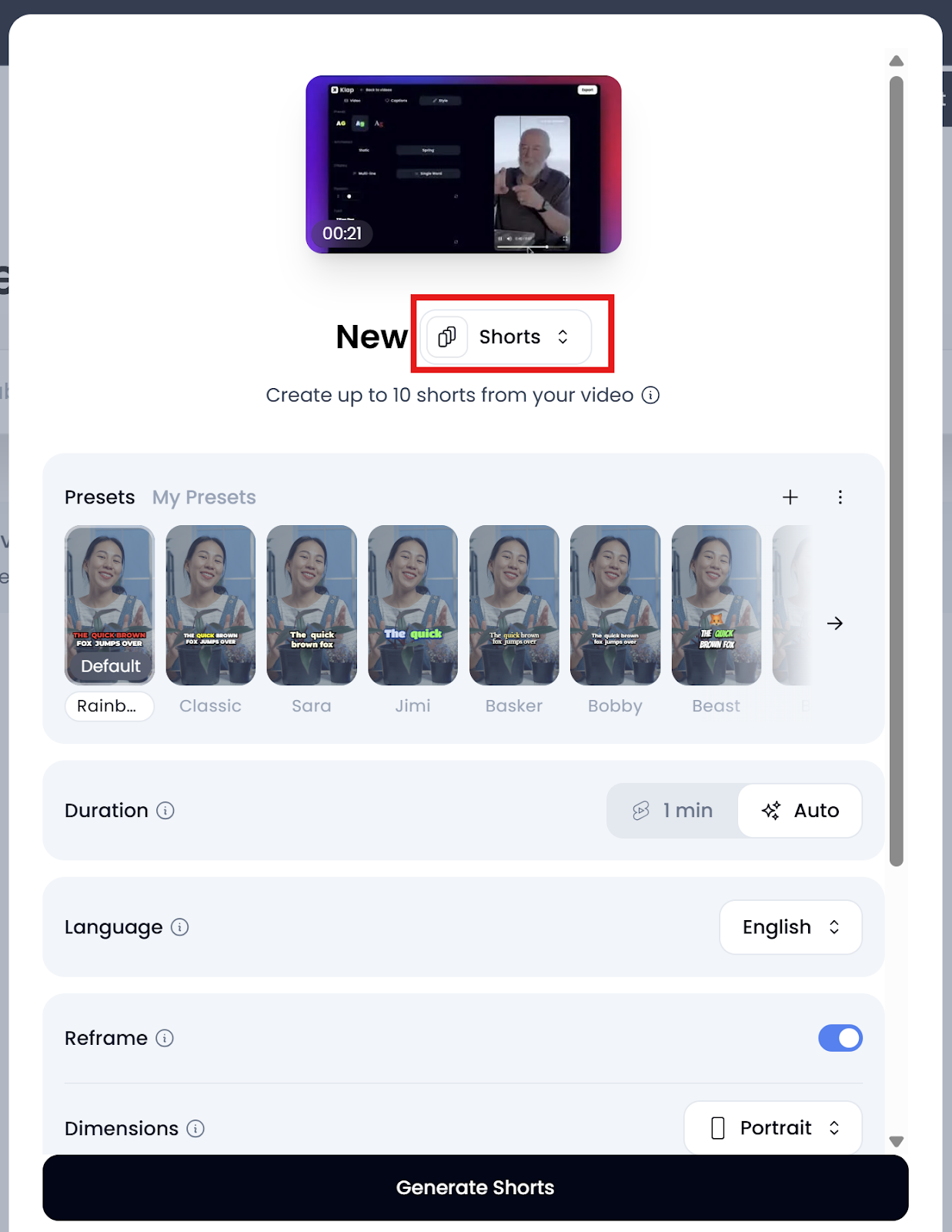
Step 3: Auto-Reframe for TikTok
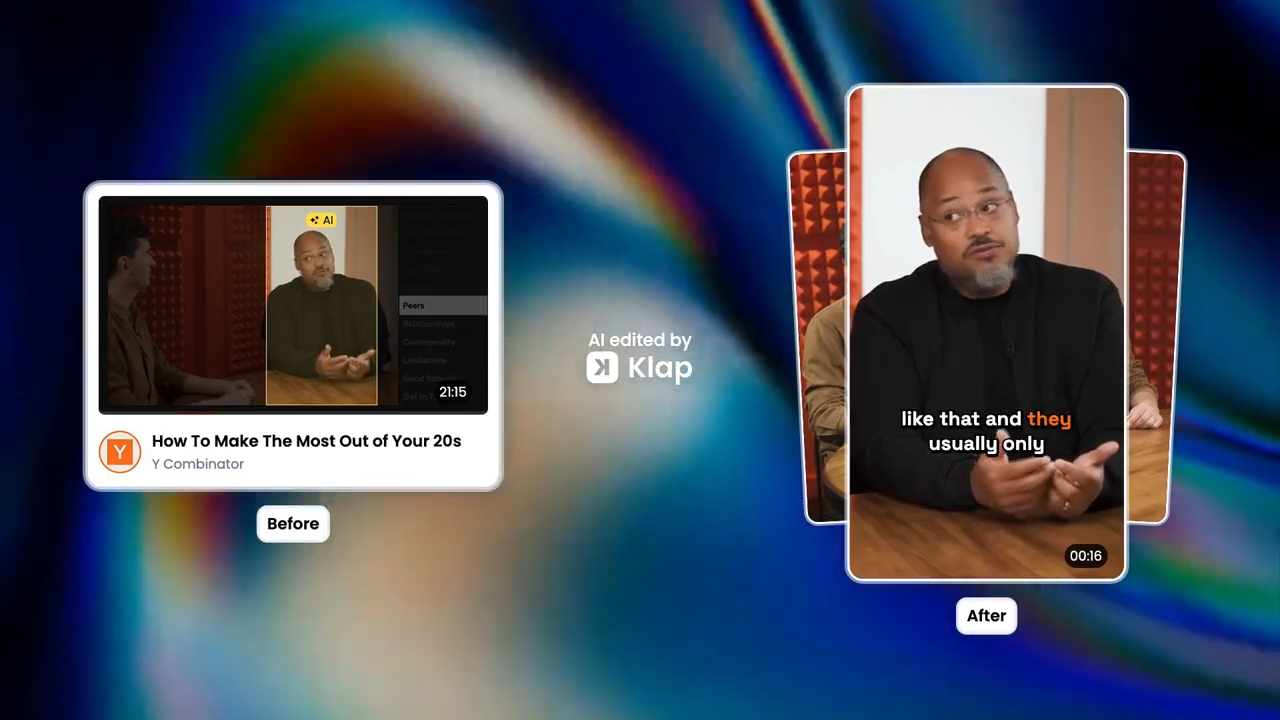
Your horizontal videos are instantly reframed into vertical 9:16 format optimized for TikTok, Shorts, and Reels, no manual cropping required.
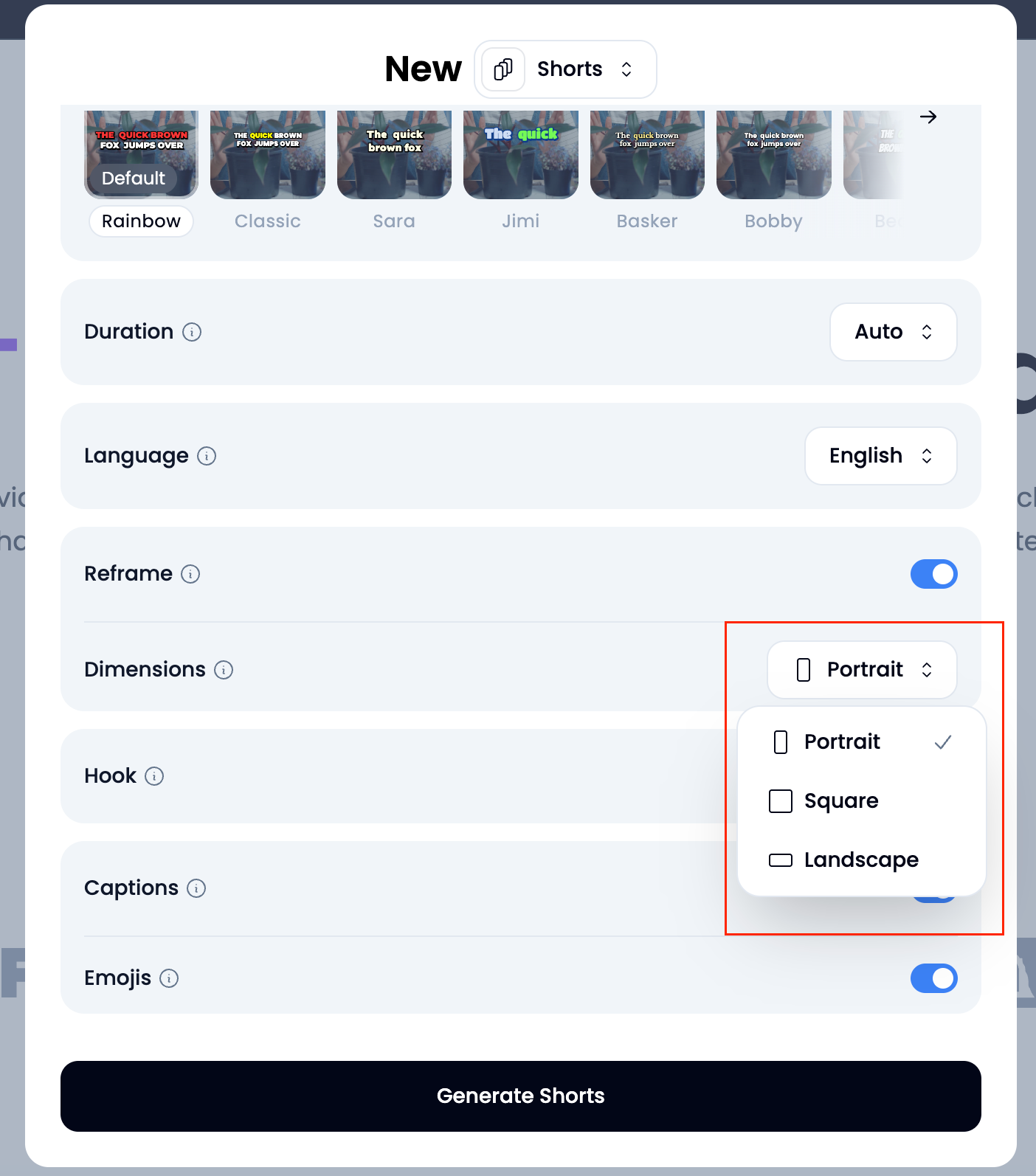
Step 4: Generate and Sync Captions Automatically
Klap adds auto-synced captions in seconds, essential since a large percentage of social users scroll without sound.
Step 5: Review, Export, and Schedule
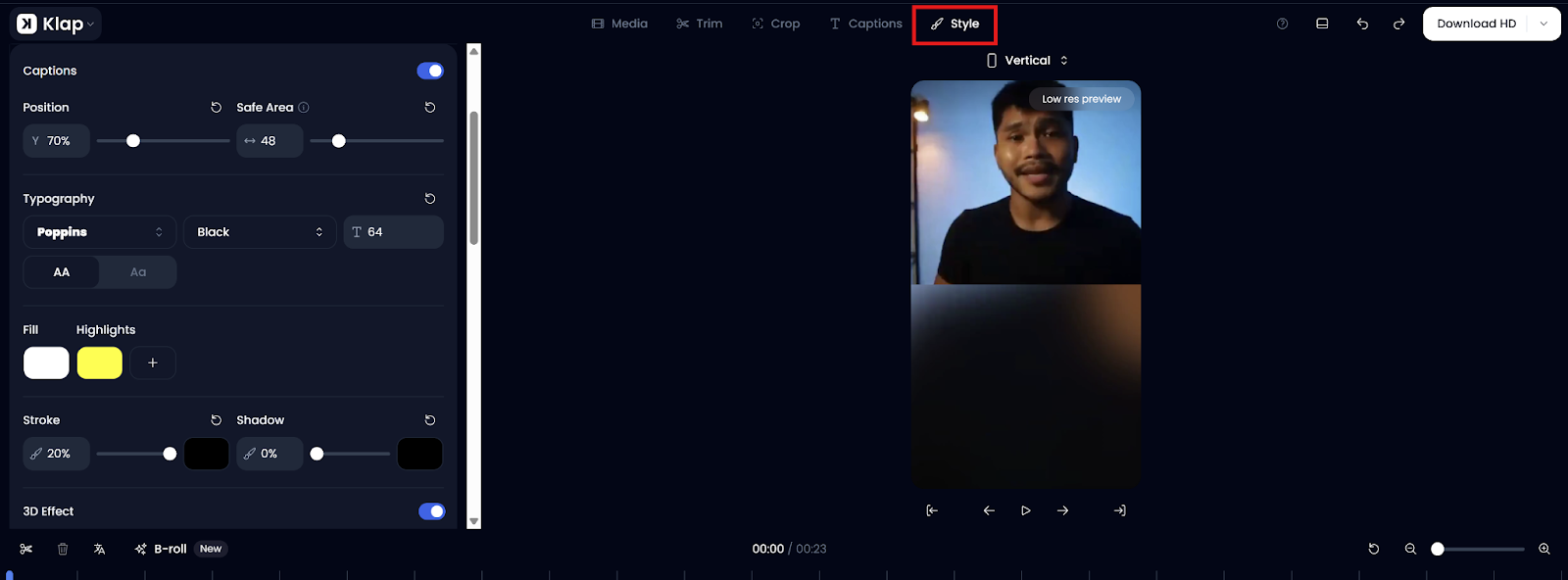
In minutes, your long-form video transforms into 8+ ready-to-post clips you can choose to further edit on Klap for final finishing.
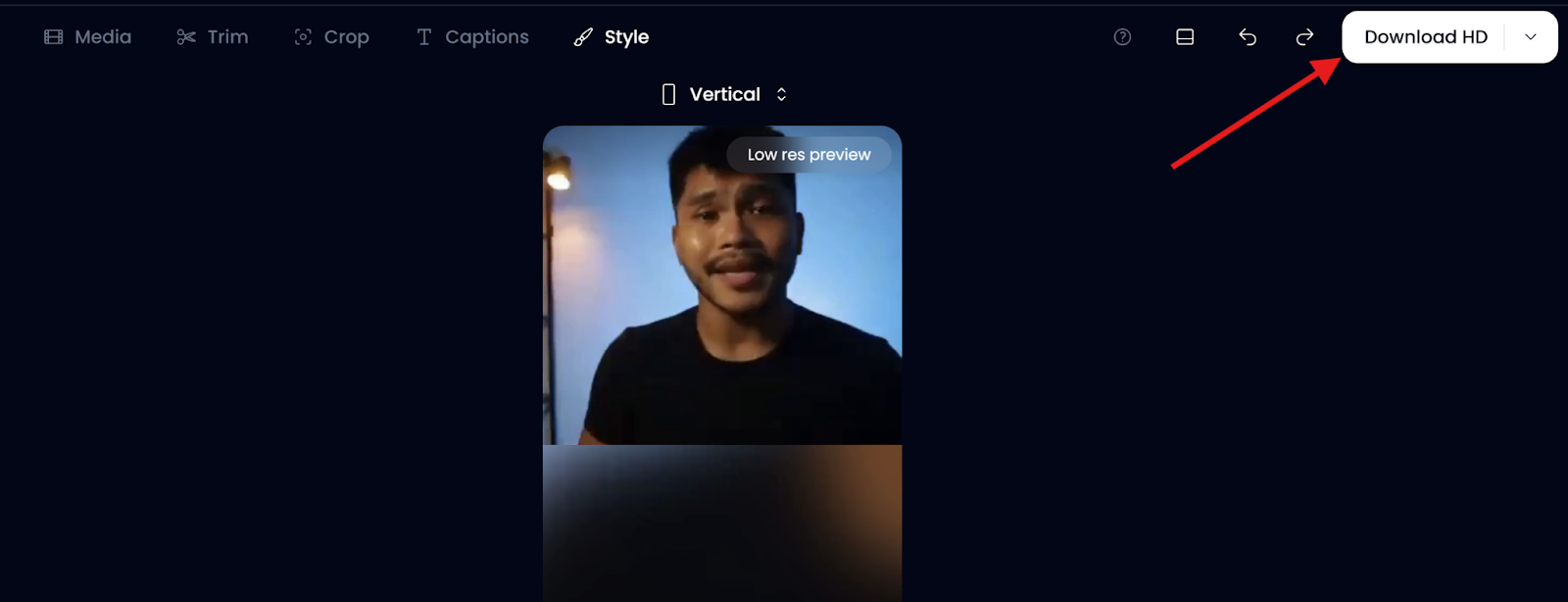
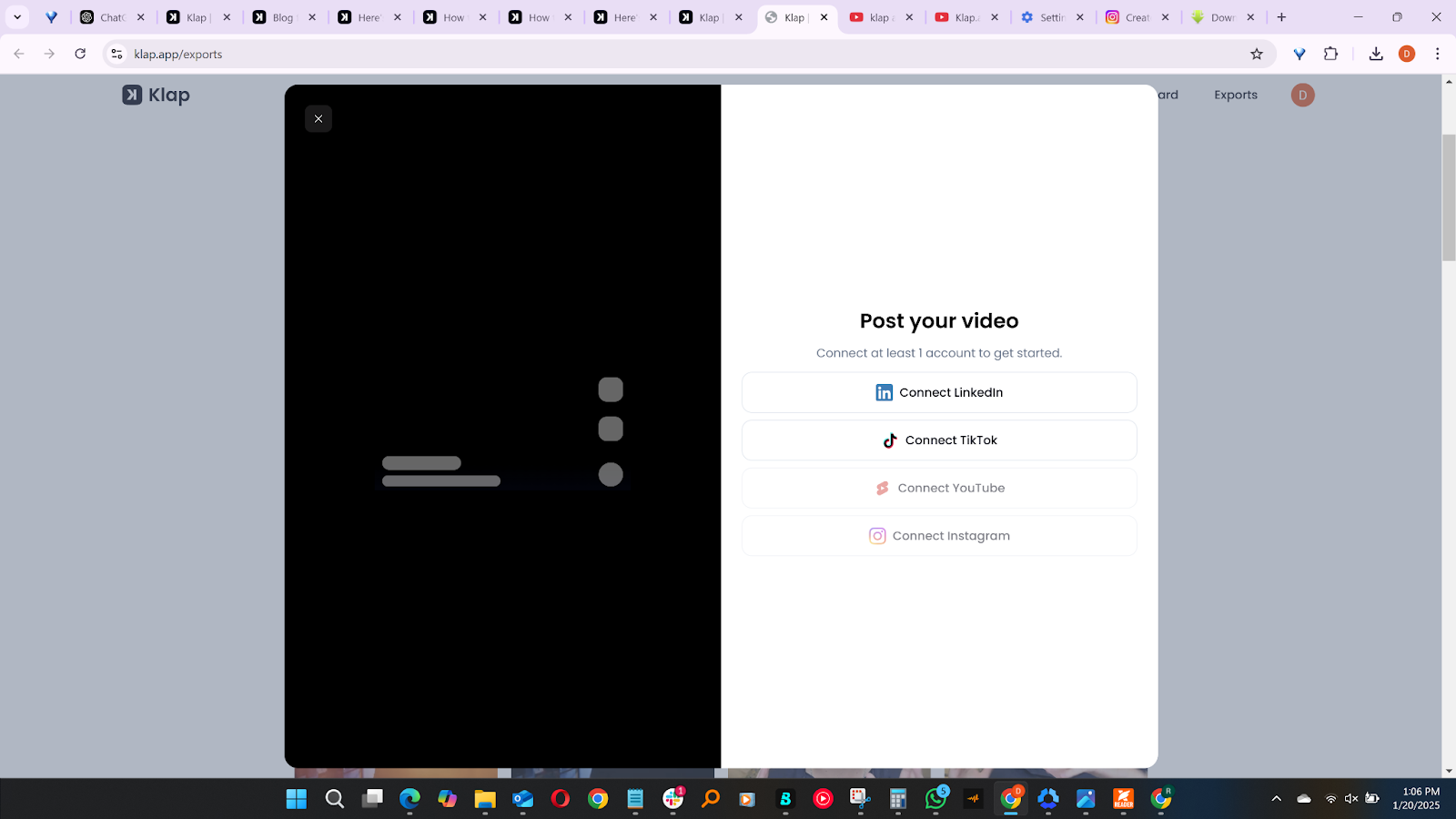
Download them or publish directly, spacing your posts across the week to stay consistent.
The result? What once took five hours of manual editing now happens in under ten minutes. One 45-minute YouTube video becomes a month’s worth of TikTok posts without burnout or creative fatigue.
It’s the workflow trusted by 1.8 million creators who use Klap to maintain the posting frequency, while freeing up their time for what really matters: strategy, storytelling, and audience growth.
Step 6: Focus on The #1 Ranking Factor
Completion rate is the most heavily weighted factor TikTok's algorithm prioritizes and the #1 ranking factor. A video with 100 likes and a 40% completion rate will lose to a video with 20 likes and a 90% completion rate every time. The algorithm cares more about whether people watch your video fully than whether they like it.
This changes everything about how you structure content. Your video should have:
- A hook that makes someone want to watch.
- Momentum that prevents drop-off.
- A payoff at the end that rewards watching to completion.
Weak videos have slow intros, long explanations before the good part, or abrupt endings that feel incomplete.
You should maximize completion by removing dead air, cutting filler words, maintaining visual movement, using text overlays to guide attention, and ensuring your best moment comes at the end or is promised early so viewers stay. This way, a video with 30 seconds of quality has the potential to beat a video with 90 seconds of mostly filler.
Best Practices for Sustained Viral Growth
Quality Beats Equipment Expense
High-quality videos get 40x more follower growth than low-quality uploads. Quality means clear audio, good lighting, and engaging editing, not expensive equipment. The most viral TikTok creator started with a phone camera. Production value matters less than content clarity.
Authenticity Outperforms Perfection
TikTok audiences prefer raw, relatable content over overly polished videos. Your takeaway is that you don't need glossy production. Authentic, slightly rough content builds more trust and engagement than perfectly edited ads. Let your personality show.
Engage in Communities, Not Just Trends
Instead of chasing broad, unpredictable trends, create content that resonates deeply in your niche community. TikTok users report that the platform is best for community connection. BookTok's community alone has 1.2M + posts. Creators who tap established communities see better reach than those trying to start new trends from scratch.
Test Multiple Versions
Post multiple versions of the same video with different on-screen text or captions. Space them out by hours or days. This leverages TikTok's batch processing to maximize your chances of hitting an algorithmic pocket of virality. If one version slightly outperforms, you've learned something about what your audience responds to.
New Creators Have Equal Chances
It's completely normal for TikTok creators with zero followers to go viral. The algorithm doesn't require a large follower base. If your video gets strong engagement, it gets pushed to millions regardless of your history. Follower count is irrelevant to virality.
Scale Your Content Strategy with Klap
Understanding what makes TikTok videos go viral is half the problem. The other half is actually creating content consistently enough that the algorithm can test and push your work regularly.
Most creators know what to do but struggle with execution capacity. They understand hooks, completion rates, and trending sounds, but creating 3-4 polished TikToks weekly while also doing everything else is overwhelming. Something has to give; usually, consistency drops, which kills viral potential.
Klap bridges this gap by automating the most time-consuming part of the workflow: extracting, editing, and formatting content for TikTok. Instead of spending Friday night manually clipping your week's videos, you spend 20 minutes uploading long-form content and exporting finished clips.
Try Klap for free and see how automation transforms your ability to post consistently without burnout.