Unlocking Virality With a Viral Shorts Generator
Other
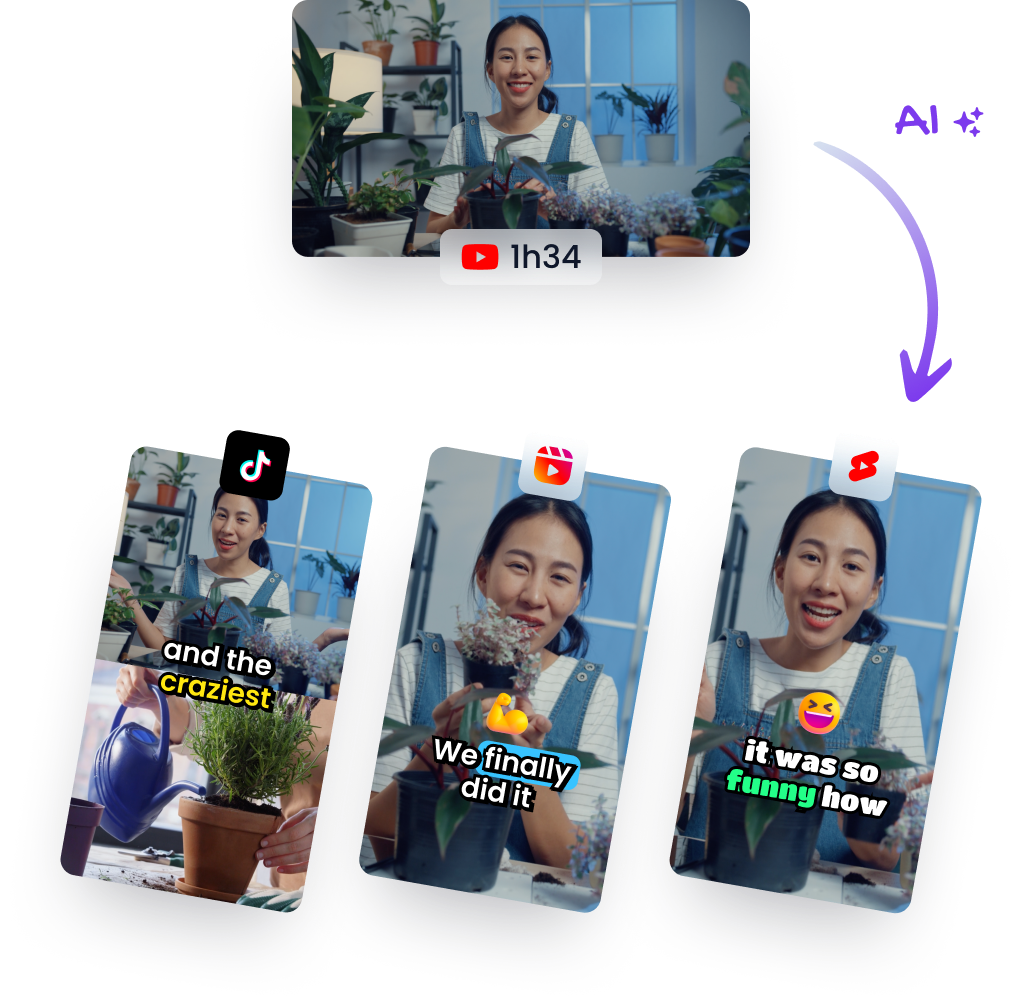
So, what exactly is a viral shorts generator? Think of it as your AI-powered editing assistant. It automatically analyzes your long-form videos—like podcasts or webinars—and extracts short, engaging clips perfect for TikTok, Reels, and YouTube Shorts. The goal is to find the best moments for you, saving you from hours of tedious manual editing.
Why Short-Form Video Is Running the Show
Short-form video isn't just a trend anymore; it's the primary way many people consume content. The quick, snackable style of platforms like TikTok, Instagram Reels, and YouTube Shorts has fundamentally changed viewer expectations. With human attention spans now averaging just 8.25 seconds—shorter than a goldfish's—the demand for instant gratification is at an all-time high.
This shift puts creators and brands in a tough spot: adapt or get left behind. If you're only creating long-form content, you're missing a massive segment of your potential audience. To stay relevant, you need a consistent flow of high-impact clips that grab attention in the first three seconds and feed the algorithms what they crave.
The Need for Speed and Volume
Let's be practical: manually slicing a 60-minute podcast into a dozen share-worthy clips can easily consume an entire day's work. This production bottleneck is a huge obstacle to posting consistently, which is the number one rule for growth on these platforms. A viral shorts generator is engineered to solve this exact problem by automating the most time-consuming parts of the process.
Instead of scrubbing through hours of footage hunting for gold, the AI pinpoints potential viral moments for you. This is more than a time-saver; it’s a strategic advantage. It allows you to:
- Increase Content Output: Publish consistently across all platforms without burning out. In fact, brands that post daily see up to 56% more engagement.
- Maximize Existing Content: Squeeze every last drop of value from the long-form videos you've already created.
- Accelerate Learning: Quickly test which topics, hooks, and formats resonate most with your audience.
The image below perfectly captures the world where these short clips live—on our phones, competing for a fraction of our attention.

This mobile-first environment is the battleground where TikTok, YouTube Shorts, and Instagram Reels thrive. Each platform has its own algorithm and audience culture, a factor you must consider in your strategy. We explore this in our guide comparing TikTok vs. YouTube Shorts.
By 2025, market projections are clear: TikTok is expected to hold a dominant 40% market share, with YouTube Shorts and Instagram Reels each capturing around 20%. This is fueling massive ad spending—projected to exceed $111 billion—as brands race to capitalize on the incredible reach and high completion rates of short-form video.
To give you a clearer picture, here's a breakdown of how using an AI tool stacks up against the old-school approach.
Comparing Manual Repurposing vs AI Generation
This comparison highlights the clear advantages of using a viral shorts generator over traditional video editing for repurposing content.
MetricManual EditingAI Shorts Generator
Time Investment
6-8 hours per long-form video
10-15 minutes per long-form video
Clip Output
3-5 high-quality clips
10-20+ AI-suggested clips
Cost
High (editor's salary or hours of your own time)
Low (affordable monthly subscription)
Consistency
Difficult to maintain due to high effort
Easy to publish daily across all platforms
Discovery
Relies on editor's intuition to find good moments
AI analyzes for virality, engagement, and context
Scalability
Very limited; tied directly to hours worked
Highly scalable; process hundreds of hours
The difference is stark. AI doesn't just make the process faster; it makes it smarter and more sustainable, enabling you to compete at a volume and speed that's impossible to achieve manually.
Picking the Right Videos to Feed Your AI Generator
The clips that come out of an AI generator are only as good as the video you put in. It's like cooking—a world-class chef can't make a gourmet meal with subpar ingredients. The same principle applies here. Your source video is the single most important factor in creating shorts people will actually watch.
So, before you upload anything, put on your analyst hat and dig into your own content library. You're looking for videos that have already proven they can hold an audience's attention.

Uncovering Hidden Gems in Your YouTube Analytics
Your YouTube analytics dashboard is a treasure map. For this task, your most valuable metric is Audience Retention. While a high overall retention rate is a great starting point, the real insights are hidden within the graph itself.
Look for these specific patterns in your retention graph:
- Distinct Spikes: A sudden jump in the graph indicates a moment viewers rewatched. These are almost always powerful statements, a great joke, or a surprising insight—perfect raw material for a short clip.
- Sustained Plateaus: Long, flat sections show where your audience was completely engaged and didn't skip ahead. These segments are often packed with value, like a key step in a tutorial or the climax of a story.
- Comment Hotspots: Cross-reference these spikes and plateaus with timestamps in your comments. If multiple viewers are discussing something that happened at the 2:15 mark, that's a huge signal that the moment resonated.
Once you’ve identified a few high-potential videos, getting them into the generator is simple. Most tools let you either paste a YouTube link or upload the video file. Pasting the link is usually the faster and more efficient option.
What Makes a Video "AI-Friendly"?
Beyond the analytics, certain types of content naturally perform better with AI. As you select your source video, prioritize those that have:
- Clear Talking Points: Videos where speakers make distinct, self-contained arguments or share short anecdotes are ideal. The AI can easily isolate these moments.
- Dynamic Visuals: While not a dealbreaker, videos with visual variety—like screen shares, B-roll, or cuts between different speakers—give the AI more cues to identify interesting sections.
Actionable Insight: Your goal is to give the AI clear signals of engagement. High-energy moments, controversial statements, and actionable tips are the raw materials from which viral clips are made.
The creator economy is more competitive than ever. Between 2020 and 2025, YouTube Shorts saw an influx of over 50 million channels, with the total number of Shorts posted soaring past 900 million. With that much competition, you need every advantage, and it all starts with picking the right moments to amplify.
It also helps to understand the capabilities of different AI video generation platforms. Knowing how a specific tool analyzes content can give you an edge, letting you choose videos that play directly to its strengths in finding and extracting the best possible segments.
How AI Pinpoints and Pulls Out Viral Moments

This is where the real power of a viral shorts generator comes into play. The AI isn't just randomly chopping up your video. It's performing a complex, multi-layered analysis that mimics an expert human editor—but at a speed we can't match. In minutes, it processes content that would take a person hours to review.
It all begins with a complete transcription of your video’s audio. The AI reads this text from start to finish, hunting for specific linguistic triggers known to hook viewers.
Decoding the Transcript for Viral Triggers
The AI is trained to identify patterns in speech that signal a valuable moment. It doesn't just see words; it understands the context and sentiment behind them. This crucial first pass separates everyday filler from magnetic, shareable clips.
Here are a few key elements it flags:
- Impactful Keywords: It identifies phrases central to your video's topic, ensuring every clip is highly relevant and discoverable.
- Questions and Answers: A question followed by a clear, concise answer is a perfect formula for a self-contained, educational clip.
- Emotional Peaks: The AI detects sentiment, flagging shifts in tone from neutral to excited, passionate, or even confrontational—all powerful hooks for short-form video.
This transcript-first approach is especially effective for dialogue-heavy content like podcasts. For those creators, a clean transcript is the foundation of the entire workflow. Using a great podcast transcription tool is often the first step in this AI-driven process.
Actionable Insight: The AI doesn’t just hear your words; it understands their potential. It’s trained to spot the exact moments a human editor would highlight—a bold claim, a surprising statistic, or powerful advice—and serves them up for you.
Looking at Visual and Audio Cues
Simultaneously, the AI analyzes the video’s visual and audio data. This layer adds vital context that text alone can't provide, pinpointing dynamic changes that keep viewers engaged.
For instance, the system is designed to notice:
- Speaker Changes: In an interview, the AI detects when a new person begins speaking, which often marks a natural and effective cut point.
- On-Screen Action: If your video includes a product demo or a screen share, the AI recognizes these visual shifts as key points of interest.
- Audio Spikes: A sudden laugh, applause, or an increase in volume are all strong signals that something engaging just occurred.
Once the analysis is complete, the viral shorts generator provides a list of suggested clips. Each suggestion typically comes with a "virality score," often rated from 1 to 100, based on how many of these positive signals it found. This scoring system helps you quickly prioritize which clips to review first, pointing you straight to the moments with the highest potential to go viral.
Refining AI-Generated Clips for Maximum Impact
An AI’s first draft is a phenomenal starting point, but the human touch is what turns a good clip into a great one. Think of a viral shorts generator as getting you 90% of the way there. That final 10%—your strategic refinements—is what prepares a clip for primetime on platforms like TikTok and Reels.
This final polish isn't about spending hours in a complex video editor. It's about making small, targeted tweaks that dramatically improve viewer response. It's a quick quality check, not a major project.
Nail the Hook by Trimming the Edges
The first one to three seconds of your short are the most critical. Most AI tools are good at identifying a key moment, but they sometimes leave a few unnecessary frames before or after the core message. Your first task is to trim this excess.
Load the suggested clip and watch only the first two seconds. Does it immediately grab your attention? If there's any hesitation, a filler word like "Um," or a slow build-up, trim it ruthlessly. The action, punchline, or core question must hit the viewer instantly.
A study on social media video found that 47% of a campaign's value is delivered in the first three seconds. Delaying the hook by even half a second can be the difference between a scroll and a view.
Make Your Captions Pop
Auto-generated captions are a lifesaver, but they almost always need styling to match your brand and improve readability. With over 85% of social videos watched on mute, clear and engaging text isn't optional; it's essential.
Here’s a practical checklist for every clip:
- Readability: Is the font large enough to be easily read on a small phone screen? If you have to squint, so will your audience.
- Brand Style: Do the caption colors and font align with your brand's visual identity?
- Emphasis: Use color changes or highlights on keywords to draw the viewer's eye to the most important part of your message.
- Emojis: Don't overdo it, but a well-placed emoji can add personality and help convey emotion, making the video feel more native to the platform.
For creators looking to master the art of polishing AI-generated clips, a detailed AI video editing guide can offer more advanced techniques.
Format for the Platform You’re On
Finally, ensure your clip is formatted correctly for its destination. A horizontal video with black bars in a vertical feed signals low effort. Always choose the 9:16 aspect ratio for TikTok, Instagram Reels, and YouTube Shorts. This vertical format fills the entire mobile screen, creating a more immersive experience.
I also recommend adding a small, unobtrusive logo or watermark. It’s a simple way to build brand recognition as your content gets shared and deters others from stealing your clips. These straightforward steps transform a generic AI output into a polished, on-brand asset ready to compete for attention.
Here's a quick cheat sheet for optimizing your clips across the major platforms.
Optimizing Your Shorts for Each Platform
While the 9:16 format is the standard, each platform has unique characteristics. Tailoring your AI-generated clips with the right elements can significantly impact performance. This table breaks down what you need to know.
PlatformOptimal LengthKey ElementsBest Practices
TikTok
15-30 seconds
Trending audio, creative text overlays, fast cuts, authentic feel.
Jump on trends quickly. Use TikTok's native text and effects to feel more organic. A strong, immediate hook is critical.
Instagram Reels
15-60 seconds
High-quality visuals, aesthetic filters, trending music from the IG library, carousels.
Focus on visually appealing content. Use clear, value-driven captions. Align the Reel with your overall Instagram grid aesthetic.
YouTube Shorts
30-60 seconds
Educational or entertaining content, clear voiceovers, "loopable" endings.
Shorts viewers often seek quick value or a complete story. A satisfying loop can encourage re-watches and boost metrics.
Adhering to these platform-specific best practices gives your content the best possible chance of being picked up by the algorithm and shown to a wider audience. It's the final layer of strategy that separates amateurs from pros.
Developing a Smart Publishing and Analysis Workflow
Creating a great short is only half the battle; getting it seen is the other half. A perfect clip is useless if it never finds an audience. This means you need to move beyond simply hitting "publish" and build a smart workflow for distribution and analysis.
The objective is to stop guessing and start making decisions based on data. By understanding how your content actually performs, you can create a feedback loop that continually improves your results. This is how you turn content creation from a game of chance into a repeatable system for growth.
Mastering Your Publishing Cadence
Consistency is paramount on social media. The algorithms on TikTok, Instagram, and YouTube are designed to reward creators who post regularly. A sporadic schedule confuses them, while a steady stream of content signals that you're a reliable creator worth promoting.
This is where a viral shorts generator becomes your secret weapon, providing a large library of content to draw from.
Instead of posting all ten clips from one video on the same day, spread them out. A simple content calendar is all you need. Schedule one or two clips per day across your target platforms to maintain a constant presence and maximize the value of a single long-form video.
Actionable Insight: Transform one hour of long-form content into a full week's worth of short-form posts. This strategic distribution keeps your audience engaged and the algorithms happy without requiring you to constantly create new material from scratch.
Before scheduling, however, each clip needs that final polish. This is the basic refinement process we follow.

Each step here—trimming for a killer hook, styling captions for clarity, and formatting for vertical viewing—is a non-negotiable part of preparing your clip for the analysis that comes next.
Reading the Data That Actually Matters
Once your shorts are live, the real learning begins. Every platform provides a ton of analytics, and it’s easy to get lost in vanity metrics. To build a winning strategy, focus on the numbers that signal to the algorithm that your content is worth watching.
Here are the key metrics to obsess over:
- View Velocity: How quickly does your short accumulate views after posting? High velocity in the first few hours is a powerful signal to the algorithm that you have a hit, prompting it to push the video to a wider audience.
- Audience Retention: Pay close attention to the percentage of viewers who watch your entire short. A high retention rate—ideally above 80% for a 30-second clip—is one of the strongest indicators that your content is genuinely engaging.
- Swiped Away Rate: On platforms like YouTube Shorts, this metric shows the percentage of viewers who swiped away immediately. A high number here is a clear sign that your hook in the first one or two seconds isn't strong enough.
This data is gold. And remember why you're making shorts in the first place. On-platform payouts are often small, so smart creators and brands treat shorts as discovery funnels, not the end goal. YouTube data shows a Short’s performance can lead to serious subscriber growth, with an average of ~16.9 subscribers per 10k views. You can find more data on short-form content virality on amraandelma.com.
Turning Insights into Action with A/B Testing
With these metrics, you can start systematically improving your content. This is where A/B testing comes in. It’s a simple concept: create two slightly different versions of a short to see which performs better.
For example, you could test:
- Different Hooks: Use the same core clip but change the first three seconds or the opening line of the caption.
- Varying Captions: Try a question-based caption against a bold statement.
- Visual Styles: Test one version with flashy, colorful captions and another with a more minimalist look.
By isolating one variable at a time and tracking performance, you gather concrete evidence about what your audience responds to. This data-driven feedback loop is what separates creators who get consistent results from those just throwing content at the wall and hoping something sticks.
Got Questions About Viral Shorts Generators? We've Got Answers
Adopting a new tool always raises a few questions. As powerful as these AI generators are, you're probably curious about the practical details. Let's tackle the most common questions we hear so you can start with confidence.
Can a Viral Shorts Generator Guarantee a Viral Clip?
Let's be direct: no tool can guarantee virality. Anyone promising otherwise isn't being realistic.
What a viral shorts generator does is significantly increase your odds of success. Think of it as an expert co-producer. The AI is trained to spot moments with high engagement potential—spikes in emotion, perfectly timed questions, or a burst of energy—that a human editor might miss.
The AI does the heavy lifting by identifying these high-potential moments. Your job is to apply the final creative polish. It frees you to focus your energy on refining the clips that have the best chance of connecting with a large audience.
How Much Editing Is Needed After the AI Is Done?
Honestly, the AI gets you about 90% of the way there, delivering a nearly finished product.
Your role is the final 10%—the crucial refinements that make the clip yours. Plan to spend a few minutes trimming the start and end points to perfect the hook, tweaking the caption style to match your brand, or adding your logo. It’s all about the final polish.
The good news? This process takes just a couple of minutes per clip, not the hours you'd spend creating it from scratch. It fundamentally changes the economics of your content workflow.
Actionable Insight: The AI provides a near-perfect draft. Your final edits give it personality. This partnership between machine efficiency and human creativity is where the best results are born.
Are There Copyright Issues When Using an AI Generator?
This is a common concern, but the answer is straightforward: if you are repurposing your own original content, you are 100% in the clear.
In this context, the viral shorts generator is simply an advanced editing tool you're using on footage you already own the rights to. The AI itself does not introduce any new copyright complications.
The only thing to be mindful of is your original long-form video. If you used unlicensed background music or third-party footage you didn't have permission for, those existing copyright restrictions will carry over to the shorts you create. As long as your source video is clean, your shorts will be too.
How Many Shorts Should I Create from One Video?
It's tempting to generate dozens of clips from a single video, but the key is quality over quantity.
A solid 30-minute podcast or tutorial can realistically yield 5 to 15 excellent, standalone clips that provide real value. While an AI tool might suggest more, your role is to act as a curator, not just a content factory.
Here’s a smart approach: start by selecting the top 5-7 clips that feel like clear winners. Publish them over a week or two and monitor the analytics closely. See which topics, styles, and hooks are getting a reaction. That data is your guide—use it to decide which other clips are worth publishing next.
Ready to stop wasting hours on manual editing and start creating high-impact shorts in minutes? Klap is the AI-powered tool built for creators who want to scale their content without sacrificing quality. Upload your video and let our AI find the viral moments for you.
Transform your content strategy today by visiting https://klap.app to get started.