A Creator's Guide on How to Make Shorts That Get Noticed
Other
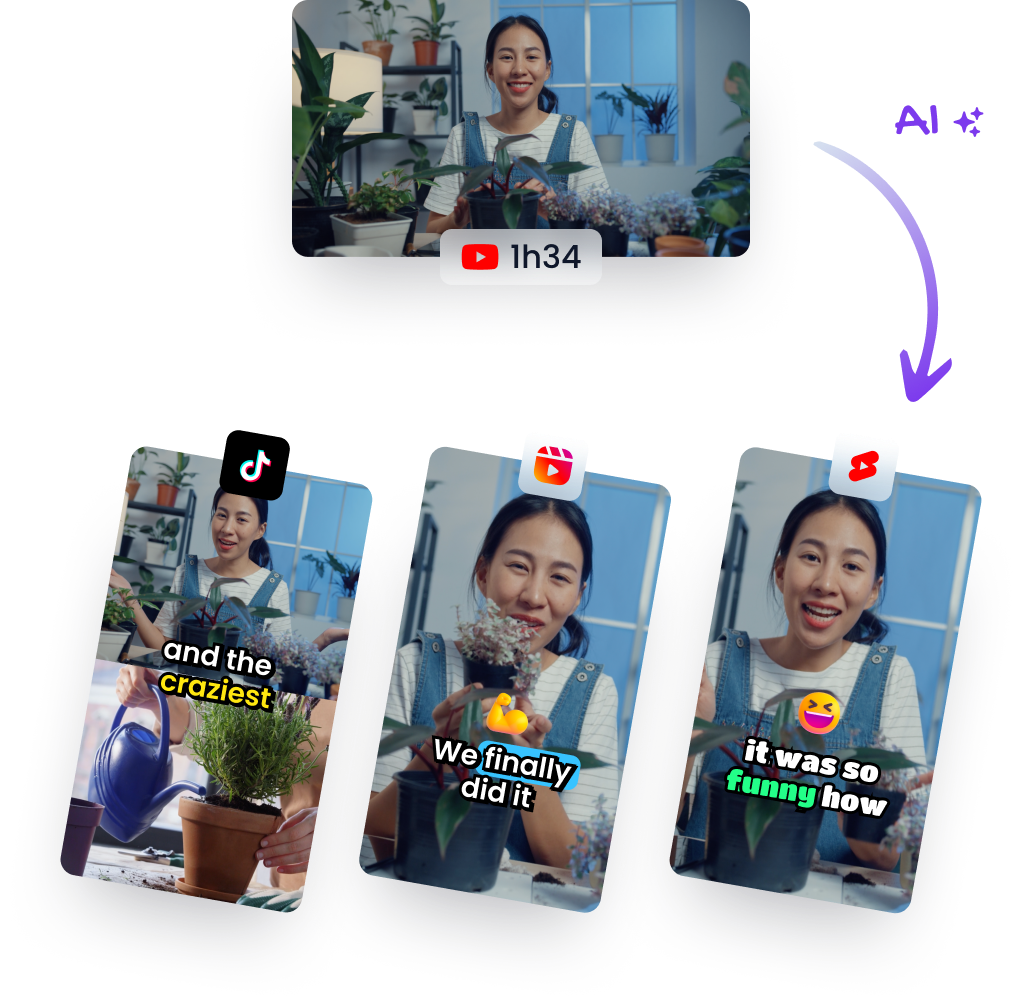
Learning how to make shorts is way easier than you might think, especially when you’re already sitting on a goldmine of long-form videos. The whole game is about repurposing your best stuff—finding those killer moments, reframing them for a vertical screen, and slapping on some dynamic captions. It’s an incredibly smart move to get more mileage out of the work you've already put in.
The Untapped Potential of Repurposing Video
You've poured hours into creating a fantastic long-form video—a podcast, a tutorial, an interview. But once it's published, so much of its value is just sitting there, locked away. Repurposing that content into shorts isn't just about chopping up clips; it's a powerful growth strategy that can multiply your reach with surprisingly little extra effort.

Think of it as building a bridge. On one side is your detailed, in-depth content. On the other is a massive, fast-paced audience that might never stumble upon your main channel otherwise. These are the viewers who want quick, digestible hits of information, and shorts are the perfect bait to grab their attention.
The numbers here are staggering. The market for short video platforms is on track to more than double, hitting a projected USD 106.22 billion by 2032. And get this—YouTube Shorts alone pulls in over 70 billion daily views from 2.3 billion monthly users. That's a potential audience that is simply too big to ignore.
Why Repurposing Is a Non-Negotiable Strategy
Building a repurposing workflow is one of the smartest things a creator can do right now. It aligns perfectly with how people consume content today and delivers real, measurable benefits for your channel’s growth and your own time management.
Here’s a breakdown of why it’s so effective:
- It’s a Massive Time-Saver: Instead of brainstorming, scripting, and filming a brand new video from scratch, you’re simply extracting value from an asset you already own. We’re talking about saving dozens of hours every month.
- You Reach a Whole New Audience: Shorts, Reels, and TikToks operate on completely different discovery algorithms. This allows you to tap into new demographics and viewers who might never find your long-form content through traditional search.
- Engagement Skyrockets: By delivering concentrated nuggets of value, shorts often generate higher interaction rates. A study showed that 66% of consumers prefer videos under 60 seconds. These shorts act like compelling trailers, driving curious viewers back to your full-length videos to see the bigger picture.
Key Takeaway: Repurposing isn't about creating more content—it's about making your best content work harder for you. It lets you build a solid presence on platforms like TikTok, Instagram Reels, and Shorts without the burnout that comes with constant new production.
Short-Form vs Long-Form Video Engagement at a Glance
To see just how different these formats perform, it helps to put them side-by-side. Short-form video excels at grabbing initial attention and driving quick interactions, while long-form content is where you build deep, lasting connections with your audience.
MetricShort-Form Video (e.g., Shorts, Reels)Long-Form Video (e.g., YouTube VOD)
Primary Goal
Discovery, quick engagement, brand awareness
Education, deep connection, community building
Ideal Length
15-60 seconds
10+ minutes
Viewer Intent
Passive browsing, looking for entertainment
Active searching, seeking specific information
Key Performance Indicator
View-through rate, shares, initial comments
Watch time, audience retention, click-through rate
Algorithm Focus
Recommends based on quick satisfaction signals
Recommends based on session time and authority
Understanding these differences is crucial. One isn't "better" than the other; they simply serve different purposes in your overall content strategy. They work best when they work together.
This approach transforms a single video into a whole content ecosystem. Every short you publish becomes a new doorway, inviting fresh fans to discover your core content. If you want to see exactly how this works in practice, check out our deep-dive on how to create YouTube shorts from existing video. It’s truly a foundational strategy for any creator trying to scale their reach without burning out.
How to Find and Frame Your Viral Moments
The secret to a great short isn't just chopping a random 60-second slice from your long video. It’s about hunting down the "golden nuggets"—those powerful, standalone moments that pack a serious punch. To create clips that actually connect, you have to start thinking like a short-form viewer, where the first 3 seconds determine whether they watch or swipe.
Your mission is to find the emotional peaks, the jaw-dropping stats, the strong opinions, or the crystal-clear takeaways buried in your content. These are the bits that can stand on their own and hook someone instantly. If you don't grab their attention right away, they’re gone.
So, what should you be looking for?
- Controversial Takes: A strong, polarizing opinion is a magnet for comments and debate.
- Actionable Tips: A single, direct tip a viewer can use right now is incredibly valuable.
- Surprising Data: A wild statistic or an unexpected fact makes people stop scrolling and think.
- Emotional Highs: A genuine laugh, a moment of vulnerability, or an exciting reveal builds an immediate connection.
This whole process is a mental shift. You're moving away from telling a long, winding story and instead delivering one powerful idea with maximum impact. If you need some inspiration, exploring different high-impact YouTube Shorts ideas can spark new ways of looking at your own footage.
The Art of the Vertical Reframe
Once you've snagged your golden nugget, the next make-or-break step is reframing it for a vertical screen. A lazy horizontal crop with giant black bars just screams low-effort. Mobile viewers expect content that feels native to their phone, and that means the 9:16 aspect ratio is non-negotiable.
A simple center crop often chops off the speaker's face or the main action, making the whole thing feel sloppy. Luckily, smart tools have solved this. Instead of just cropping the middle, they use intelligent face tracking to keep the speaker perfectly framed, even if they move around. This creates a much more dynamic, professional look that holds attention.
This is where AI comes in, automatically identifying key speakers and highlight-worthy moments, saving you from scrubbing through hours of footage yourself.

By automatically pinpointing these engaging segments, you can jump straight to polishing your best clips instead of wasting time just trying to find them.
Key Insight: Professional reframing isn't just a technical detail—it signals to the viewer that your content is high-quality and made for them. A well-framed video has a much higher chance of being watched to the end, which is a huge green flag for the algorithm.
Manually reframing every single clip is a tedious, time-consuming task. Using a tool like Klap automates this completely. It not only identifies potential viral clips but also applies speaker detection and auto-reframing on the spot. This means you can turn one long video into ten perfectly framed shorts in a fraction of the time, letting you focus on strategy instead of getting bogged down in editing.
Crafting Captions That Stop the Scroll
Once your clip is perfectly framed, it's time to talk captions. Let's be real: with a staggering 85% of social media videos being watched on mute, captions are no longer optional. They're an absolute necessity.
But this isn't just about accessibility. Great captions are a powerful tool for grabbing and holding attention until the very end of your video.

Forget the boring, default subtitles you see everywhere. If you want to stop the scroll, your captions need to be a core part of the visual experience. Think of it as creating a show that’s just as engaging with the sound off.
The Power of Styled Captions
There's a reason the "Alex Hormozi" style of captions—big, bold text with color-popping keywords and animated emojis—is everywhere. It just works. By visually emphasizing key words right as they're spoken, you create a rhythm that guides the viewer’s focus and hammers home your message.
Here’s how you can nail that dynamic, professional look:
- Go for a Bold Font: You need something thick and easy to read on a tiny screen. Fonts like Montserrat Bold or The Bold Font have the weight you're looking for.
- Use Strategic Color Pops: Make your most important words jump off the screen with a contrasting color like yellow, green, or red. This is a simple trick to direct attention to the punchline or key takeaway.
- Add Relevant Emojis: Don't just toss in random emojis for decoration. Use them to visually punctuate your points as they appear, adding a layer of personality and motion to the text.
This isn't just about looking slick; it’s about psychology. These visual cues help our brains process information faster and keep us from getting bored and swiping away. You can dive deeper into this technique in our guide on how to add captions to YouTube Shorts.
Expert Tip: Try to keep only one to three words on the screen at any given time. This simple change forces the viewer's eyes to follow along at the pace you're speaking, which can dramatically boost watch time and completion rates.
Automating the Captioning Process
Let’s be honest, manually transcribing, timing, and animating captions for every single short is a soul-crushing task. It can take hours. This is where automation becomes your secret weapon, turning a huge production bottleneck into a simple, two-click job.
For anyone using Klap, this entire process is completely automated. After you upload a long video, our AI doesn't just find the best clips—it also generates perfectly timed, beautifully styled captions in seconds. You can pick from different presets, tweak colors and fonts, and add emojis without breaking a sweat.
This level of efficiency is what separates creators who scale from those who burn out. With global video ad spend expected to hit over $190 billion in 2025 and 40% of brands now prioritizing short-form video, speed and quality are your biggest advantages. This trend is fueled by a massive 75% jump in consumption of short-form content. By automating the captioning grind, you free yourself up to do what really matters: creating more content and connecting with your audience.
Tailoring Your Shorts for Each Platform
Look, creating a killer short-form clip is only half the battle. Knowing where to post it—and how—is the other half. I've seen it a thousand times: a clip that absolutely crushes it on TikTok will do nothing but collect digital dust on Instagram Reels.
Why? Because each platform is its own unique ecosystem. They have different algorithms, different audience expectations, and completely different content cultures. A one-size-fits-all approach is a surefire way to waste your time and effort.
This isn't about making three entirely separate videos. It's about making small, smart tweaks to give your content a native feel. When you do that, you're signaling to both the users and the algorithm that you get the platform.
Optimizing for TikTok: The Trend Machine
TikTok is all about speed, raw energy, and whatever trend is blowing up right now. The algorithm loves content that feels immediate and authentic, so your edits need to be fast-paced and your ideas should tap into what’s already buzzing.
- Jump on Trending Audio: Using a popular sound is like a cheat code for discovery. Find a trending audio clip and see how you can fit your content into that format. This pushes your video way beyond your own followers.
- Keep Your Edits Quick and Punchy: Think jump cuts, sudden zooms, and rapid transitions. The TikTok audience has an infamously short attention span; you can't afford a single boring second.
- Hook Them in the First Second: The first second is your entire sales pitch. Hit them with a bold statement ("You're making your coffee wrong"), a wild visual, or a question they can't help but want the answer to.
Pro Tip: Don't just slap a trending song in the background and call it a day. The best creators find a way to weave the audio into the video itself, whether it's a perfectly timed visual punchline or a clever take on the trend. The more it feels like it belongs, the better it’ll perform.
Mastering Instagram Reels: The Aesthetic Hub
While Reels and TikTok are cousins, the Instagram audience often expects a bit more polish. It's a visual-first platform, so high-quality footage and clean, aesthetic editing can give you a real advantage.
Collaboration is also a massive piece of the puzzle on Instagram. Using features like Remix or Collabs is a brilliant way to get your content in front of another creator's audience, doubling your potential reach with a single post. It's a core growth strategy built right into the platform.
For a deeper dive into how these platforms stack up, our guide on TikTok vs YouTube Shorts really gets into the strategic details.
Conquering YouTube Shorts: The Growth Funnel
YouTube Shorts plays a unique and powerful role: it’s the ultimate discovery tool for your long-form videos. More than anywhere else, your Shorts on YouTube should act as irresistible trailers that lead people straight back to your main channel.
Think of every Short as the top of your marketing funnel. The goal is to deliver a quick, valuable piece of content that leaves the viewer hungry for more. YouTube helps you by letting you link directly to a related long-form video, creating a perfect growth loop.
Someone finds your 30-second clip, gets hooked, and clicks over to your 20-minute deep dive. That, right there, is how you turn casual scrollers into loyal subscribers.
Building Your Smart Publishing Workflow
Making great shorts is just one piece of the puzzle. If you aren't publishing them with a smart strategy, you're leaving a ton of views on the table. A consistent, repeatable workflow is what separates the creators who get real results from those who burn out. This is where you graduate from being just a content creator to a content strategist.
The secret weapon for a sustainable workflow? Content batching.
Here's the actionable insight: take one of your long-form videos and, in a single sitting, generate an entire week's worth of high-quality shorts. This approach is a game-changer for saving mental energy and keeping you way ahead of your content calendar.
Develop a Repeatable System
Your system doesn't need to be complex. It just needs to be consistent.
A simple content calendar—even a basic spreadsheet—is all you need to plan your drops, see what's working, and maintain a steady rhythm. This is how you stop scrambling for what to post next and start publishing with purpose.
This is exactly why savvy creators are going all-in on repurposing. The numbers are just too big to ignore: YouTube Shorts is now pulling in 70 billion daily views from 2.3 billion monthly users. On top of that, creators in the YouTube Partner Program report that Shorts can deliver 2.5x more engagement than other video types.
For creators using tools like Klap, this workflow becomes incredibly efficient. Just drop in a YouTube link, and its AI finds the best moments, reframes them for vertical viewing, and adds stylized captions. It turns hours of tedious work into a few minutes of review. You can dive deeper into these explosive YouTube Shorts statistics on voomo.ai.
A truly smart publishing process means tailoring each short for the specific platform it's going on, like the flow mapped out below.

This visual breaks down how a single video idea can be tweaked to fit the unique culture and algorithm of TikTok, Instagram, and YouTube. One size never fits all.
Your Pre-Publishing Checklist
Before you hit that "publish" button, take 30 seconds to run through this quick checklist. This final polish can be the difference between a flop and a viral hit.
Here's what should be on your list:
- Correct Export Settings: Is the video in a vertical 9:16 aspect ratio? Is the resolution crisp (1080p is the standard)?
- A Compelling Description: Does your caption add context or, even better, ask a question to get the comments rolling? A question can increase comments by over 50%.
- Strategic Hashtags: Did you include a good mix of broad (e.g., #productivity), niche (e.g., #notiontips), and trending hashtags that are relevant to your video's topic?
- Optimal Posting Time: Are you posting when your audience is actually online? Check your analytics on each platform to pinpoint these peak times.
Key Takeaway: Consistency beats intensity every single time. A well-oiled publishing workflow, built around batching and a simple pre-flight checklist, is what allows top creators to dominate platforms without getting overwhelmed. Your system is your biggest competitive advantage.
A Few Common Questions About Turning Videos Into Shorts
Jumping into a new format like Shorts always kicks up a few questions. When you're figuring out how to slice up your existing videos, a few common worries tend to pop up for most creators. Getting these cleared up from the start will help you build a smarter, more confident strategy.
What's the Real "Sweet Spot" for a Short's Length?
Even though platforms like YouTube let you go up to 60 seconds, the data shows that viewer attention wanes quickly. The real sweet spot for keeping eyeballs glued to the screen is usually somewhere between 15 and 45 seconds.
Your goal isn't to use every second you're given. It's to land one single, powerful idea that makes the viewer feel like they got something valuable, while leaving them curious for more.
A shorter clip that gets watched all the way through will outperform a longer one that people ditch halfway. The watch-through rate is a massive signal to the algorithm that your content is worth pushing to more people.
My rule of thumb is simple: Deliver one complete thought, make it punchy, and get out. Never try to cram three minutes of value into a 60-second clip. It just doesn't work.
How Many Shorts Can I Realistically Get From One Video?
This really comes down to the density of your long-form content.
If you have a fast-paced, hour-long podcast that's packed with insights, you could easily pull 10 to 30 fantastic clips from it. On the other hand, a slower, more narrative-driven video might only have a few moments that truly shine on their own.
The key is not to force it. Your job is to hunt for the genuine "golden nuggets"—those strong opinions, surprising stats, funny anecdotes, or clear takeaways that can stand alone without needing a ton of context. This is where an AI tool can be a lifesaver, quickly scanning your entire video to flag these potential clips so you can just cherry-pick the absolute best ones.
Will Posting Shorts Hurt My Main Channel?
This is probably the biggest fear I hear from creators, but it’s completely unfounded. In fact, it's the opposite.
YouTube has been very clear that Shorts are a massive discovery engine for your main channel. Think of them as your top-of-funnel marketing tool. They introduce your personality and your content to a huge new audience that might have never stumbled upon your long-form videos otherwise.
The trick is making sure your Shorts are thematically connected to your longer content. When you do that, you create a natural pathway for a brand new viewer to go from a 30-second clip to clicking over to your channel and binge-watching your entire library. That's how you turn casual scrollers into loyal subscribers.
Ready to stop wasting hours manually hunting for clips and start creating high-impact shorts in minutes? With Klap, you can turn any long-form video into a dozen perfectly framed, beautifully captioned clips with just one click. Turn your videos into viral shorts today.