A Guide to Formatting Videos for Instagram Reels and Stories
Other
To make your videos pop on Instagram, you have to nail the formatting. That means optimizing the aspect ratio, resolution, and file type so they feel natural in a mobile-first, vertical world. Getting these details right is the difference between a video that looks professional and one that gets stuck with ugly black bars, ultimately tanking its performance.
Why Your Instagram Video Format Matters More Than Ever
Long gone are the days when Instagram was a simple photo-sharing app. It's a video-first platform now, and your success depends on how well your content fits the mobile viewing experience. Just tossing up any old video clip is a surefire way to get lost in the noise.

The algorithm rewards videos specifically designed for its core formats—Reels, Stories, and even Feed posts. This isn't just about looking good; it's about performance. Properly formatted videos take up more screen space, which grabs attention faster and holds it longer. To Instagram, a longer watch time signals that your content is high-quality and worth showing to more people.
The Algorithm and Audience Expectations
Instagram is built to give users an immersive, full-screen experience. When you upload a video in the correct vertical aspect ratio, you’re playing by the rules and meeting your audience's expectations. A badly formatted video, like a horizontal clip squeezed into a vertical frame, feels jarring and unprofessional. That's a quick way to get your reach throttled.
The platform's pivot to video is impossible to ignore. A few numbers paint a clear picture:
- Video Dominates Watch Time: According to Meta, videos now make up over 60% of the time users spend on Instagram.
- Engagement is Higher: On average, video posts get 21.2% more interactions than static images.
- The Algorithm Fuels It: AI-powered video recommendations have led to a 24% jump in time spent on the platform, which shows just how hard Instagram is pushing this type of content.
Actionable Insight: Treat proper formatting as your first conversation with the algorithm. It's how you signal, "My content is designed for your audience," which can directly influence who sees your video.
Ultimately, mastering video formatting is a strategic move. It ensures your brand looks polished from the very first frame and is foundational to any successful video marketing on the platform. Even niche strategies, like figuring out how to market a law firm on Instagram, start with getting these technical details right to maximize your impact.
The Only Instagram Video Specs Cheatsheet You Need
Let's be real: keeping up with Instagram's video requirements can feel like hitting a moving target. If you get the specs wrong, your carefully crafted video ends up awkwardly cropped, pixelated, or worse, it won't even upload.
To take the guesswork out of it, here are all the essential details you need in one place.
Think of these specs less as annoying rules and more as the blueprint for making your videos look like they belong on the platform. Nailing these settings is the first—and easiest—step to making your content look professional and polished, without those weird compression artifacts or random black bars.
Key Video Specifications Decoded
Before diving into the numbers, let's quickly break down what the most important terms mean for your content. It’s pretty simple once you get the hang of it.
- Aspect Ratio: This is just the shape of your video—the relationship between its width and height. A 9:16 ratio is tall and skinny, perfectly designed for that full-screen mobile experience.
- Resolution: This is all about clarity. It measures the number of pixels in your video (like 1080 x 1920 pixels). Higher resolution means a sharper, cleaner image.
- File Type: This is the container your video lives in. MP4 is the gold standard for the web. It gives you a great balance of high quality and manageable file size, making it the perfect choice for Instagram.
Now that we've got the basics down, here’s everything you need to format your videos perfectly every time.
Actionable Insight: Don't let a simple technicality hold back your great content. Matching your export settings to these specs is one of the easiest wins you can get to immediately boost the quality of your videos.
Instagram Video Format Specifications at a Glance
Bookmark this table. Seriously. Use it as your go-to guide every single time you're exporting a video for Instagram. Sticking to these recommendations is your best defense against the platform's harsh compression, ensuring your video looks as crisp as possible.
Video TypeAspect RatioResolution (Recommended)Max LengthFile Type
Instagram Reels
9:16
1080 x 1920 pixels
90 seconds
MP4, MOV
Instagram Stories
9:16
1080 x 1920 pixels
60 seconds
MP4, MOV
In-Feed Video
4:5 (Portrait)
1080 x 1350 pixels
60 minutes
MP4, MOV
In-Feed Video
1:1 (Square)
1080 x 1080 pixels
60 minutes
MP4, MOV
A little more on this... For Reels and Stories, that immersive, full-screen 9:16 aspect ratio is a must. Don't even think about uploading anything else.
For your regular in-feed videos, you have a choice. While you can post square (1:1) or even landscape clips, the 4:5 vertical format is your secret weapon. Why? It takes up the most screen real estate on the feed, which is absolutely critical for stopping the scroll.
Remember, the vast majority of users—a reported 87%—are scrolling through Instagram vertically on their phones. Always optimize for that experience. It’s a simple change that makes a huge difference.
How to Reframe Horizontal Videos for a Vertical World
Let's face it: most high-quality video content isn't shot vertically. Your YouTube videos, podcast interviews, webinars, and any professionally filmed footage almost always start in a standard horizontal 16:9 format. The real challenge is figuring out how to adapt that wide-screen content for Instagram’s vertical-first world without it looking like a sloppy afterthought.
Just cropping your video and calling it a day won’t cut it. A clumsy crop can chop off important visuals, let the speaker drift out of view, or just feel plain awkward. What you need to do is reframe the shot, creating a new composition that feels like it was meant to be vertical.
This visual guide breaks down the main vertical formats you'll be working with.

As you can see, Reels and Stories demand a full 9:16 vertical frame. The Feed, however, uses a slightly shorter 4:5 ratio, which still does a great job of grabbing attention as people scroll.
Mastering the Art of the Vertical Reframe
Reframing is so much more than changing a video's shape; it’s about telling the viewer exactly where to look. Your first move should be to identify the most important element in your shot—usually the speaker's face, a product, or a key action. That element needs to stay locked in the center of your new vertical frame.
If you were to do this by hand in a video editor, you'd be in for a long, tedious process:
- Keyframing: This means you have to manually set points on the timeline to pan the "camera" left and right to follow a speaker who moves around. It's tedious work.
- Punch-ins: You’ll probably have to digitally zoom in to fill the vertical screen. Be careful here, as pushing in too far can make your video look grainy and low-quality.
- Safe Zones: You also have to constantly think about the Instagram interface. Keep important text and logos away from the very top and bottom of the frame, or they’ll get hidden by usernames, captions, and buttons.
Actionable Insight: The secret to a good reframe is anticipation. You're not just reacting to the action on screen; you're predicting where it's going next to create a smooth, natural shot that feels professional, not chaotic.
The AI-Powered Shortcut to a Perfect Reframe
Let’s be honest, who has time to manually reframe an entire video clip by clip? This is where AI-powered tools come in and completely change the game. Platforms like Klap were built to solve this exact problem, turning hours of mind-numbing editing work into just a few clicks.
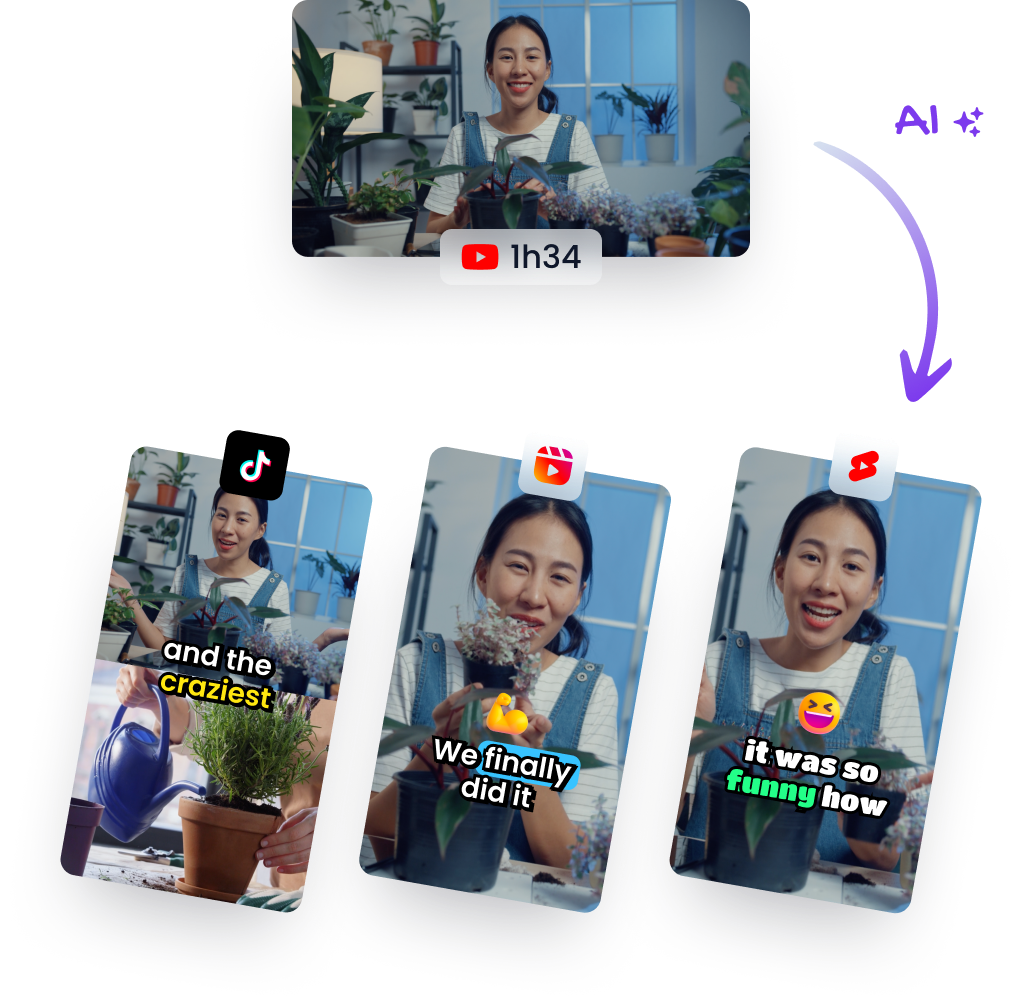
Instead of messing with manual keyframes, Klap’s AI automatically finds the main speaker or subject in your original horizontal video. It then intelligently tracks their movements, keeping them perfectly centered in a brand-new vertical clip. This process, often called AI-powered reframing, guarantees your composition looks polished and engaging every time, with zero manual labor.
If you’re looking for a simple way to handle this, you can learn more about how to crop video online for any social media platform. Automating this workflow gives you back the time to focus on what actually matters—the creative side of your content—instead of getting bogged down in repetitive technical tasks.
An AI-Powered Workflow for Repurposing Video Content
Let's be honest: manually chopping up a long video, reframing every single shot, and meticulously adding captions is a soul-crushing time sink. This is where a smarter workflow gives you a serious edge, letting you scale your content production without burning out or hiring a massive editing team.
Here's how you can use an AI tool like Klap to turn a single long-form video into a dozen perfectly formatted Instagram clips in minutes.
The process starts with your source material. Instead of wrestling with a huge file download, you can often just paste a YouTube link. From there, the AI transcribes the entire video and analyzes the content to pinpoint the most compelling, shareable moments. It’s actively looking for hooks, questions, and valuable takeaways that can stand on their own as great short clips.
It's as simple as it sounds—just drop in a YouTube URL to get started.
Almost immediately, the AI identifies dozens of potential short clips, each with a generated title and topic, ready for your review.
From Analysis to Ready-to-Post Clips
Once the analysis is done, the magic really happens. Klap doesn't just hand you a folder of random snippets. It presents a curated list of potential shorts, complete with AI-generated titles that nail the core idea of each clip. It automatically finds the most engaging parts, so you're not left guessing where the gold is hidden in your footage.
From there, the platform takes over all the tedious formatting tasks we’ve talked about:
- Automatic Reframing: It uses "face detection" to keep the speaker perfectly centered in a vertical 9:16 frame. You can forget about messing with manual keyframes or ending up with awkward, off-center shots.
- Dynamic Captions: It generates animated, word-by-word captions that are burned directly into the video. With up to 85% of social videos watched on mute, this is non-negotiable for grabbing and holding attention.
- Brand Customization: You can set up your brand colors, fonts, and logo just once. The AI will then apply them to every single clip it generates, keeping your content perfectly on-brand without you lifting a finger.
Actionable Insight: This workflow changes your role from a hands-on editor to a creative director. Instead of losing hours to repetitive tasks, you're simply reviewing and approving the AI's work. This frees you up to focus on the bigger picture—strategy and creation.
Fine-Tuning and Exporting
The AI does the heavy lifting, but you always have the final say. You can easily tweak the start and end points of any clip, edit the captions for accuracy, or even select entirely different parts of the video you want to highlight. It's the perfect blend of AI efficiency and human oversight, giving you both speed and quality control.
Once you’re happy with the clips, you can export them in the ideal format for Instagram Reels or Stories. The files are already optimized with the correct aspect ratio, resolution, and file settings, making for a seamless upload.
This entire process can turn a one-hour podcast into 10-15 high-quality social clips in a matter of minutes, not days. For creators trying to maximize their reach, using an AI reel generator can be an absolute game-changer. It’s the modern way to work smarter, not harder.
Final Touches That Drive Real Engagement
Okay, you’ve nailed the technical settings. Your video is perfectly formatted, but that's just the price of entry. A technically perfect video doesn't automatically earn an audience.
Now it's time to add the layers that actually stop the scroll and turn passive viewers into real followers. These are the details that separate a decent video from a great one when you're formatting videos for Instagram.

This is all about the human side of the viewing experience. How do you make your video impossible to ignore, even when the sound is off? You start by making it dead simple to consume.
Captions Are No Longer Optional
Think about it: a huge chunk of your audience is watching videos on mute—on the bus, at their desk, or late at night. In fact, some studies show up to 85% of social media videos are viewed with the sound off. Burned-in captions have become a non-negotiable part of any solid video strategy.
They aren't just for accessibility anymore; they're a powerful engagement tool.
Dynamic, word-by-word captions act like a visual magnet, pulling the viewer's eyes through your message and keeping them locked on the screen. While simple, static captions are better than nothing, animated text has been shown to boost watch time significantly. You can use a solid subtitle generator to make this part of the process a breeze.
Your New Obsession: Completion Rate
The Instagram algorithm is watching. Specifically, it’s watching to see how much of your video people actually stick around for. A high completion rate is a massive signal that your content is valuable, which tells the algorithm to push it out to more people.
This is exactly why shorter, punchier videos often outperform longer ones. While videos over 26 seconds can still get great engagement, the algorithm prioritizes completion rate as a key signal in its AI-ranked feeds. Keep your edits tight. A 15-second video that gets watched to the end is far more valuable to the algorithm than a 60-second one that people abandon halfway through.
Actionable Insight: Your goal isn't just to make someone stop scrolling; it's to convince them to watch until the very end. Prioritize a strong hook in the first three seconds and a clear payoff to maximize your completion rate.
Design a Scroll-Stopping Cover Image
Your video’s cover image, or thumbnail, is your one shot to earn that tap. It’s the billboard for your content, and a blurry, random frame from the middle of your video just isn’t going to cut it.
A great cover image has a few things in common:
- High-Contrast Text: Slap a compelling title or question right on the image. Make it bold, big, and easy to read on a small screen.
- A Human Face: We're biologically wired to connect with faces. Choose a frame that shows expressive emotion to build an instant connection.
- On-Brand Elements: Stick to your brand’s fonts and colors. This builds consistency and makes your content instantly recognizable in a crowded feed.
Beyond the video itself, you also have to publish it efficiently. To make sure your uploads are smooth and painless, it’s worth understanding how upload speeds impact content creation. Getting these final details right is what ensures all your hard work actually gets seen.
Your Top Instagram Video Formatting Questions, Answered
Even with a solid workflow, nagging questions always seem to pop up right in the middle of an export. Getting those little details right is what separates amateur content from a polished, professional feed.
Let’s clear up some of the most common hurdles creators face when formatting videos for Instagram.
What’s the Absolute Best Video Format for Instagram?
Stick with MP4. No question about it.
It’s the gold standard for a reason. An MP4 file typically uses the H.264 codec for video and AAC for audio, which strikes the perfect balance between crisp quality and a file size that won’t take forever to upload. This combination is universally supported and ensures your video plays smoothly for everyone.
Sure, Instagram says it supports MOV files, but they can be finicky and sometimes lead to weird compression artifacts. Why risk it? For the best results every time, export your MP4 with a frame rate of 30 frames per second (FPS) and a bitrate hovering around 3,500 kbps.
Why Does Instagram Keep Ruining My Video Quality?
We've all been there. You export a beautiful, crisp video, and the second it hits the feed, it looks like it was filmed on a potato. Instagram is always going to compress your video, but you can control how much damage it does.
The trick is to give its algorithm a file that's already close to what it wants. Don't make its compression engine work too hard.
A common mistake is exporting with a ridiculously high bitrate, thinking "more is better." It's not. That just signals Instagram's compressors to go into overdrive. Instead, start with a high-quality source file (always shoot for 1080p) and then export it within Instagram's preferred range.
Actionable Insight: Hitting that sweet spot bitrate of 3,500 to 5,000 kbps is key. It gives Instagram a clean file that doesn't need to be squashed, resulting in a much sharper final video on the feed.
One last pro tip: always upload over a stable Wi-Fi connection. A spotty cellular signal can introduce another layer of compression you have no control over, degrading your quality before the video is even live.
Can I Just Post My Horizontal Video to Reels or Stories?
Technically, you can. But please, don't.
Uploading a wide 16:9 video into a vertical 9:16 frame is an instant engagement killer. It shrinks your video down to a tiny box, surrounded by huge, ugly black bars. It screams "I didn't bother to format this," and viewers will scroll right past.
Users on Reels and Stories expect an immersive, full-screen experience. The only way to deliver that is to properly reformat your content into a native 9:16 aspect ratio. This is exactly what tools like Klap were built for. Its AI is smart enough to find the action in your horizontal shot and reframe it into a vertical clip that looks like it was meant to be there all along.
Ready to stop wasting hours on tedious editing and start creating perfectly formatted social clips in minutes? With Klap, you can turn any long-form video into dozens of viral-ready shorts with just a few clicks. Try it now and see how effortless content repurposing can be at https://klap.app.