A Pro Guide to Converting Video to TikTok Format for Viral Content
Other
To get your videos noticed on TikTok, you have to nail the format. I’m talking about the native 9:16 vertical aspect ratio. This isn’t just a technical detail; it’s the key to making your content fill the entire screen, giving your viewers a truly immersive experience.
Simply uploading a horizontal video and hoping for the best just won't cut it. You'll end up with those dreaded black bars, which is an instant signal to users that your content wasn't made for them. The real secret is to reframe and adapt everything for a mobile-first audience that expects full-screen magic.
Why Nailing the TikTok Format Is a Game Changer
Getting your video format right on TikTok is so much more than a simple technical tweak—it’s the strategic foundation for whether your content sinks or swims. In a world of endless scrolling, you have less than three seconds to grab someone's attention. A video that fills the screen feels professional and native to the platform, signaling to both the user and the algorithm that your content belongs there.
From a user's perspective, a poorly formatted horizontal video with ugly black bars looks completely out of place. It forces people to either turn their phones (they won't) or squint at a tiny video, creating friction that almost always leads to an instant swipe-away.
This tiny detail can have a massive impact on your initial watch time, one of the most important metrics the TikTok algorithm uses to decide if your content is worth pushing to the For You Page.
The Psychology of Mobile-First Viewing
Let’s be real about how people use their phones. According to recent studies, people hold them vertically 94% of the time. This has created a deep-seated, almost subconscious expectation for full-screen vertical content. When your video aligns with this natural habit, it just feels right. It reduces the cognitive load needed to watch and makes the experience completely seamless.
This immersive feeling is exactly what drives engagement. When your video takes over the entire screen, it minimizes distractions and pulls the viewer right into your world. This is absolutely crucial for:
- Increasing Watch Time: Viewers are far more likely to stick around when the content is easy to watch and visually fills their screen.
- Boosting Engagement Rates: An immersive format encourages more likes, comments, and shares because the viewer feels more connected and involved.
- Strengthening Brand Perception: Professional formatting makes you or your brand look polished, savvy, and in touch with current trends.
Algorithm Favoritism and Strategic Advantage
At its core, the TikTok algorithm is designed to promote content that keeps people on the platform longer. It’s no surprise, then, that videos formatted correctly in the 9:16 ratio consistently outperform their horizontal counterparts. They perfectly align with the platform's fundamental design.
By adapting to the native vertical experience, you aren't just checking a technical box; you're actively working with the algorithm, not against it. This simple act of conversion transforms a mundane step into a powerful strategic advantage, setting your content up for maximum reach and impact from the moment you hit "post."
Getting Your TikTok Video Specs Right
Before you even think about turning that long-form video into a TikTok clip, you have to know the rules of the road. Getting the technical specs right isn't just about ticking boxes to avoid an error message; it's about giving your content the best possible chance to look sharp, feel native, and get a fair shake from the algorithm.
Think of it this way: if your foundation is wrong, everything you build on top of it will be wobbly. Ignoring these specs can lead to headaches—ugly black bars, grainy footage, and audio that doesn't sync. TikTok's compression can be brutal, so starting with the right settings is your first line of defense against quality loss.
The Core Technical Numbers You Can't Ignore
Let's cut to the chase and talk about the numbers that truly matter. The 9:16 aspect ratio is the big one. It's the full-screen vertical format that makes a video feel like it was made for TikTok. You'll want to pair that with a resolution of 1080x1920 pixels, the sweet spot for looking crisp on any modern smartphone.
When it comes to the file itself, TikTok plays nicely with the most common, efficient formats. To stay out of trouble, stick to these:
- File Type: MP4 or MOV are your safest bets.
- Video Codec: H.264 is the industry standard for a reason. It gives you a fantastic balance between high quality and manageable file size.
- Audio Codec: AAC is the way to go for clean, reliable audio that won't cause issues on upload.
Nailing these core specs is the first, and arguably most important, step in making sure the video you spent hours editing is the one your audience actually gets to see.
Understanding why each spec matters is key. A 9:16 ratio fills the screen for an immersive feel. The H.264 codec keeps your video from looking like a pixelated mess. The right resolution makes you look like a pro. Mastering these small details is what separates an amateur upload from a polished, professional video.
To make things even easier, here's a quick cheat sheet you can reference anytime you're exporting a video for TikTok.
TikTok Video Technical Specifications Cheat Sheet
SpecificationRequirementWhy It Matters
Aspect Ratio
9:16
Fills the entire vertical screen for a native, immersive viewing experience.
Resolution
1080x1920 pixels
Ensures your video is sharp and high-quality on modern smartphone displays.
File Type
MP4 or MOV
These are the most widely supported and reliable formats for the platform.
Video Codec
H.264
Provides the best compression, balancing high video quality with a smaller file size.
Audio Codec
AAC
Delivers clean, high-quality sound that is universally compatible.
Frame Rate
30-60 FPS
Creates smooth, fluid motion that looks professional and is pleasing to the eye.
File Size (Max)
72 MB (Android), 287.6 MB (iOS), 500 MB (Web)
Prevents upload failures and ensures your video is processed correctly by TikTok.
Getting these specs right from the start saves you a ton of frustration and ensures your content has the best possible chance of succeeding.
Frame Rate and File Size: The Final Hurdles
Once you have the basics down, there are two more things to keep an eye on: frame rate and file size. For frame rate, you'll want to aim for 30-60 frames per second (FPS). This gives you that smooth, fluid motion that viewers expect on social media. While 30 FPS is a perfectly solid baseline for most content, a higher FPS can make fast-moving action shots look incredible.
File size limits are where things can get tricky, especially since they differ depending on your upload method. As TikTok has moved from 15-second clips to much longer videos, these limits have become more important. The maximum file sizes are strict: 72 MB on Android, 287.6 MB on iOS, and a more generous 500 MB on the web. This is exactly why efficient compression using MP4/MOV files with an H.264 codec is so critical.
If you export your video and find the file is too big, don't panic. You'll just need a tool to compress or resize it before uploading. Mastering video resizing for social media ensures your content always fits within platform rules without sacrificing too much quality.
How to Convert Videos Using Smart AI Tools
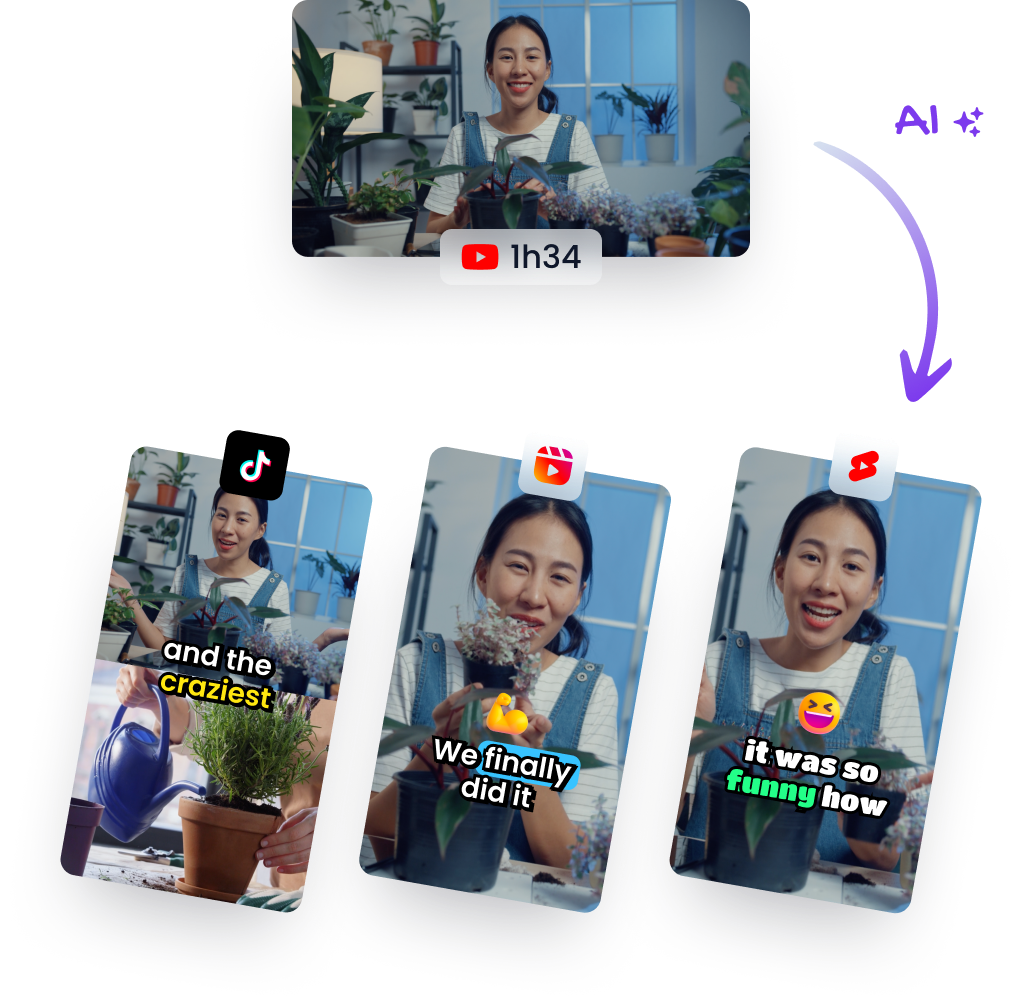
Let's be honest: manual editing is a time-consuming grind. Trying to turn one long YouTube video into a dozen TikTok-ready clips can easily burn your entire day. This is where AI-powered tools come in, completely changing the game for creators who need to convert video to TikTok format efficiently.
Imagine this: you just finished a one-hour podcast. Instead of spending hours scrubbing through the timeline looking for highlights, you upload the file to an AI tool. Within minutes, the software has analyzed the entire video, pinpointed the most engaging segments, and generated a collection of vertical clips, ready to go.
This is the new reality of the AI-powered workflow. Tools like Klap are built to take the most tedious parts of video repurposing off your plate, letting you build a high-volume content machine without the burnout.
The AI-Powered Conversion Workflow
Getting started is simpler than you might think. The whole process boils down to a few clicks, with the AI doing the heavy lifting in the background.
- Upload Your Source Video: You can either drag and drop your long-form video file or just paste in a YouTube link. The AI immediately gets to work analyzing both the video and the audio.
- AI Analysis and Clip Generation: This is where the magic happens. The AI isn't just randomly chopping up your video; it's actively looking for key topics and "viral moments"—think compelling questions, strong statements, or shifts in energy. Based on that analysis, it generates a whole series of short clips, already formatted for vertical viewing.
- Automatic Reframing and Captions: One of the most powerful features is AI reframing. The tool intelligently tracks the speaker's face, making sure they stay perfectly centered in the 9:16 frame, even if they were sitting off to the side in the original wide shot. At the same time, it generates word-by-word captions, which is non-negotiable when research shows up to 85% of social media videos are watched with the sound off.
The point of these AI tools isn't just to crop your video. It's to intelligently re-imagine it for a vertical, fast-paced world. It handles the technical headaches so you can focus on creative strategy.
This quick visual breaks down the key specs that these tools automatically handle for you.
As you can see, the tool nails the 9:16 aspect ratio, 1080p resolution, and MP4 format right out of the box. No more messing with export settings.
Refining and Exporting Your AI-Generated Clips
While the AI does a fantastic job, the best content always has a human touch. Most AI platforms give you a simple editor to make those final tweaks.
You can easily drag the start and end points of a clip, fix any typos in the auto-generated captions, or even change the highlight color on certain words to make them pop. This final review step is what makes the clips feel uniquely yours.
With an AI TikTok video generator, you can go from a single long video to a dozen polished clips in a fraction of the time it would take to do it by hand.
Once you’re happy, just hit export. The clips are already optimized and ready for a direct upload to TikTok, Reels, and Shorts. This turns content repurposing from a chore into a core growth strategy. If you're looking to create new content from scratch and not just repurpose, it's worth checking out some of the top AI video generator tools available.
Polish Your Converted Clips for Maximum Engagement
Alright, you’ve successfully converted your video to the right TikTok format. That’s the first step, but the real work starts now. A clip with perfect specs is just your ticket to the game; winning requires the human touches that make your content belong on the platform.
AI-generated clips give you a massive head start, but think of them as a solid rough draft. They almost always need a final layer of polish to truly connect with an audience. Your first stop? The captions. Even the best AI can miss the tiny nuances in your speech or the specific vibe of your brand.
Sharpen Your Hooks and Captions
The first three seconds of your video are non-negotiable. Seriously. Your goal is to stop the scroll, and a punchy hook is your best weapon. Your AI tool probably pulled a decent hook, but you can almost always make it better.
Look at that opening line. Can you make it more intriguing? More controversial? More direct?
Once the hook is locked in, comb through the rest of the captions. You’re not just proofreading for typos; you're injecting personality.
- Correct Nuances: Clean up any transcription mistakes and make sure the punctuation matches the rhythm of how you actually talk.
- Add Personality: Don't be afraid to sprinkle in on-brand emojis. They add visual flair and help convey emotion. 🔥
- Emphasize Keywords: Use the editing tools in a platform like Klap to change the color or style of key phrases you really want to stick in your viewers' minds.
Taking a few minutes to refine your captions is one of the highest-impact things you can do. If you want to get even more creative, a dedicated subtitle generator tool can give you advanced styling options to make your text even more dynamic.
A great video tells a story, but great captions ensure everyone can follow along. Polished, easy-to-read captions are non-negotiable for retaining viewers who watch with the sound off.
Layer in Trending Audio and Visuals
Sure, the original audio from your video is the star, but layering in a trending TikTok sound can give you a serious algorithmic advantage. The key is to be subtle.
Dive into TikTok’s sound library and find a trending track that matches the mood of your clip. The trick is to turn its volume way down—somewhere around 1-5%. It should be a faint background layer that doesn’t compete with your voice. This small step signals to the algorithm that your content is part of a current trend, which can seriously boost its reach.
Finally, let’s talk about what people see before they even hit play.
- Text Overlays: Add a simple, bold text overlay at the very top of the screen that summarizes the video's core value (e.g., "3 Mistakes Holding You Back..."). This is your secondary hook.
- Custom Thumbnails: Before you post, always select a custom cover. Pick a frame that is clear, engaging, and ideally shows your face. It’s a simple way to build a human connection before the video even starts.
These small tweaks—a sharper hook, polished captions, a hint of trending audio, and a solid thumbnail—are what separate a basic clip from a viral contender. They add the essential human element that AI can’t fully replicate, turning a well-formatted video into one that truly resonates.
Master Your Export Settings and Fix Common Upload Issues
You’ve done the hard part. You found the perfect moment, reframed it, and added killer captions. Now for the final hurdle: getting that clip onto TikTok without anything breaking.
This is where many creators stumble. Nailing your export settings is your last line of defense against TikTok's notorious compression, ensuring the crisp video you see in your editor is what your audience sees on their For You Page.
But even with the right settings, things can go wrong. Knowing how to troubleshoot common issues is the difference between a smooth upload and a technical headache. Let's make sure your hard work doesn't go to waste at the finish line.
Dialing in Your Final Export Settings
Whether you're exporting from an AI tool like Klap or a traditional editor like Premiere Pro, the goal is always consistency. Before you hit that render button, take a second to double-check that your project settings line up with what TikTok wants. This simple check can save you from those dreaded compression artifacts.
For the best results, lock these settings in and make them your default:
- Format: Stick with MP4. It's the universal standard for a reason, offering a perfect balance between quality and file size.
- Codec: Always choose H.264. It's incredibly efficient, keeping your video looking sharp without creating a massive file that will take forever to upload.
- Bitrate: For a 1080p video, a variable bitrate between 5,000 to 8,000 kbps is the sweet spot. This gives TikTok enough data to work with for clear visuals without making the file unnecessarily bulky.
Think of these settings as your foundation. Straying from them often prompts TikTok to aggressively re-compress your file, which is the number one cause of that fuzzy, pixelated look we all hate.
Troubleshooting Common Upload Problems
Even when you do everything right, sometimes TikTok just decides to be difficult. It happens. Here are the most common upload issues you'll run into when you convert a video to TikTok format and how to fix them.
Pro Tip: If you're constantly battling quality issues, try uploading from your desktop. The web uploader handles larger files (up to 500 MB) and often uses less aggressive compression than the mobile app.
1. The "Video Stuck Processing" Nightmare
This one is infuriating. You upload your video, the bar completes, and then... nothing. It just spins in processing purgatory forever.
- Check Your Connection: Nine times out of ten, an unstable Wi-Fi or cellular connection is the culprit. Try switching to a stronger network and re-uploading the file.
- Clear the App Cache: Head into your TikTok app settings and hit "Clear Cache." A bloated cache can cause all sorts of weird interference with uploads.
- The Classic Restart: Sometimes, the simplest fix works. Force-quit the TikTok app, reopen it, and try again. This can often resolve temporary glitches.
2. The Sudden Quality Drop
You upload a pristine 1080p video, but when you watch it back on the app, it looks like it was filmed on a potato. This is almost always a compression issue.
- Confirm Your Resolution: Double-check your export file. Did you actually export it at 1080x1920 pixels? Anything lower will get chewed up by TikTok’s compression algorithm.
- Upload on a Stable Connection: A spotty connection can cause the app to panic and default to a lower-quality version of your video during the upload. Make sure your internet is solid before you hit post.
3. Audio Is Out of Sync
Your video looks perfect, but the audio is just a fraction of a second off, making it completely unwatchable. This is a classic sign of a variable frame rate problem.
- Use a Constant Frame Rate: When you export, make sure you select a constant frame rate (like 30 FPS) instead of a variable one. This locks the audio and video tracks together so they can't drift apart.
- Re-Encode the File: If the problem persists, try running the video through a free tool like HandBrake. Re-encoding the file with a constant frame rate before you upload it to TikTok will almost always solve the sync issue for good.
Common Questions (and Expert Answers) About Converting Videos
Even with the best tools, turning a long video into a killer TikTok clip can leave you with some nagging questions. Let's clear up the common sticking points I see creators run into all the time. Getting these right is the key to building a workflow that feels smooth and confident.
Can I Just Crop a Horizontal Video to Fit TikTok?
Technically, you can. But you really, really shouldn't. Just slapping a vertical crop on a 16:9 video is a fast track to mediocre, unprofessional-looking content.
Think about it: a simple crop often chops your main subject right out of the frame or destroys the original composition. If you crop a wide-shot podcast interview, you might end up with just someone's forehead or lose one of the speakers completely. The result just feels awkward.
A much smarter move is to use AI reframing tools. They intelligently follow the action and keep the important stuff in view, giving you a clip that feels like it was made for vertical viewing.
What Is the Ideal Video Length for TikTok Engagement?
There's no single magic number, but data points to a sweet spot between 21 and 34 seconds. That’s typically long enough to deliver a punchline or a quick tip but short enough to hold the attention of someone scrolling at lightning speed.
But here’s the real secret: value trumps length every time. An incredibly engaging 60-second story will always outperform a boring 15-second clip. Your main focus should be delivering on the promise you made in your hook. If you do that, viewers will stick around.
The goal isn't a specific runtime; it's narrative density. You want to pack as much value, entertainment, or information into every single second as you can. When you do that, the perfect length finds you.
How Do I Get Those Popular Auto Captions on My Videos?
You know the ones—those dynamic, word-by-word animated captions that are all over high-engagement TikToks. The vast majority of creators use third-party AI tools like Klap, Captions, or CapCut to get that look.
These platforms automatically transcribe your audio and then give you a ton of control to customize the font, colors, and animation style to match your brand. While TikTok has its own built-in caption feature, these external tools almost always deliver better accuracy and way more creative freedom.
Does TikTok Reduce Video Quality After Uploading?
Yes, and it's frustrating. Like pretty much every social media platform, TikTok compresses videos to save server space and make sure they load quickly for everyone. This compression is why your perfectly crisp video can look a bit grainy after you post it.
To fight back against this quality loss, you have a few lines of defense. First, always start with a high-quality source file (at least 1080x1920). Next, export using the recommended H.264 codec. Finally, make sure you're uploading over a strong, stable Wi-Fi connection. A lot of creators find that uploading from a desktop computer often preserves quality better than from the mobile app.
Ready to stop wasting hours on manual editing and start pumping out viral shorts in minutes? Let Klap's AI do the heavy lifting. Just upload your long-form video and watch it get transformed into a dozen engaging, ready-to-post clips. See for yourself how easy it is to turn videos into viral shorts.