10 Best Ways to Promote a Podcast for Growth and Reach in 2026
Other
Creating a great podcast is only half the battle; getting people to actually listen is the other. In a jam-packed audio space, you can't just publish and pray. Many creators fall into this trap, hoping listeners will magically find their content. This guide is designed to change that by giving you a clear, tactical blueprint for growing your audience. We’ll move beyond vague advice to detail the best ways to promote your podcast with concrete steps you can take today.
This isn't a theoretical overview. It's a roundup of actionable strategies. We'll cover everything from turning your YouTube channel into a discovery engine to leveraging guest appearances and building a community that genuinely cares. For instance, data from one study shows that podcasts sharing short promotional clips can see up to a 155% increase in traffic from social media. This article breaks down how to implement that strategy and nine others.
Forget surface-level tips. Here, you'll learn how to:
- Repurpose a single episode into dozens of social media assets.
- Use SEO to make your show pop up in podcast directories and on Google.
- Build an email list that drives consistent downloads every time you release an episode.
- Collaborate with other creators to tap into new, relevant audiences.
Each tactic is a piece of a larger promotion puzzle. Let's dive into the proven methods top creators use to build massive, engaged audiences.
1. Social Media Cross-Posting & Multi-Platform Distribution
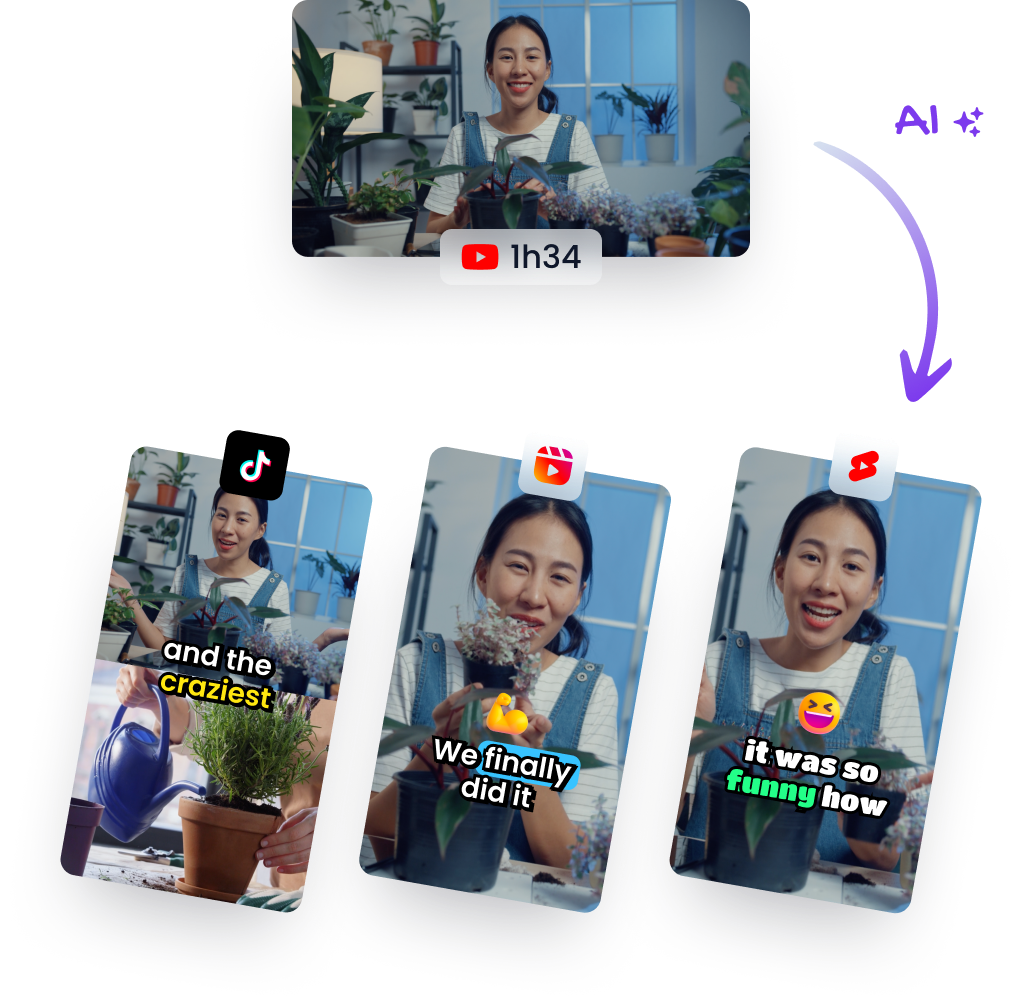
One of the most effective ways to promote your podcast is to meet potential listeners where they already hang out: on social media. This means taking your main podcast episode and chopping it up into short, engaging clips to post across platforms like TikTok, Instagram Reels, and YouTube Shorts. You're essentially turning one piece of long-form content into a widespread marketing campaign.
Instead of just posting a boring link to your full episode, you're creating native video clips that grab attention and make people curious. For example, the Huberman Lab podcast shares short, science-backed clips that look great on both Instagram Reels and YouTube Shorts, building a massive audience. Similarly, Call Her Daddy uses provocative clips to spark conversation and pull social media scrollers directly to their latest episodes.
How to Implement This Strategy
To do this right, you need an efficient workflow. The goal is to maximize your reach without burning yourself out on editing.
- Automate Clip Creation: Use a tool like Klap to automatically find the most interesting moments in your podcast and generate dozens of short-form clips. This tech can also add dynamic captions and resize videos for each platform's format (like 9:16 for TikTok).
- Tailor Your Content: The video might be the same, but you should customize the caption and hashtags for each platform. LinkedIn needs a more professional tone, while TikTok is all about trending sounds and casual language.
- Schedule Strategically: Post consistently, aiming for 2-3 clips per week on each platform. Use a scheduling tool to post when your audience is most active. For many, that's between 6 PM and 9 PM on weekdays.
- Track and Optimize: Keep an eye on your analytics. If you notice clips on a specific topic are crushing it on TikTok but flopping on Instagram, adjust your strategy. This data-driven approach ensures you're putting your effort where it counts.
By distributing platform-specific clips, you don't just promote your podcast; you build a multi-channel content engine that continuously attracts new listeners. To learn more about creating these clips, check out this guide on how to make Reels with existing video.
2. Guest Appearance Leverage & Expert Positioning
Featuring guests on your show (or appearing on other podcasts) is a fantastic way to promote your podcast. It's about more than just the interview; it's about turning those conversations into assets that establish authority and reach new audiences. When you pull out and share your guest's most compelling insights, memorable quotes, or even controversial takes, you build credibility and attract listeners who are looking for that specific expertise.
This turns a single interview into a marketing win for everyone. Clips from the Lex Fridman Podcast featuring renowned scientists often go viral on their own, acting as standalone educational content that funnels viewers back to the full episode. When Tim Ferriss shares highlights from guests like Naval Ravikant, those clips attract an audience interested in philosophy and wealth, expanding his podcast's reach. The key is to frame the content around the value and expertise being shared.
How to Implement This Strategy
To really leverage your guests, you need a system for identifying and packaging the best moments from your episodes. This ensures both you and your guest get maximum promotional mileage.
- Identify 'Expert' Moments: During editing, pinpoint segments where your guest delivers a powerful insight, a surprising statistic, or a clear piece of actionable advice. A 30-second clip can often see 2x the engagement of a 2-minute one on platforms like Instagram.
- Create Value-Driven Clips: Generate both short (30-60 seconds) and longer (2-3 minutes) video clips. The short clips are perfect for quick hits on TikTok and Reels, while the longer ones can provide deeper context on YouTube or LinkedIn.
- Make Co-Promotion Easy: Always tag your guests in posts and use their names in captions. Before the interview, ask if they're cool with you creating clips and encourage them to share. Sending them ready-to-post assets makes it a no-brainer for them to participate.
- Frame as Standalone Wisdom: Package the clips not just as "a moment from our podcast," but as standalone pieces of wisdom. Use titles like "The #1 Mistake Entrepreneurs Make" or "A Neuroscientist's Tip for Better Sleep." This focuses on the value, making the content more shareable.
3. Hashtag Strategy & Trending Topic Integration
To get more organic reach, you need to tap into existing conversations using a smart hashtag and trend strategy. This is more than just throwing in generic tags. It involves researching and using hashtags that connect your content with engaged audiences who are actively searching for your topics. When you align your short-form clips with what's trending, you seriously increase their chances of being discovered.
This method signals to the platform's algorithm what your content is about and who it's for. For example, a true-crime podcast can get immediate traction by using specific tags like #TrueCrimeCommunity alongside a high-volume one like #PodcastClips. A fitness podcast could schedule content using #FitnessMotivation and #NewYearNewMe in January, catching the wave of seasonal interest to attract new listeners.
How to Implement This Strategy
A good hashtag strategy isn't a "set it and forget it" task. It requires consistent research and adaptation to stay relevant.
- Combine Broad and Niche Hashtags: For each post, use a mix of tags. A good formula is 3-5 high-volume, general hashtags (e.g.,
#Podcast2024), 5-7 niche-specific tags that describe the clip (e.g.,#EntrepreneurTips), and 1-2 branded hashtags for your show (#YourShowName). - Identify Trending Topics: Use tools like Google Trends or just spend 10 minutes a day scrolling the "For You" and "Explore" pages on TikTok and Instagram. When a relevant topic starts trending, quickly create a clip that offers your podcast's unique perspective on it.
- Research and Rotate Regularly: Hashtag performance changes fast. Spend some time each week checking out what hashtags your competitors are using. Ditch the tags that aren't working and test new ones to keep your strategy fresh.
- Track Performance: Use each platform's built-in analytics to see which hashtags are driving the most views and engagement. This data is gold for refining your approach and understanding what your target audience actually cares about.
4. Email Newsletter Integration & List Building
One of the most sustainable ways to promote your podcast is to own your audience. Building an email list gives you a direct line to your most dedicated listeners, without having to worry about social media algorithms. You can nurture this community by sending exclusive content, episode highlights, and behind-the-scenes updates directly to their inboxes.
Instead of just hoping people remember to check for new episodes, you can actively tell them, which drives consistent downloads. The Tim Ferriss Show sends a weekly "5-Bullet Friday" email that often features highlights from recent episodes, keeping his audience hooked. Similarly, Lenny's Podcast uses its newsletter to share deep-dive summaries and exclusive content related to guest interviews, turning casual listeners into a loyal community.
How to Implement This Strategy
A successful email strategy is about providing real value, not just sending a "new episode" notification. Your newsletter should be a resource your listeners look forward to.
- Incentivize Sign-Ups: Give people a compelling reason to subscribe. Offer a free guide, a bonus Q&A clip, or access to full show notes. Mention this "lead magnet" at the start and end of your podcast episodes.
- Create Engaging Content: Don't just send a link. Embed a short, 30-60 second teaser clip in the email to show off the episode's best moment. Include key takeaways in bullet points and a personal note about why they should listen. Emails with video have been shown to increase click-through rates by up to 300%.
- Time Your Sends: Send your newsletter within 24 hours of an episode's release to capitalize on the initial buzz. A well-timed email can give a huge boost to your first-week download numbers.
- Optimize for Clicks: Use a clear call-to-action button that links directly to the episode on Apple Podcasts and Spotify. Write specific subject lines like "Unpacking the Future of AI with [Guest Name]" instead of a generic "New Episode Out Now." Using High Performance Email Marketing (EDM) strategies ensures your outreach actually works.
5. Community Engagement & Fan-Generated Content Campaigns
One of the most authentic ways to promote a podcast is by turning your passive listeners into active fans. This strategy is all about encouraging your audience to create and share their own content inspired by your episodes, also known as user-generated content (UGC). By launching challenges, contests, or simple discussion prompts, you empower your community to spread the word for you.
This creates a flywheel effect where your audience becomes a core part of your marketing. For example, the My Favorite Murder podcast inspired a massive community of "Murderinos" who create fan art, memes, and discussion threads on Reddit, which has massively boosted the show's visibility. Fans of Call Her Daddy often create reaction videos on TikTok, sharing their takes on episode clips and spreading awareness organically.
How to Implement This Strategy
To get a UGC campaign going, you need to make it easy and rewarding for your community to join in. The goal is to build a vibrant ecosystem around your podcast.
- Create a Branded Hashtag: Come up with a clear and memorable hashtag (e.g.,
#[YourPodcastName]Clips) for fans to use. This centralizes all the content and makes it easy for you to track. - Run Contests and Offer Incentives: Motivate people by running monthly contests for the best UGC. Offer prizes like podcast merch, a shoutout on an upcoming episode, or even a guest appearance.
- Amplify Listener Content: Actively repost, share, and celebrate the content your listeners create. Featuring their work on your official channels not only rewards them but also encourages others to participate.
- Build a Community Hub: Create a dedicated space for fans to connect, like a Discord server or a private Facebook group. Use this hub to post discussion questions, share behind-the-scenes content, and build a deeper connection with your most engaged listeners.
- Make Clipping Easy: To encourage sharing, you can find a guide on how to make viral shorts from your episodes and provide fans with pre-made clips or instructions on how they can easily create their own. This removes friction and makes people more likely to participate.
6. YouTube Channel Optimization & Playlist Curation
Treating your podcast's YouTube channel as a top priority—not just a place to dump old content—is one of the best ways to promote your show. YouTube is the world's second-largest search engine, and optimizing your presence there can unlock a huge audience. This means uploading full episodes, creating strategic playlists, and carefully optimizing all your metadata to work with the YouTube algorithm.
Successful podcasts like the Joe Rogan Experience use YouTube to publish full video episodes alongside algorithm-friendly Shorts. Channels like TED Talks organize their content into thematic playlists, turning casual viewers into binge-watchers. This approach transforms your channel from a simple archive into a powerful tool for finding new listeners.
How to Implement This Strategy
A solid YouTube presence requires consistency and attention to detail. The goal is to maximize discoverability and get people to watch for longer, which are key signals to the YouTube algorithm.
- Optimize Video Metadata: Use tools like TubeBuddy or VidIQ for keyword research. Put your main keyword first in your titles (e.g., "[Topic] with [Guest Name]") and write detailed descriptions over 500 words with timestamps.
- Create Strategic Playlists: Organize episodes into playlists based on topics or guests. This encourages viewers to watch multiple videos, which increases your channel's watch time and makes you more discoverable. A 1% increase in click-through rate can lead to a significant boost in impressions over time.
- Design High-CTR Thumbnails: Create custom thumbnails with high-contrast colors, large text, and expressive faces. A compelling thumbnail can dramatically increase your click-through rate (CTR).
- Leverage YouTube Shorts: Use a tool like Klap to automatically generate dozens of engaging Shorts from your full episodes. Shorts are a powerful way to reach new audiences and funnel them to your long-form content.
- Engage and Direct Traffic: Create a channel trailer that explains what your podcast is all about. Use pinned comments and end screens to link back to your main audio platforms like Spotify and Apple Podcasts.
7. Influencer & Creator Collaboration & Partnerships
One of the quickest ways to promote your podcast is by tapping into existing, engaged communities through strategic partnerships. This involves teaming up with creators in similar niches to cross-promote content, effectively introducing your show to a pre-qualified, relevant audience. This goes beyond simple guest spots to include clip collaborations, mutual shout-outs, and joint content ventures.
This method gives you a warm introduction to new listeners because the endorsement comes from a creator they already trust. The H3 Podcast frequently features other YouTubers, leading to a massive cross-pollination of their audiences. When a guest from a different popular podcast appears on The Joe Rogan Experience, both shows typically see a significant lift in listenership as curious fans check out the other's content.
How to Implement This Strategy
A successful collaboration is built on mutual value and clear communication. The goal is to create a win-win that benefits both you and your partner.
- Identify & Vet Partners: Look for creators whose audience overlaps with yours but who aren't direct competitors. A fitness podcast could partner with a nutritionist, for example. Use tools to check their audience engagement, not just their follower count, to make sure they have an active community.
- Propose a Specific Value Exchange: Instead of a generic "let's collab," reach out with a concrete idea. Suggest a specific topic for a joint episode or a clip-swapping agreement. Clearly state what they'll get out of it.
- Create Mutually Beneficial Assets: After recording, use a tool like Klap to instantly generate promotional clips from the collaboration. Give your partner a folder of ready-to-post, captioned short-form videos they can share. This makes it easy for them and maximizes the promotional impact for both of you.
- Execute a Coordinated Launch: Plan your promotion together. Agree on a posting schedule for the episode and social clips, and be sure to tag each other in all posts and show notes. A unified promotional push amplifies your collective reach.
8. Paid Advertising, Retargeting Campaigns & Analytics-Driven Optimization
Beyond organic growth, using paid advertising is one of the best ways to promote a podcast and speed up audience acquisition. This involves using platforms like Meta (Instagram/Facebook), TikTok, and even podcast networks to run targeted ads. By combining paid promotion with analytics and retargeting, you can systematically scale your listenership and actually measure your return on investment.
This isn't about blindly boosting posts. It's a calculated effort to reach hyper-specific audiences. Established podcasts often run TikTok ads promoting new seasons, while others use YouTube pre-roll ads featuring compelling episode clips. The key is to treat advertising as a continuous, data-informed system for attracting new listeners.
How to Implement This Strategy
To succeed with paid ads, you need a structured approach focused on testing, measuring, and refining your campaigns.
- Use High-Performing Creative: Repurpose your short, engaging video clips as your ad creative. Tools like Klap can generate dozens of these, which are perfect for platforms like Instagram Reels and TikTok where native, fast-paced content performs best.
- Start with Test Budgets: Allocate an initial budget of $500 to $1,000 to test different platforms, audiences, and ad variations. This lets you gather baseline data without a huge financial risk.
- Target Precisely and Retarget: Start by targeting "lookalike" audiences based on your existing email list. At the same time, run retargeting campaigns aimed at people who have already visited your site or engaged with your content, as they are often 50% cheaper to convert into listeners.
- Track and Optimize: Set up analytics to track key metrics like cost per download and listener completion rates. Use A/B testing on ad copy and thumbnails. If one ad variation drives a 20% higher click-through rate, reallocate your budget to it and pause the underperformers.
By strategically investing in paid channels, you can break through the noise and put your podcast directly in front of the people most likely to subscribe.
9. SEO Optimization & Podcast Directory Submission
For long-term growth, one of the most powerful things you can do is treat your podcast like a search engine asset. SEO optimization and submitting your show to all directories ensures you're discoverable not just in podcast apps, but also on Google. This strategy turns your audio content into a magnet for listeners who are actively searching for information on your topics.
Instead of relying only on social media buzz, this approach builds a solid foundation of visibility. A technical podcast like Lex Fridman Podcast often shows up in search results for complex topics like "consciousness and AI" because its episodes are well-documented online. Similarly, a business podcast can capture high-intent searches like "how to start a saas company" by optimizing its episode titles and descriptions.
How to Implement This Strategy
A successful SEO strategy requires a mix of technical and content-focused work. The goal is to make it easy for both podcast directories and search engines to understand and rank your content.
- Optimize Your Metadata: Start with keyword research using tools like Ahrefs or Google Keyword Planner. Include your main keyword naturally in your podcast title and write detailed, keyword-rich show notes (at least 400-500 words) for each episode.
- Publish Full Transcripts: Search engines can't listen to audio, but they can crawl text. Publishing a full transcript for every episode on your website makes your entire conversation indexable. This exponentially increases the number of keywords you can rank for.
- Submit Everywhere: Manually submit your podcast's RSS feed to all major directories, including Apple Podcasts, Spotify, Google Podcasts, Amazon Music, and Stitcher. Each submission creates another way for new listeners to find you.
- Create Companion Blog Posts: For each episode, create a dedicated, SEO-optimized blog post that summarizes key takeaways, includes the full transcript, and links to relevant resources. This leverages your website's authority to attract organic traffic from Google searches.
By systematically optimizing your podcast's digital footprint, you build an evergreen discovery engine that works for you 24/7.
10. Live Events, Q&A Sessions & Virtual Community Building
Building a loyal community is one of the best ways to promote a podcast, and live events are a fantastic way to turn passive listeners into active participants. This involves hosting real-time, interactive experiences like live episode recordings or virtual Q&A sessions. It creates a powerful feedback loop, offers an exclusive "behind-the-scenes" feel, and generates shareable content on the spot.
This direct interaction makes your audience feel seen and valued, fostering a much deeper connection than a standard pre-recorded episode. Many YouTube creators now host live podcast recordings where they respond to chat messages in real-time. Similarly, Twitch streamers often pivot into live, discussion-based podcast formats, leveraging the platform’s interactivity to build a dedicated community.
How to Implement This Strategy
Executing a successful live event requires more than just hitting the "go live" button. A strategic approach ensures you get maximum engagement and can turn the event into a promotional asset.
- Promote Extensively: Announce your live event at least two weeks in advance. Promote it multiple times a week across social media, your email list, and in your podcast episodes leading up to the date.
- Multi-Stream for Maximum Reach: Use a tool like Restream or StreamYard to broadcast simultaneously across multiple platforms like YouTube, Twitch, and Instagram Live. This meets your audience wherever they are.
- Incorporate Interactive Elements: Don't just talk at your audience; talk with them. Use live polls, feature questions directly from the chat, and give shout-outs to attendees. Live streams with viewer interaction can have a 50% higher engagement rate than those without.
- Repurpose Immediately: The work isn't over when the stream ends. Capture the best moments and create a highlight reel for social media within 24 hours. Archive the full recording and edit it into a polished, on-demand podcast episode for those who couldn't make it live.
Top 10 Podcast Promotion Strategies Comparison
Strategy🔄 Implementation Complexity⚡ Resource Requirements📊 Expected Outcomes (⭐)Ideal use cases💡 Key advantages
Social Media Cross-Posting & Multi-Platform Distribution
Medium — multi-platform formatting & scheduling
Medium — editing + scheduling tools
Broad reach across platforms; performance varies by channel (⭐⭐⭐⭐)
Rapid awareness growth; repurposing one episode across channels
Cost-effective scale; consistent cross-platform presence
Guest Appearance Leverage & Expert Positioning
Medium — careful clipping and permissions
Low–Medium — editing time, guest coordination
Strong authority signals; high shareability and referral listens (⭐⭐⭐️⭐)
Episodes with notable experts or quotable insights
Boosts credibility; encourages guest amplification
Hashtag Strategy & Trending Topic Integration
Medium — trend research & monitoring
Low — research tools and daily checks
Improved discoverability when timed with trends; short-lived impact (⭐⭐⭐)
Timely episodes or topical clips tied to current conversations
Low-cost way to tap viral conversations and explore pages
Email Newsletter Integration & List Building
Medium — setup, segmentation, cadence
Medium — content creation + email platform
High conversion and direct traffic; durable first‑party audience (⭐⭐⭐⭐)
Retention, monetization, exclusive content distribution
Owned channel not dependent on platform algorithms
Community Engagement & Fan-Generated Content Campaigns
High — moderation and program management
Low–Medium — community platforms, incentives
Authentic amplification and high engagement; UGC-driven reach (⭐⭐⭐⭐)
Shows with engaged listeners aiming for virality and loyalty
Generates lots of content and strong social proof
YouTube Channel Optimization & Playlist Curation
High — SEO, thumbnails, consistent uploads
High — video production and optimization tools
Long-term discoverability and monetization potential (⭐⭐⭐⭐)
Video-first audiences; archiving full episodes and clips
Second-largest search engine; long content lifespan
Influencer & Creator Collaboration & Partnerships
Medium — partner selection and coordination
Low–Medium — outreach and co-creation
Immediate audience access; credibility lift if aligned (⭐⭐⭐⭐)
Cross-promotion with adjacent creators and micro-influencers
Fast access to relevant, established audiences
Paid Advertising, Retargeting & Analytics Optimization
High — campaign setup, tracking, A/B testing
High — ad spend + expertise
Rapid, measurable reach and scalable acquisition; ROI varies (⭐⭐⭐⭐)
Fast growth, testing creative, lookalike targeting
Predictable scale and data-driven optimization
SEO Optimization & Podcast Directory Submission
Medium–High — keyword strategy & technical work
Medium — content, transcripts, site work
Sustainable organic traffic and high‑intent discovery over time (⭐⭐⭐⭐)
Niche topics, long-term search visibility and authority building
Compound growth; captures search-driven listeners
Live Events, Q&A Sessions & Virtual Community Building
High — live production and scheduling
Medium–High — streaming setup and promotion
Deep engagement and loyalty; potential viral highlights (⭐⭐⭐⭐)
Audience-building with interactive formats and exclusives
Creates urgency, unscripted moments and strong community bonds
Putting Your Promotion Plan into Action
You now have a playbook filled with the best ways to promote your podcast. We've covered a multi-faceted approach, from social media cross-posting to paid advertising and community engagement. The main takeaway is clear: podcast growth today isn't about finding one magic bullet. It's about building a robust, interconnected promotion engine.
Effective promotion isn't a one-time task. It’s an ongoing system where each part helps the others. Your guest appearances will grow your email list. The short-form video clips you create for social media will drive traffic to your full-length YouTube episodes. Your SEO efforts will attract new listeners who then join your virtual community. This synergy is where sustainable growth happens.
From Knowledge to Action: Your Next Steps
The number of strategies can feel overwhelming, but progress comes from focused, consistent effort. Don't try to do all ten things at once. Instead, pick a path that aligns with your current resources and goals.
Here’s a simple framework to get started:
- Do a Self-Audit: Where are your biggest opportunities? If you have a strong social media presence but no email list, start with Email Newsletter Integration. If your audio is great but you're invisible on YouTube, focus on YouTube Channel Optimization.
- Select Your "Big Two": Choose two strategies from the list to master over the next 90 days. For many, a powerful starting combo is Social Media Cross-Posting (especially with short-form video) and Guest Appearance Leverage. These two offer a great mix of content repurposing and new audience acquisition.
- Define Your KPIs: How will you measure success? Don't just track downloads. Monitor metrics specific to your chosen strategies. This could be referral traffic from a guest appearance, new email subscribers, or the engagement rate on your video clips. Let the data guide you.
Key Takeaway: The goal is not to do everything, but to do a few things exceptionally well. Consistency beats sporadic effort every single time. Master one promotional flywheel, then build another.
The Long-Term Value of a Promotion System
By moving beyond just publishing and hoping for the best, you are investing in the long-term health of your show. Mastering these promotional tactics transforms your podcast from a simple audio file into a powerful content asset. It becomes the center of a content ecosystem that builds your brand, nurtures a loyal community, and opens doors to new monetization opportunities.
The best ways to promote a podcast are ultimately the ones you can stick with. The work you put into promotion amplifies the value of the great content you're already creating. It ensures your voice reaches the people who need to hear it, turning passive listeners into dedicated fans. Start small, stay consistent, measure your results, and watch your impact grow.
Ready to turn your best podcast moments into a powerful promotion machine? Klap makes it effortless to transform your long-form video episodes into dozens of viral-ready short clips for social media. Stop spending hours editing and start reaching new audiences by visiting Klap to see how it can supercharge your content repurposing workflow.