10 Social Media Marketing Best Practices to Dominate in 2026
Other
In the fast-paced world of social media, last year's strategies are already collecting dust. Today, attention is the most valuable currency, and holding it requires a smarter approach. Gone are the days of just posting and hoping for likes. The current landscape, dominated by short-form video and smart algorithms, demands a more strategic, efficient, and data-driven mindset. Brands and creators who master this new playbook aren't just staying relevant; they're building real communities and seeing incredible growth.
This guide breaks down the essential social media marketing best practices that separate the viral hits from the content that flops. We'll give you actionable insights, backed by real-world data, to help you win on platforms like TikTok, Instagram, and YouTube. Instead of generic advice, you'll get a clear roadmap covering everything from repurposing content to analyzing your performance and building a loyal community. We'll explore how to get the most out of every piece of content, engage your audience authentically, and turn passive viewers into true fans. Whether you're a seasoned marketer or just starting out, these ten practices are your blueprint for success. Let's dive in.
1. Repurposing Long-Form Content into Short-Form Clips
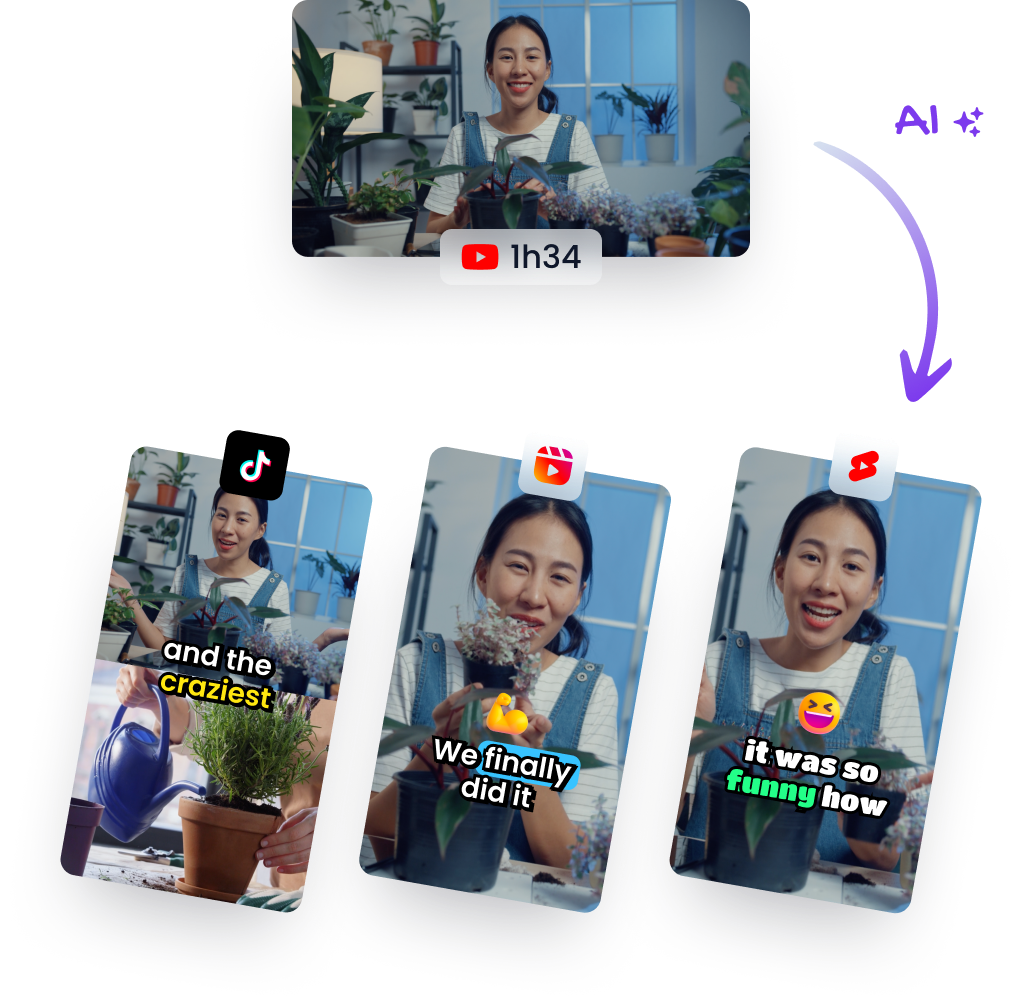
One of the smartest social media marketing best practices is to get more mileage out of the content you already have. Instead of constantly brainstorming new ideas, you can turn your long-form videos—like podcasts, webinars, or in-depth YouTube videos—into dozens of engaging, short-form clips. This strategy multiplies your content output by up to 10x, extending the life and reach of your best work across platforms like TikTok, Instagram Reels, and YouTube Shorts.
Why This Strategy Works
This approach works because it gives people on short-form platforms exactly what they want: quick, high-impact value. By pulling out the most compelling moments, key takeaways, or funniest segments from a longer video, you deliver a concentrated dose of value without asking for a big time commitment. Creators like MrBeast are pros at this, turning massive YouTube challenges into dozens of viral TikToks. This not only captures a new audience but also drives traffic back to their main content, massively boosting the ROI on their original production investment.
How to Implement This Practice
Successfully repurposing content isn't just about chopping up a video. You need a smart approach to make each clip feel like it was made for its new home.
- Identify Peak Moments: Watch your long-form video and pinpoint the parts with the strongest emotional hooks, clearest insights, or most surprising reveals. These are your gold mines for clips.
- Ensure Each Clip Stands Alone: Every short clip needs to make sense on its own. Make sure it has a clear beginning, middle, and end, even if it's only 30 seconds long.
- Optimize for Vertical Viewing: Reframe your horizontal video to a 9:16 vertical aspect ratio. Tools like Klap or Adobe Premiere Pro’s Auto Reframe feature can automatically keep the speaker in focus, saving you hours of manual editing.
- Add Captions and Context: Since around 85% of social media videos are watched without sound, burned-in captions are non-negotiable. Add a text overlay or a title to give immediate context to viewers who stumble upon your clip.
2. Platform-Specific Optimization and Formatting
A huge mistake is posting the exact same video everywhere. A critical social media marketing best practice is to tailor your content to the unique rules and culture of each platform. This means optimizing everything from aspect ratios and caption styles to using trending audio and adjusting your tone to fit TikTok, Instagram Reels, and YouTube Shorts. A "one-size-fits-all" approach simply doesn't work anymore.

Why This Strategy Works
Each platform's algorithm rewards content that feels like it belongs there. A video optimized for TikTok's fast-paced, sound-on culture won't perform as well on YouTube Shorts, where watch time and topic relevance matter more. By respecting these differences, you're telling the algorithm that your content creates a good user experience, which leads to more views. For example, using a trending sound can give your TikTok an instant boost, while a great title and description are vital for discovery on YouTube Shorts.
How to Implement This Practice
Adapting your content doesn't have to double your workload if you build it into your process.
- Format for Each Feed: Always use the correct aspect ratio—typically 9:16 for vertical video. Use tools that can automatically adjust the formatting for different platforms at once to save time.
- Adapt Your Hook: The first three seconds are everything. Customize your opening hook for each platform’s style. A direct, text-on-screen hook might work best on TikTok, while a more cinematic intro could perform better on Instagram Reels.
- Use Native Features: Get creative with platform-specific features like TikTok’s Duet or Stitch, Instagram's interactive stickers, or YouTube's end screens. This shows you understand how the platform works.
- Analyze and Adjust: Use the built-in analytics on each platform to see what's working. Check which formats, sounds, and posting times get you the best results, and tweak your strategy based on that data.
3. Strategic Use of Captions and Text Overlays
Don't sleep on this one: a crucial social media marketing best practice is the smart use of captions and text overlays. With a massive number of users watching videos on mute (up to 85% on some platforms), captions have gone from a nice-to-have to an absolute must for engagement and understanding. This means adding on-screen text that either transcribes what's being said or adds extra context, making sure your message hits home no matter how someone is watching.
Why This Strategy Works
This tactic directly caters to how people consume content today. By making your video understandable without sound, you instantly capture a wider audience. Research shows that captioned videos can increase view time by over 12%. Captions also improve retention, as they keep viewers locked in and help clarify key points. Think of podcast clips with dynamic, word-for-word transcriptions—they are incredibly engaging. Plus, captions make your content inclusive for deaf and hard-of-hearing audiences and can even boost your video’s SEO.
How to Implement This Practice
Effective captions are more than just a transcript; they should be designed to enhance your video.
- Generate and Refine: Use tools like Klap to auto-generate captions, then quickly review and edit them for accuracy and to match your brand's voice.
- Prioritize Readability: Choose clear, easy-to-read fonts with strong color contrast against your video background. Always check how they look on a small mobile screen.
- Position Strategically: Place captions where they won’t cover up important visuals. The lower-middle third of the screen is a safe bet, but adjust as needed.
- Emphasize Key Hooks: Make your captions dynamic. Use color changes, bolding, or even emojis to highlight keywords and grab a viewer's attention in those critical first few seconds.
4. Hook-First Content Structure and Story Arcs
In a world of infinite scrolling, one of the most vital social media marketing best practices is creating content that stops people in their tracks. This means starting your videos with a powerful hook in the first 1 to 3 seconds, then following it up with a clear story that keeps people watching. This "hook-first" strategy recognizes that you only have a split second to earn someone's attention on a mobile feed.

Why This Strategy Works
This approach is all about human psychology. A strong hook creates curiosity or an emotional reaction that makes people want to see what happens next. MrBeast is a master of this, often starting videos with unbelievable statements like, "I just gave away a private island." Educational creators do it by posing a controversial question or debunking a common myth. This method instantly communicates your video's value, which boosts watch time and signals to the algorithm that your content is worth showing to more people.
How to Implement This Practice
Creating a great hook-first video requires a mix of creativity and smart editing.
- Find Your "Golden Moment": Before you edit, figure out the single most interesting, shocking, or valuable part of your content. That's your hook.
- Put the Hook Right at the Start: Your hook has to appear within the first two seconds. This could be a dramatic visual, a bold text overlay ("You're using this wrong"), or a provocative question.
- Use Pattern Interrupts: Grab attention with a sudden change in sound, a quick camera cut, or animated text. These techniques break a viewer's passive scrolling and make them pay attention.
- Test and Analyze: Don't guess what works. Create multiple versions of a video with different hooks and check your analytics. Look at audience retention graphs to see which openings are best at keeping people watching past the 3-second mark.
5. Consistent Posting Schedule and Batching Strategy
One of the most effective social media marketing best practices is to combine a consistent posting schedule with a content batching strategy. This means you post at a predictable rhythm while producing your content in focused, productive bursts. This powerful combo feeds the algorithms, which love regular activity, and saves you from the creative burnout of trying to come up with something new every single day.
Why This Strategy Works
Consistency builds habits for your audience and signals reliability to the algorithms. When your followers know when to expect new content, engagement becomes more predictable. Batching makes this possible by turning content creation into an assembly line. Instead of scrambling daily, you set aside a few hours to create a week's or even a month's worth of content at once. This method is used by top creators because it reduces mental fatigue, improves content quality, and gives you a safety net for busy weeks.
How to Implement This Practice
A successful batching system requires some upfront planning and the right tools.
- Plan Your Cadence: Look at your analytics to find the best days and times to post for your audience. Set a realistic schedule you can stick to, whether it's three times a week or once a day.
- Batch Your Creation: Dedicate one session to creating multiple short-form clips from a single long-form video. Tools like Klap are perfect for this, letting you generate a backlog of content from just one podcast or YouTube video.
- Schedule in Advance: Use the native scheduling tools on platforms or apps like Buffer and Later to schedule your entire batch of content a week or two ahead. This keeps your profiles active even when you're not.
- Build a Content Buffer: Your goal should be to stay 2-4 weeks ahead of your live posting schedule. This buffer gives you the freedom to jump on a timely trend or take a vacation without breaking your consistency.
6. Trend Awareness and Trending Audio/Music Integration
A key social media marketing best practice today is to tap into online culture. This means actively watching for and using trending sounds, music, hashtags, and video formats in your content. When you do this, you signal to the algorithms that your content is timely and relevant, which can give your organic reach a massive boost and help you connect with audiences through shared cultural moments.
Why This Strategy Works
Platforms like TikTok and Instagram are designed to promote content that uses trending audio. When a user engages with a video using a certain sound, the algorithm shows them more videos with that same sound. By jumping on these trends, you insert your brand into a fast-moving discovery cycle, reaching new audiences who are already interested in that style of content. For example, a finance creator who uses a trending meme format to explain a complex topic can make their content way more engaging and shareable.
How to Implement This Practice
Using trends effectively is a balancing act between speed and staying true to your brand.
- Monitor Trend Hubs: Regularly scroll through the TikTok "For You" page and Instagram's Reels tab. These feeds are your best source for spotting what sounds and formats are starting to blow up.
- Adapt, Don't Just Copy: Find a creative way to apply a trend to your own niche. If a popular audio involves a funny reveal, use it to show off a new product feature or a surprising statistic from your industry.
- Act Fast: Trends have a very short lifespan, often peaking in just a few days. Try to identify and create content around a relevant trend within 24-48 hours to get the most out of it.
- Stay on Brand: Not every trend is right for your brand. Be picky and only join in on trends that align with your brand’s voice, values, and overall message.
7. Community Engagement and Conversation Starters
Great social media marketing isn't a lecture; it's a conversation. This best practice is all about creating short-form clips designed to spark comments, shares, and real discussions. By directly asking questions, inviting friendly debate, and actually replying to comments, you turn your content into a community hangout. This not only boosts your visibility in the algorithm but also builds real brand loyalty.
Why This Strategy Works
This approach works because it taps into what social media algorithms want: engagement. Platforms like TikTok and Instagram reward content that creates conversation because it keeps users on the app longer. When a video gets a lot of comments, the algorithm sees it as valuable and shows it to more people. A HubSpot study found posts that ask questions get significantly more comments. Creators who ask "hot take" questions or pose relatable problems see massive engagement because people feel an urge to share their own opinions.
How to Implement This Practice
Building an engaged community takes a consistent and deliberate effort. To create a real online community, you need to use powerful social media engagement strategies to build genuine connections.
- End with a Question: Try to end at least 50% of your videos with a clear, open-ended question. Instead of just saying, "Here's our new product," ask, "What's the one feature you wish this product had?"
- Respond Quickly and Meaningfully: Be active in your comments section, especially in the first hour after posting. Replying to top comments shows you're listening and encourages more people to join in.
- Spark Friendly Debate: Post a "this or that" question related to your niche or share a common problem and ask, "What would you do in this situation?" This gets viewers emotionally invested.
- Feature Your Audience: Give a shout-out to insightful or funny comments in your next video or story. This makes your audience feel seen and valued, encouraging them to engage even more.
8. Data-Driven Analytics and Performance Optimization
One of the most important social media marketing best practices is to stop guessing and start measuring. This means regularly diving into your platform analytics, audience insights, and performance metrics to constantly improve your content strategy. By treating social media as a measurable channel, you can optimize everything from which clips you post to when you post them, ensuring your hard work pays off with real results.
Why This Strategy Works
A data-driven strategy replaces guesswork with facts, helping you understand exactly what your audience loves and why. Instead of just hoping a video goes viral, you can spot patterns in your best-performing content and repeat that success. For example, many YouTubers analyze their audience retention graphs to find the exact moments where viewers were most engaged. They then turn those specific moments into short-form clips that are already proven to be compelling. This cycle of testing, measuring, and refining is the key to consistent growth.
How to Implement This Practice
Making analytics part of your routine requires a few key habits.
- Schedule a Weekly Review: Block out time each week to look at your analytics. Focus on 3-5 key metrics for each platform, such as average view duration, watch-through rate (what percentage of people finish the video), and click-through rates on your links.
- Find Your Winning Formula: Look at your top 10 performing videos from the last month. Break down what made them work. Was it the hook? The topic? The format? Use these insights to guide your next batch of content.
- Test and Iterate: To get clear results, test one thing at a time. For instance, A/B test two different hooks for the same video or post the same clip at different times to see what works best. This gives you clear, actionable data.
- Segment Your Audience: If your analytics allow, look at how different audience segments (e.g., age, location) respond to your content. You might find that one type of video performs incredibly well with a specific group, opening up new strategic opportunities.
9. Cross-Platform Distribution and Audience Expansion
A key pillar of modern social media marketing best practices is to stop putting all your eggs in one basket. Instead of relying on a single platform's algorithm, you should strategically share your content across multiple social channels to meet your audience where they already are. This recognizes that a potential customer might first discover you on TikTok, follow you on Instagram for daily updates, and watch your long-form videos on YouTube, giving you multiple ways to connect.
Why This Strategy Works
This multi-platform approach maximizes your reach and protects you from algorithm changes on any one platform. By showing up on channels like TikTok, Instagram Reels, and YouTube Shorts, you can tap into different user bases and viewing habits. For example, a podcaster can share an insightful audio clip on Twitter, a video highlight on TikTok, and the full episode on YouTube, getting three times the potential discovery from a single piece of content. To do this well, understanding the basics of omnichannel marketing is key to creating a seamless brand experience.
How to Implement This Practice
Managing multiple platforms successfully requires a smart workflow and an understanding of each channel's vibe.
- Start Small and Scale: Begin with the 2-3 platforms where your target audience hangs out the most. Get really good at your strategy there before you expand, so you don't spread yourself too thin.
- Adapt, Don't Just Re-post: While the core video can be the same, tweak the presentation for each platform. This means using native text styles, adding trending audio where it makes sense, and using platform-specific hashtags.
- Centralize Your Workflow: Use a social media management tool like Buffer or Later to schedule posts across all your platforms from one place. This helps you stay consistent without the headache.
- Track What Works: Use UTM parameters in your links to track which platforms are sending you the most valuable traffic and customers. This data will help you focus your energy on the channels that deliver the best results.
10. Niche Specialization and Audience Authority Building
Instead of trying to be everything to everyone, one of the most powerful social media marketing best practices is to go deep on a specific niche. This strategy involves becoming a true expert in a targeted subject area to build authority and grow a loyal, engaged community. By becoming the go-to source for a particular topic, you attract an audience that trusts your opinion and actively looks for your content.
Why This Strategy Works
Niche specialization works by trading broad reach for deep impact. While general content often gets lost in the noise, specialized content connects powerfully with a dedicated audience, leading to much higher engagement and a stronger community. For example, neuroscientist Andrew Huberman has built a massive following by focusing only on science-backed tips for health and performance. This laser focus builds trust and turns casual viewers into loyal fans who see you as an essential resource, not just another face in their feed.
How to Implement This Practice
Building authority in a niche requires a deliberate strategy that constantly reinforces your expertise.
- Define Your Focus: Find the sweet spot where your genuine expertise meets an audience's passion. Get specific. Instead of just "finance," focus on "real estate investing for beginners."
- Create Deep-Dive Content: Develop short video series that help your audience understand complex topics within your niche. Use tools like Klap to efficiently pull these focused clips from your longer videos.
- Show Your Work: Back up your claims by mentioning research, studies, or other experts. This adds a layer of credibility that is essential for building real authority.
- Collaborate Within Your Niche: Team up with other creators in your space. This cross-promotion introduces you to a new, highly relevant audience and solidifies your status as an expert in the community.
Top 10 Social Media Best Practices Comparison
Strategy🔄 Implementation Complexity⚡ Resource Requirements⭐ Expected Outcomes📊 Ideal Use Cases💡 Key Advantages
Repurposing Long-Form Content into Short-Form Clips
Medium — editing workflows + automation setup
Moderate — tooling, quality source material, batch processing
High — increased output, reach, and ROI
Creators with long-form archives (podcasts, webinars, YouTube)
Maximizes content ROI; multiplatform reach; cost-efficient scaling
Platform-Specific Optimization and Formatting
High — per-platform customization & frequent updates
Moderate–High — design, captioning, testing per platform
High — better engagement and algorithmic favorability
Brands/creators targeting specific platforms or native experiences
Improves UX and retention; native algorithmic benefits
Strategic Use of Captions and Text Overlays
Low–Medium — generate + review captions, style overlays
Low — STT tools, editorial review, styling assets
High — improved retention, accessibility, and SEO
Silent-viewing audiences, educational and accessibility-focused content
Boosts watch-through and discoverability; accessible to more viewers
Hook-First Content Structure and Story Arcs
Medium — creative editing and hook testing
Low–Medium — creative time, analytics for A/B testing
High — higher CTR and watch-through; more shares/comments
Attention-sensitive platforms and viral-focused content
Prevents early drop-off; increases early engagement signals
Consistent Posting Schedule and Batching Strategy
Low–Medium — planning, calendar and scheduling workflows
Moderate — content buffer, scheduling tools, occasional review
Medium — improved reach from consistency; reduced burnout
Series creators, high-output channels, agencies
Efficiency and predictability; builds audience habits
Trend Awareness and Trending Audio/Music Integration
High — continuous monitoring and rapid execution
Moderate–High — trend tools, creative agility, quick edits
High (short-term) — rapid spikes in visibility and engagement
Trend-driven niches and youth-focused platforms (TikTok, Reels)
Fast reach gains and cultural relevance when timely and authentic
Community Engagement and Conversation Starters
Medium — active moderation and response processes
Moderate — community managers, moderation tools, time investment
High — stronger loyalty and comment-driven visibility
Brands and creators focusing on community-building and retention
Builds loyalty, generates feedback, increases dwell time
Data-Driven Analytics and Performance Optimization
Medium–High — analytics setup, tracking and interpretation
Moderate — analytics tools, reporting cadence, analyst time
High — measurable optimization and clearer ROI decisions
Growth-focused creators, agencies, and scaling campaigns
Removes guesswork; enables iterative improvement and benchmarking
Cross-Platform Distribution and Audience Expansion
High — multi-platform workflows and message adaptation
High — tools, team, localization and platform-specific versions
High — larger total audience and resilience to platform shifts
Brands/agencies seeking omnichannel presence and funnels
Audience diversification; multiple conversion touchpoints
Niche Specialization and Audience Authority Building
Medium — research, consistent thematic content and depth
Low–Moderate — subject-matter expertise, focused production
High — deeper loyalty, higher-value partnerships, authority
Experts, educators, B2B thought leaders, niche creators
Strong brand identity; sticky audience and monetization opportunities
From Best Practices to Best Performance: Your Next Move
Trying to keep up with the ever-changing world of social media can feel overwhelming, but getting great results doesn't mean you have to start from scratch with every single post. As we've covered, a powerful strategy is built on a framework of smart, repeatable systems. The social media marketing best practices in this article—from turning long videos into engaging short clips to building unshakeable authority in your niche—are not just a list of tips. They are the connected parts of a high-performance content machine.
The common thread tying all of these pillars together is strategic efficiency. The days of creating content just for the sake of it are over. Success today is about amplifying your best work, speaking the unique language of each platform, and making decisions based on data, not just a gut feeling. You don't need a huge production team or an endless supply of new ideas. What you need is a system that gets the most out of what you already have and maximizes its impact everywhere.
Synthesizing Your Strategy for Maximum Impact
Think of these practices as a step-by-step workflow. It starts with repurposing your main long-form content (#1) and carefully optimizing it for each platform (#2). From there, you make it more visible with smart captions (#3) and structure every clip with a can't-miss hook (#4). This whole process is made easier through a consistent posting schedule and batching (#5), which gives you time to stay relevant by using trends (#6) while building deep community engagement (#7).
Finally, your growth is guided by data-driven analysis (#8), which tells you how to handle your cross-platform distribution (#9) and cements your status as an expert through niche specialization (#10). This integrated approach turns content creation from a daily chore into a sustainable, scalable system that consistently delivers value and drives growth.
Your Actionable Next Steps to Social Media Mastery
Information is only powerful when you act on it. To go from knowing these best practices to actually using them, start small and build momentum. Don't try to do all ten things at once. Instead, commit to a focused, manageable plan.
Here is a simple, three-step plan to get started:
- Identify Your Top Performer: Go into your YouTube or podcast analytics and find one long-form video or audio file with high engagement—look for peaks in audience retention or a high number of comments. This is your content goldmine.
- Choose One Core Practice to Master: Start with repurposing. Take that top-performing piece of content and identify three to five key moments, powerful quotes, or actionable tips within it. These are the seeds for your next batch of short-form videos.
- Execute and Analyze: Create the short-form clips, making sure to follow the best practices for hooks and captions. Post them on a consistent schedule and, after a week, check the data. Which clip performed best? Why? Use those insights to make your next batch even better.
Mastering today's most effective social media marketing best practices is a cycle of creating, sharing, analyzing, and improving. By starting with one piece of content and one new habit, you're laying the foundation for a powerful system that will amplify your voice, grow your audience, and help you reach your goals.
Ready to put these best practices into action without the manual effort? Klap can help you instantly turn your long-form videos into dozens of viral-ready short clips, complete with smart captions and reframing. Stop spending hours editing and start focusing on strategy by visiting Klap to see how our AI can build your content engine for you.